FamilyGPT
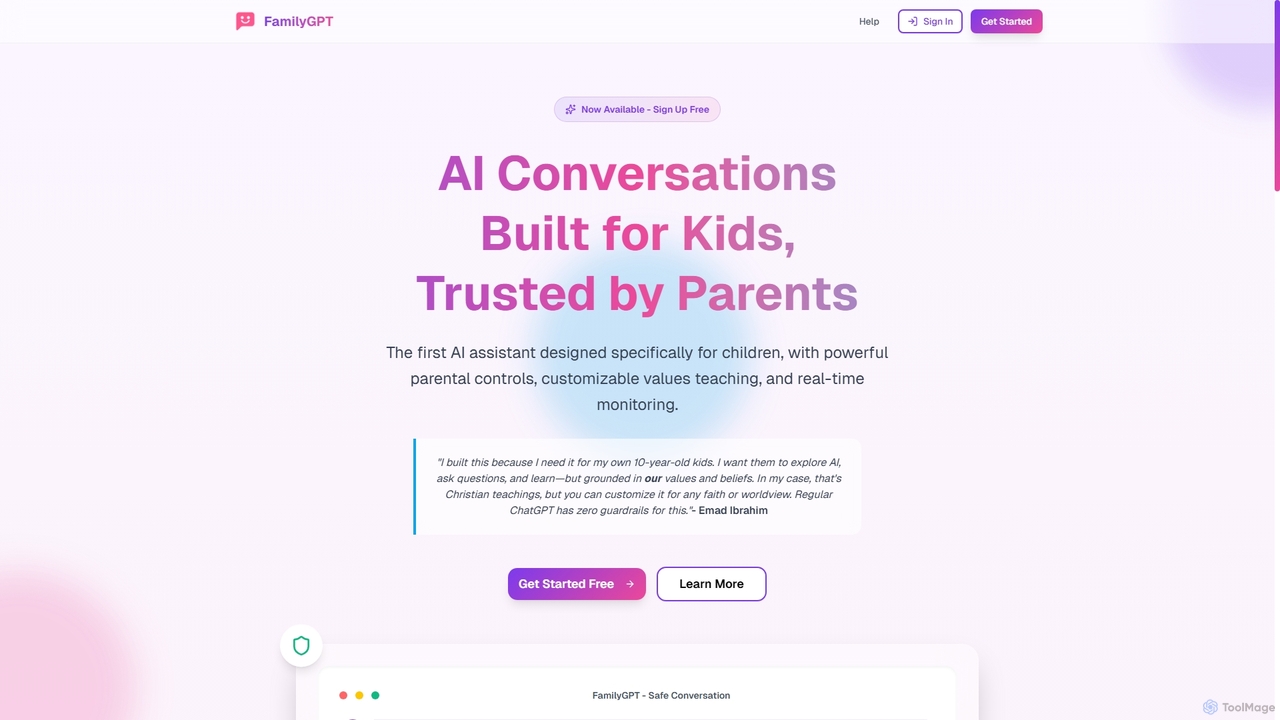
FamilyGPT is a safe AI chat assistant designed for children, featuring robust parental controls, customizable values teaching, and …
FamilyGPT is a safe AI chat assistant designed for children, featuring robust parental controls, customizable values teaching, and real-time activity monitoring. It allows kids to explore AI technology in a secure, age-appropriate environment aligned with family beliefs.
Momly
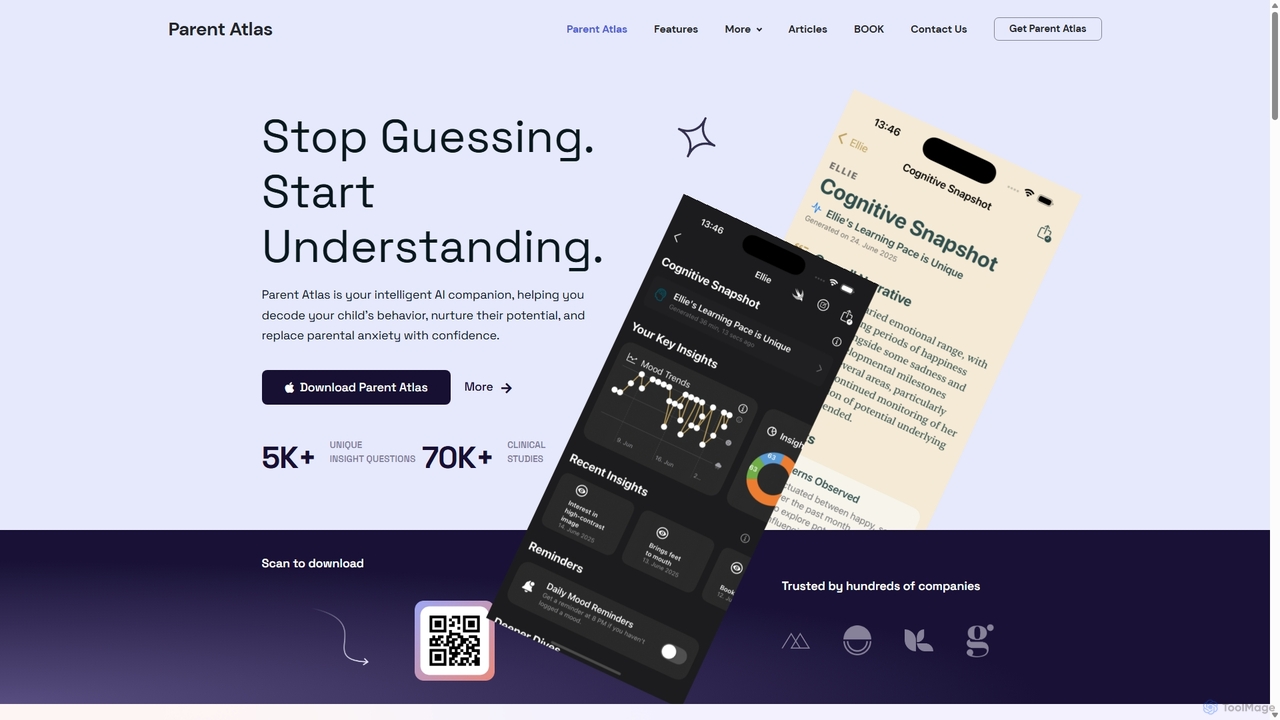
momly is an intelligent AI companion for parents, designed to decode a child's behavior and nurture their potential. …
momly is an intelligent AI companion for parents, designed to decode a child's behavior and nurture their potential. Based on neuroscience, it provides personalized insights and creates a 'Cognitive Snapshot' to replace parental anxiety with confidence and understanding.
About Child Development
AI Child Development tools are a specialized category of educational software that leverages artificial intelligence to support the cognitive, social, and emotional growth of young children. These tools utilize adaptive learning algorithms, speech recognition, and interactive content to create personalized learning journeys. They provide parents and educators with data-driven insights into a child's progress, helping to identify learning patterns and developmental milestones. This focused approach distinguishes them from general educational tools by targeting foundational skills crucial for early development.
Core Features
- Adaptive Learning Paths: Automatically adjusts the difficulty of activities based on the child's performance and learning pace.
- Milestone Tracking: Monitors and reports on key developmental areas such as language, motor skills, and problem-solving.
- Interactive Gamification: Uses games, stories, and rewards to make learning engaging and motivate children.
- Speech & Language Analysis: Provides real-time feedback on pronunciation, vocabulary, and sentence structure.
- Parent & Educator Dashboards: Offers detailed progress reports and actionable insights for caregivers.
Applicable Scenarios
These tools are widely used by parents at home to supplement early learning, by preschools and kindergartens to offer personalized instruction, and by pediatric therapists (e.g., speech or occupational therapists) to create engaging, repeatable practice exercises for children.
Selection Criteria
When choosing a tool, consider the age-appropriateness of the content and interface. Evaluate the specific developmental domains it targets (e.g., literacy, numeracy, emotional intelligence), review its data privacy policies, and assess the quality of the feedback system for both the child and the caregiver.

Child DevelopmentUse Cases
Personalized Early Literacy Program
Parents of preschoolers can use an AI-powered app to build foundational reading skills. The child interacts with games that teach phonics, letter recognition, and sight words. The AI algorithm continuously assesses the child's responses, identifying areas of strength and weakness. If a child struggles with a specific sound, the app introduces more activities focused on that phoneme. This adaptive approach ensures the learning pace is perfectly matched to the child, preventing frustration and building confidence, turning screen time into a productive learning session.
Engaging Speech Therapy Practice at Home
A speech therapist can assign an AI-powered game to a child working on articulation. The child practices saying specific words or sounds into the device's microphone. The AI provides instant visual and auditory feedback, showing the child if their pronunciation was correct or offering gentle corrections. This gamified approach makes repetitive practice more enjoyable than traditional drills. The therapist can review the session data remotely through a dashboard, tracking progress over time and adjusting the child's therapy plan without needing to be physically present for every practice session.
Developing Social-Emotional Skills through Stories
Educators in a kindergarten setting can use an AI tool that presents interactive stories focused on social-emotional learning (SEL). Children make choices for the story's characters when faced with common social dilemmas like sharing or resolving conflicts. The AI-driven narrative branches based on their decisions, showing the potential consequences of different actions in a safe, virtual space. This helps children develop empathy, perspective-taking, and problem-solving skills. The teacher receives a report summarizing the class's common choices, highlighting areas where further group discussion on social skills might be beneficial.
Tracking Motor Skill Development Milestones
An early childhood center uses a platform where educators can record observations of children's physical activities, such as building with blocks or drawing. They can upload photos or short videos. The AI helps categorize these observations against standard developmental milestone charts for fine and gross motor skills. The system can flag a child who is consistently behind their peers in certain areas, providing educators with objective data to share with parents during conferences and suggesting targeted activities to support the child's development in that specific area.
AI-Assisted Bilingual Language Learning
A family raising a bilingual child uses an AI tutor app. The app introduces new vocabulary in two languages through interactive songs, stories, and matching games. The AI's speech recognition technology listens to the child's attempts to pronounce words in the new language and provides gentle, encouraging feedback. It adapts the curriculum based on which words the child has mastered and which require more practice, ensuring a balanced development in both languages. This provides consistent language exposure that complements real-life conversation with family members.
Introducing Early STEM Concepts with Puzzles
A parent or teacher uses an AI-driven app to introduce foundational STEM concepts like logic, sequencing, and basic coding to a 5-year-old. The child solves interactive puzzles, such as guiding a character through a maze by arranging command blocks. The AI provides real-time hints if the child gets stuck and gradually increases the complexity of the puzzles as the child's skills improve. This playful introduction to computational thinking builds critical problem-solving abilities long before formal schooling begins, setting a strong foundation for future learning in science and technology.