AI Content Creation tools for education are specialized applications that leverage artificial intelligence to help educators generate, structure, and enhance learning materials. These tools utilize natural language processing and generative models to transform raw information or simple prompts into comprehensive educational content. They streamline the process of developing course outlines, quizzes, presentations, and video scripts, allowing educators to focus more on teaching and student interaction. The primary value lies in accelerating content development while maintaining pedagogical quality and engagement.
Core Features
- Course Outline Generation: Automatically creates structured syllabi and lesson plans from a topic or learning objective.
- Assessment Creation: Generates various question types, such as multiple-choice, true/false, and open-ended questions, based on provided source material.
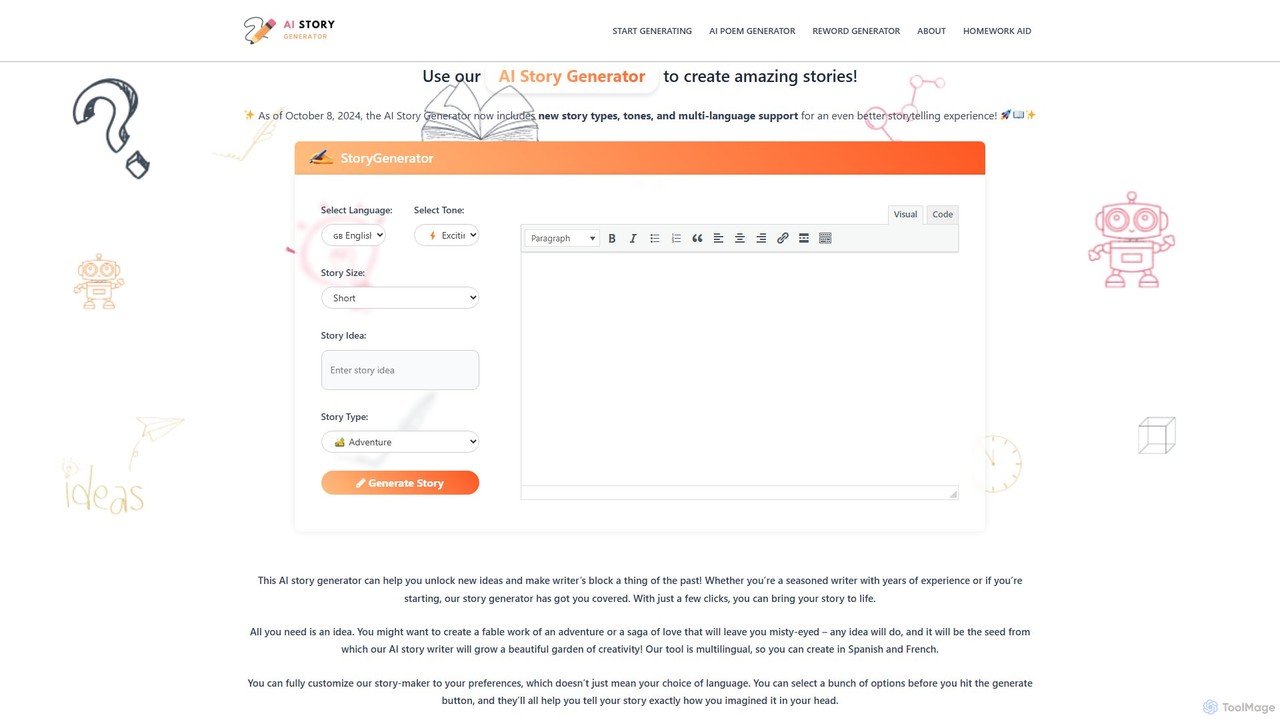
- Instructional Text Generation: Drafts clear explanations, summaries, and case studies for textbooks, handouts, or online modules.
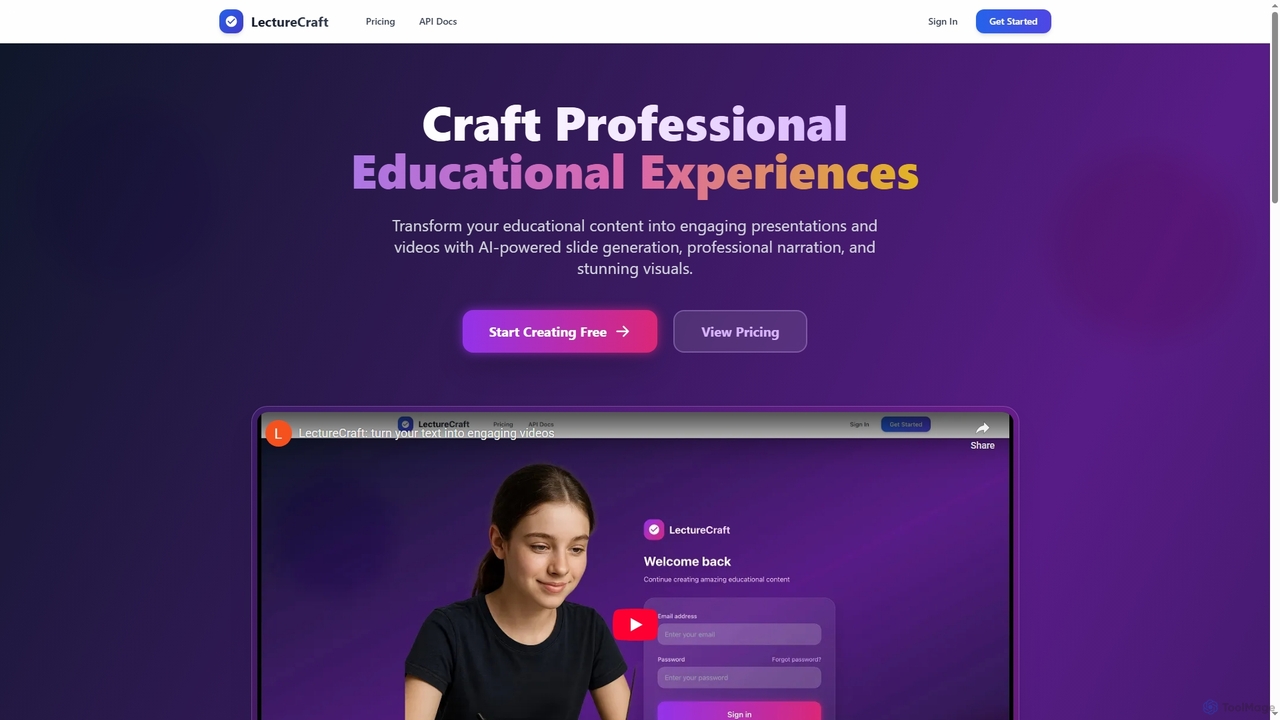
- Presentation & Media Scripting: Produces content for presentation slides and scripts for educational videos or podcasts.
- Content Adaptation: Modifies existing content for different reading levels or translates it for multilingual classrooms.
Applicable Scenarios
These tools are widely used by K-12 teachers, university professors, corporate trainers, and instructional designers. Common applications include rapidly developing a new curriculum, creating supplementary materials for existing courses, designing personalized learning paths for students with different needs, and producing training materials for employee onboarding.
Selection Criteria
When choosing a tool, consider its specialization in your subject area (e.g., STEM, humanities), its ability to integrate with your Learning Management System (LMS), the variety of content formats it can export (e.g., SCORM, PDF, PPTX), and the user interface's simplicity for educators who may not be tech experts.