
Free
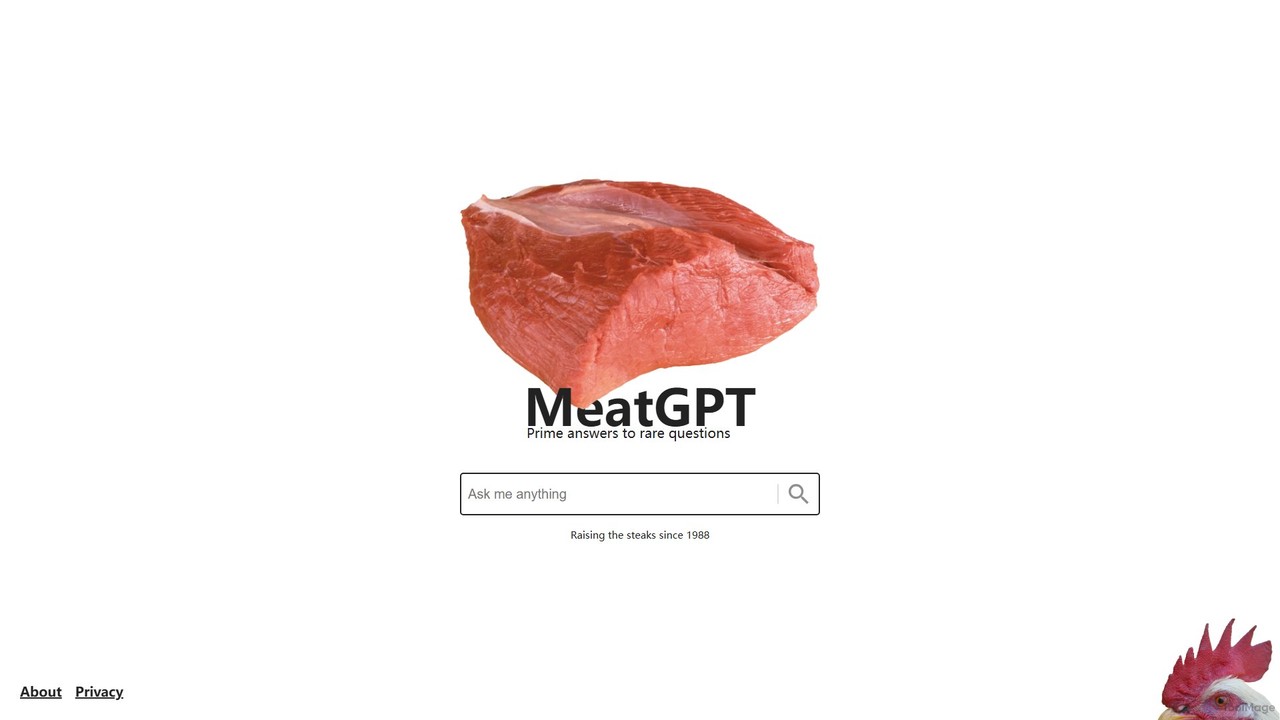
Popular Cooking AI tools in Education include MeatGPT, helping you work more efficiently.
AI Cooking tools are intelligent applications designed to assist and enhance culinary learning and practice, falling under the broader category of AI in Education. Leveraging AI algorithms, these tools offer personalized recipe generation, step-by-step cooking guidance, and nutritional insights. They empower users to explore new cuisines, master cooking techniques, and manage their meal planning more efficiently, making the culinary journey more accessible and enjoyable for home cooks and aspiring chefs alike.
AI Cooking tools are invaluable for home cooks seeking culinary inspiration, students learning new cooking methods, and individuals managing specific dietary needs. They streamline meal preparation, offer educational support, and help maintain healthy eating habits by providing tailored guidance and automated planning.
When selecting an AI Cooking tool, consider its recipe database size and diversity, the depth of its personalization features, and the clarity of its cooking instructions. Evaluate its nutritional tracking capabilities, ease of use, and whether it integrates with other smart kitchen devices or health apps to best suit your culinary and dietary goals.
Individuals with specific dietary restrictions, such as gluten-free, vegan, or allergy-sensitive, can use AI Cooking tools to generate weekly meal plans. By inputting their requirements, the AI creates diverse, compliant recipes, ensuring nutritional balance and preventing cross-contamination, saving hours of manual planning and ingredient checking.
Aspiring chefs or home cooks looking to expand their culinary repertoire can leverage AI Cooking tools to learn new cuisines, such as authentic Thai or intricate French pastry. The tools provide detailed, interactive step-by-step instructions, often with video demonstrations and tips on specific techniques, making complex dishes approachable and fostering skill development.
Home cooks often find themselves with leftover ingredients or a limited pantry. AI Cooking tools can help by suggesting recipes based on the exact ingredients a user has on hand. This not only minimizes food waste but also encourages creativity in the kitchen, transforming seemingly random items into delicious, coherent meals without extra grocery trips.
A common challenge for home cooks is adjusting recipes to feed more or fewer people than originally intended. AI Cooking tools can instantly scale recipe quantities for ingredients and often adjust cooking times. This ensures consistent results whether cooking for a single person, a small family, or a large gathering, eliminating guesswork and potential errors.
Individuals focused on health and fitness goals, such as weight management or muscle gain, can utilize AI Cooking tools for precise nutritional tracking. These tools analyze the caloric and macronutrient content of generated or user-inputted recipes, helping users stay within their dietary targets and make informed choices to support their wellness journey.
Novice cooks often struggle with complex instructions or timing. AI Cooking tools can act as a virtual sous chef, offering real-time, voice-guided instructions, troubleshooting tips for common mistakes, and visual cues. This interactive assistance builds confidence, reduces stress, and helps beginners successfully prepare dishes they might otherwise find daunting.
AI Cooking tools are intelligent applications that use artificial intelligence to assist users in various culinary tasks. They typically feature personalized recipe generation, step-by-step cooking guidance, and nutritional analysis. Common use cases include meal planning, learning new cooking techniques, and adapting recipes to dietary needs, making cooking more accessible and efficient for everyone.
AI Cooking tools personalize recipes by analyzing user input such as dietary preferences (e.g., vegan, keto), allergies, available ingredients, desired cuisine, and even skill level. Using machine learning algorithms, they can generate new recipes or modify existing ones to match these specific criteria, learning from user feedback to refine future suggestions and provide a truly tailored culinary experience.
Traditional recipe apps primarily offer static databases of recipes that users must manually search and adapt. In contrast, AI Cooking tools provide dynamic, intelligent assistance. They can generate unique recipes on demand, offer real-time interactive guidance, adapt recipes based on user input (like ingredient substitutions or serving size adjustments), and provide nutritional analysis, creating a far more personalized and adaptive cooking experience.
Absolutely. AI Cooking tools are highly effective in accommodating specific dietary restrictions. Users can input their allergies, intolerances, or dietary choices (e.g., vegetarian, low-carb, dairy-free), and the AI will filter, generate, or modify recipes to strictly adhere to these guidelines. Many tools also provide detailed nutritional breakdowns, helping users manage their health goals safely and efficiently.
A wide range of users can benefit from AI Cooking tools. Home cooks seeking inspiration or efficiency, culinary students learning new techniques, individuals managing specific dietary needs, and busy professionals looking for streamlined meal planning will find these tools invaluable. Anyone aiming to enhance their cooking skills, reduce food waste, or maintain a healthier diet can leverage AI for a more intelligent and enjoyable culinary experience.