ToolMage
Sign in

Best 1 Counseling AI tools for Education

Popular Counseling AI tools in Education include Kollegio, helping you work more efficiently.

Kollegio
Free

Kollegio

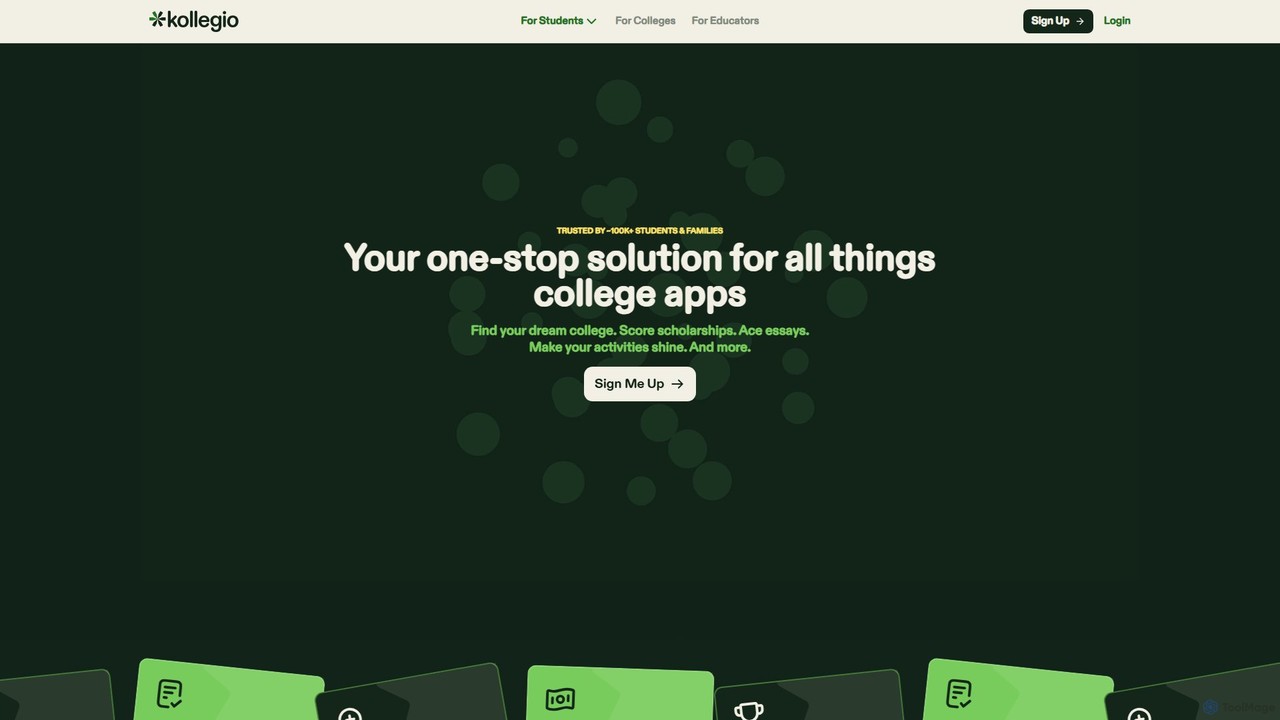
Kollegio is a free AI-powered college counselor designed to guide students through the entire application process. It offers personalized college recommendations, a scholarship finder, 24/7 essay support, and feedback on extracurricular activities, making expert college guidance accessible to all.

Counseling
Visits 118.7KFavorites 121Likes 110

About Counseling

AI Counseling tools are applications that use artificial intelligence to provide personalized guidance, emotional support, and wellness resources. Leveraging natural language processing (NLP), these tools engage in empathetic conversations to understand user concerns and offer relevant advice or coping strategies. They serve as accessible, on-demand platforms for users seeking support in areas like mental health, career development, or academic planning. This provides a private and non-judgmental space for initial self-exploration, complementing traditional counseling services.

Core Features

  • Conversational Interface: Engages users in empathetic, human-like dialogue to discuss feelings and problems.
  • Personalized Guidance: Offers tailored advice, resources, and action plans based on individual user input and goals.
  • Mood & Emotion Tracking: Allows users to log, monitor, and analyze their emotional patterns over time to build self-awareness.
  • Skill-Building Modules: Provides structured exercises and content based on established methods like Cognitive Behavioral Therapy (CBT).
  • Resource Hub: Curates a library of articles, guided meditations, and coping techniques for on-demand support.

Use Cases

These tools are widely used by individuals seeking immediate mental wellness support, students requiring academic or career path guidance, and professionals looking for coaching on stress management or career transitions. Educational institutions and corporations also deploy them to offer scalable wellness resources to their members.

How to Choose

When selecting an AI Counseling tool, consider its area of specialization (e.g., mental health, career coaching). Evaluate the scientific basis of its methods, such as adherence to CBT principles. Prioritize tools with strong data privacy and security policies. Finally, assess whether its features, like journaling or goal tracking, align with your personal needs.

Counseling use cases

1

Daily Mental Wellness Check-in

A professional feeling overwhelmed by work stress uses an AI counseling app for a 10-minute daily check-in. The AI chatbot guides them through identifying stressors with targeted questions, validates their feelings, and suggests a short, guided breathing exercise. This provides immediate, accessible support to manage daily anxiety and prevent burnout without the need to schedule a formal appointment, fitting easily into a busy schedule.

2

Career Path Exploration for Students

A college student uncertain about their major interacts with an AI career counselor. They input their interests, skills, and academic performance. The AI analyzes this data to suggest potential career paths, provides detailed information on required coursework and job outlooks, and even simulates 'day-in-the-life' scenarios for different professions. This helps the student make a more informed and confident decision about their future.

3

Practicing Stress Management Techniques

An employee in a high-pressure role uses an AI tool to learn and practice Cognitive Behavioral Therapy (CBT) techniques. The tool provides interactive modules that guide them through identifying negative thought patterns and reframing them into more constructive ones. It offers exercises, tracks their progress, and provides personalized feedback, helping them build resilience and develop effective coping mechanisms for workplace stress over time.

4

Academic Planning and Course Selection

A high school student uses an AI academic advisor to plan their course schedule for college applications. The tool analyzes their academic goals, university requirements, and personal interests to recommend optimal course selections. It also helps create a timeline for application deadlines and suggests relevant extracurricular activities, streamlining a complex and often stressful process into a manageable action plan.

5

On-Demand Support for Social Anxiety

An individual preparing for a social event feels a surge of anxiety. They use an AI counseling tool to engage in role-playing conversations and receive real-time feedback on communication strategies. The tool also offers calming techniques and positive affirmations just before the event, acting as a discreet 'coach in their pocket' to build confidence and manage anxiety in the moment.

6

Improving Relationship Communication Skills

A user wants to improve communication with their partner. An AI counseling tool provides structured modules on active listening, conflict resolution, and expressing needs effectively. Through interactive scenarios and exercises, the user can practice these skills in a safe, non-judgmental environment and receive guidance on applying them to real-life situations, fostering healthier and more constructive relationship dynamics.

Counseling FAQ

What are AI Counseling tools?

AI Counseling tools are software applications that use artificial intelligence, particularly natural language processing (NLP), to provide guidance and emotional support. They function as interactive chatbots or platforms that simulate empathetic conversations, help users explore their thoughts and feelings, and offer resources or exercises based on psychological principles. They are designed to be an accessible, private, and on-demand first line of support for mental wellness, career guidance, or academic planning.

How to choose the right AI Counseling tool?

To choose the right tool, consider these key factors:

  • Area of Focus: Ensure the tool specializes in your specific need, whether it's mental health support (like managing anxiety), career coaching, or academic advising.
  • Methodology: Look for tools based on evidence-based approaches, such as Cognitive Behavioral Therapy (CBT), for greater credibility.
  • Data Privacy: Carefully review the privacy policy to understand how your sensitive data is collected, stored, and used.
  • User Experience: Try a free version if available. The interface should be intuitive and the conversation style should feel comfortable and helpful to you.
What is the difference between AI Counseling and traditional therapy?

The main difference is the provider. AI Counseling uses algorithms for automated, 24/7 support, making it highly accessible and affordable. It excels at providing immediate help, skill-building exercises, and data tracking. Traditional therapy involves a licensed human professional who offers deep, nuanced understanding, diagnosis, and complex treatment plans that an AI cannot. AI tools are best viewed as a supplement or an accessible entry point to mental wellness, not a replacement for human therapists in clinical situations.

Are AI Counseling tools effective?

The effectiveness of AI Counseling tools can vary. For many users, they are highly effective for managing daily stress, tracking moods, learning new coping skills (like CBT techniques), and exploring career or academic options. Studies have shown positive outcomes for mild to moderate symptoms of anxiety and depression. However, their effectiveness is limited for complex mental health conditions or crisis situations, where professional human intervention is necessary. Their primary strength lies in accessibility and providing consistent, structured support.

Who are AI Counseling tools best suited for?

AI Counseling tools are best suited for individuals seeking accessible, private, and immediate support for non-clinical issues. This includes:

  • Students needing academic or career guidance.
  • Professionals looking to manage work-related stress and build resilience.
  • Anyone interested in self-exploration, mood tracking, and learning basic mental wellness skills.
  • People who may be hesitant to start traditional therapy or need support between sessions.

They are generally not recommended as a sole solution for severe mental health conditions, which require diagnosis and treatment from a licensed professional.