ToolMage
Sign in

Best 2 Curriculum Development AI tools for Education

Popular Curriculum Development AI tools in Education include Teachally and Scaletchi, helping you work more efficiently.

Scaletchi
Freemium

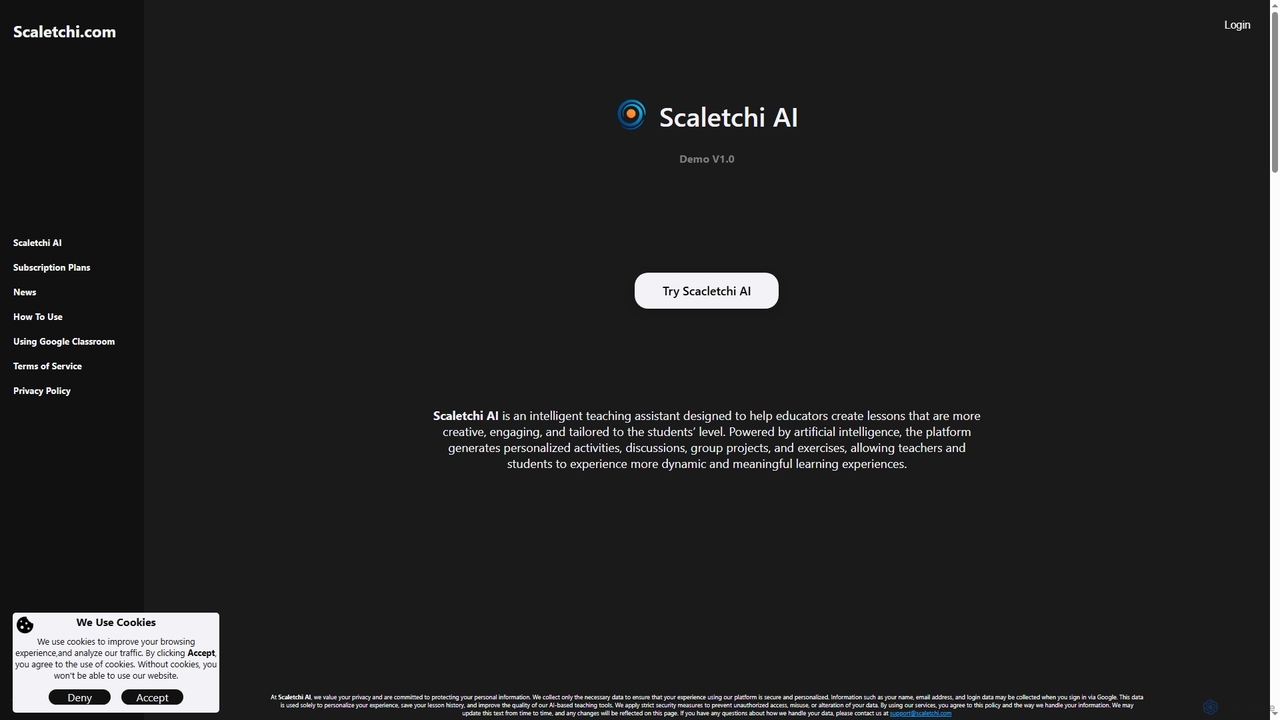
Scaletchi

Scaletchi is an intelligent AI teaching assistant designed for educators to create highly creative, engaging, and student-level-tailored lessons. It generates personalized activities, discussions, group projects, and exercises, fostering dynamic and meaningful learning experiences for K12 and university students.

Content Generation
Visits 4.3KFavorites 102Likes 105
Teachally
Freemium

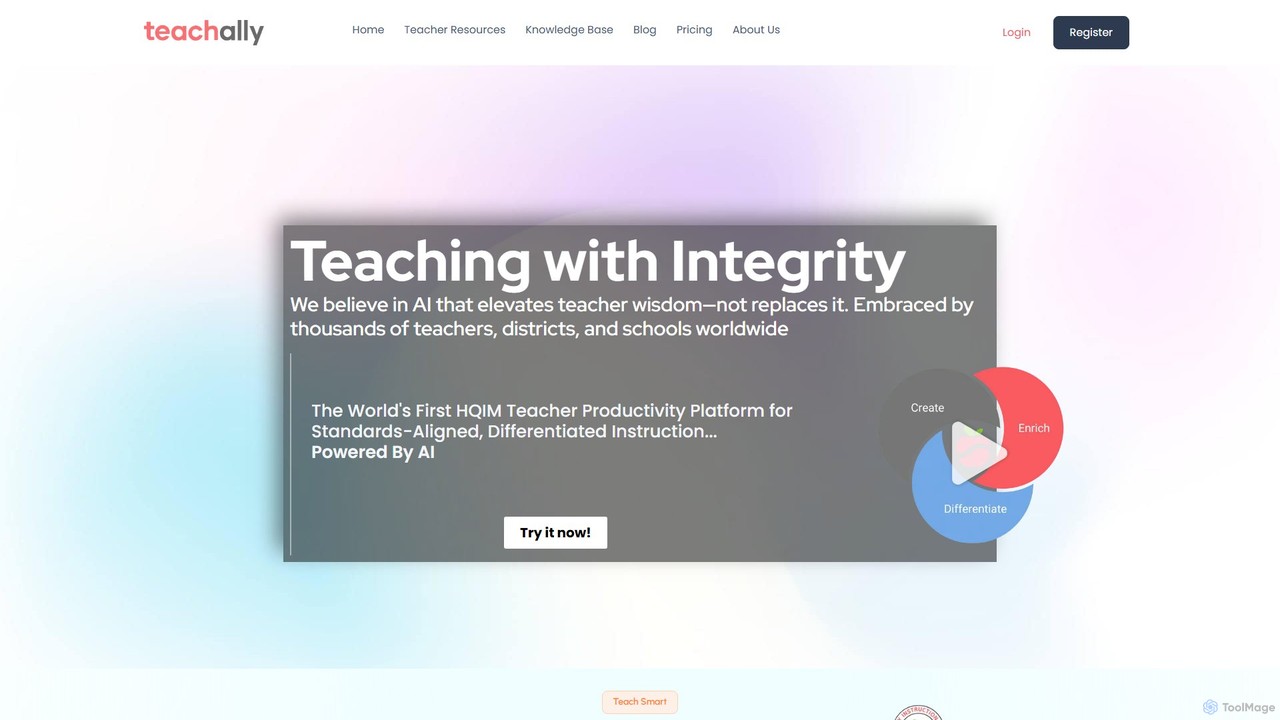
Teachally

Teachally is an AI-powered productivity platform for educators, designed to generate high-quality, standards-aligned lesson plans, assessments, and teaching materials. It streamlines the planning process with a no-prompt interface, offering tools for differentiation, enrichment, and multilingual support to help teachers save time and enhance instruction for all students.

Curriculum Development
Visits 5.6KFavorites 102Likes 123

About Curriculum Development

Curriculum Development tools are AI-powered platforms designed to assist educators, instructional designers, and training professionals in creating, structuring, and refining educational content. These tools leverage artificial intelligence to automate content generation, personalize learning paths, and ensure alignment with educational standards. They significantly enhance the efficiency and quality of course design, enabling more engaging and effective learning experiences for diverse audiences.

Core Features

  • Content Generation: Automatically drafts lesson plans, course modules, quizzes, and learning materials based on specified topics and learning objectives.
  • Learning Path Optimization: Analyzes learner data and content to suggest personalized learning sequences and adaptive pathways.
  • Assessment Creation: Generates various types of assessments, including multiple-choice questions, essays, and interactive exercises, often with automated grading capabilities.
  • Standards Alignment: Maps curriculum content to national, regional, or institutional educational standards, ensuring compliance and comprehensive coverage.
  • Resource Curation: Identifies and integrates relevant external resources, such as articles, videos, and simulations, to enrich learning materials.

Use Cases

These tools are invaluable for K-12 educators designing new units, corporate trainers developing employee onboarding programs, and higher education institutions creating blended learning courses. They streamline the process of updating existing curricula, ensuring content remains current and engaging for students and trainees across various educational settings.

How to Choose

When selecting an AI curriculum development tool, consider its AI capabilities for content generation and personalization, the types of educational content it supports (e.g., text, multimedia, interactive), and its integration with existing learning management systems (LMS). Evaluate its compliance features for educational standards and data privacy, along with the level of customization offered for different pedagogical approaches and institutional needs.

Featured tool rankings

Curriculum Development use cases

1

Generate Personalized Learning Paths for Students

An instructional designer uses an AI curriculum development tool to create adaptive learning paths for a diverse student cohort. By inputting student performance data and learning styles, the tool automatically suggests a sequence of modules, resources, and assessments tailored to each student's pace and needs, potentially improving learning outcomes by up to 30% compared to a one-size-fits-all approach.

2

Rapid Course Material Generation for Corporate Training

A corporate trainer needs to quickly develop a new compliance training module for 500 employees. Using an AI curriculum development tool, they input the compliance regulations and desired learning outcomes. The AI generates a draft course outline, key content points, and a set of quiz questions within hours, reducing the typical development time from weeks to days and ensuring timely dissemination of critical information.

3

Automated Quiz and Assessment Creation

A university professor needs to create weekly quizzes for a large introductory course. Instead of manually writing questions, they use an AI curriculum tool to generate diverse question types (multiple-choice, short answer, true/false) based on the lecture content. This saves approximately 5 hours per week, allowing the professor to focus more on student interaction and feedback, while ensuring comprehensive assessment coverage.

4

Aligning Curriculum with National Educational Standards

A school district curriculum coordinator is tasked with ensuring all K-8 science curricula comply with new national science standards. Using an AI tool, they upload existing lesson plans. The AI analyzes the content, identifies gaps, and suggests modifications or additional resources needed to achieve full alignment, reducing the manual review time by 70% and ensuring educational quality across the district.

5

Developing Adaptive Learning Modules for Online Courses

An online course provider aims to create highly engaging and effective adaptive learning modules. They use an AI curriculum development tool to design modules that dynamically adjust content difficulty and presentation based on real-time learner interactions and performance. This leads to a 25% increase in course completion rates and improved learner satisfaction due to tailored educational experiences.

6

Creating Engaging Interactive Content for Blended Learning

A higher education institution is transitioning to a blended learning model and needs to convert traditional lecture materials into interactive digital content. An AI curriculum tool helps them transform static text into dynamic simulations, interactive exercises, and multimedia presentations, significantly boosting student engagement and retention in complex subjects like engineering and medicine, making learning more accessible and effective.

Curriculum Development FAQ

What are AI Curriculum Development tools?

AI Curriculum Development tools are software applications that use artificial intelligence to automate and enhance various stages of educational content creation. They typically feature capabilities like generating lesson plans, designing assessments, personalizing learning paths, and ensuring alignment with educational standards. These tools aim to streamline the curriculum design process for educators and trainers.

How do AI tools enhance curriculum development?

AI tools significantly enhance curriculum development by automating repetitive tasks, allowing educators to focus on pedagogical strategy. They can generate content drafts, suggest relevant resources, and create diverse assessment items much faster than manual methods. Furthermore, AI enables personalization of learning experiences, adapts content to individual student needs, and ensures curriculum alignment with specific educational standards, leading to more effective and engaging learning outcomes.

What should I consider when choosing an AI curriculum development tool?

When selecting an AI curriculum development tool, prioritize its core AI capabilities, such as the quality of content generation and the sophistication of its personalization engine. Evaluate its compatibility with your existing learning management systems (LMS) and other educational technologies. Consider the range of content types it supports (e.g., text, video, interactive simulations), its adherence to educational standards, and data privacy features. Finally, assess the level of customization available to align with your specific pedagogical approaches and institutional requirements.

Can AI curriculum development tools personalize learning experiences?

Yes, personalization is one of the key strengths of AI curriculum development tools. They can analyze individual learner data, such as performance, progress, and engagement patterns, to dynamically adjust content difficulty, recommend specific resources, and suggest tailored learning paths. This adaptive approach ensures that each student receives an educational experience optimized for their unique needs, leading to improved comprehension and retention.

How do AI curriculum development tools differ from traditional authoring tools?

Traditional authoring tools primarily provide a framework for manual content creation and organization, requiring human input for every detail. AI curriculum development tools, however, leverage artificial intelligence to automate significant portions of the process. They can generate content, suggest pedagogical improvements, personalize learning paths, and even create assessments autonomously. This fundamental difference lies in AI's ability to intelligently assist and automate, moving beyond mere structural support to active content generation and optimization.

Who benefits most from using AI curriculum development tools?

A wide range of professionals benefits from AI curriculum development tools. This includes K-12 educators and university professors seeking to streamline lesson planning and assessment creation, corporate trainers needing to rapidly develop and update training modules, and instructional designers aiming to create highly personalized and adaptive learning experiences. Essentially, anyone involved in designing, delivering, or managing educational content can leverage these tools to enhance efficiency, quality, and learner engagement.