ToolMage
Sign in

Best 4 E Learning Platform for Education

Popular E Learning Platform in Education include Fermion, BookAI.TOP, Augmented Startups, and ailamo, helping you work more efficiently.

Augmented Startups
Freemium

Augmented Startups

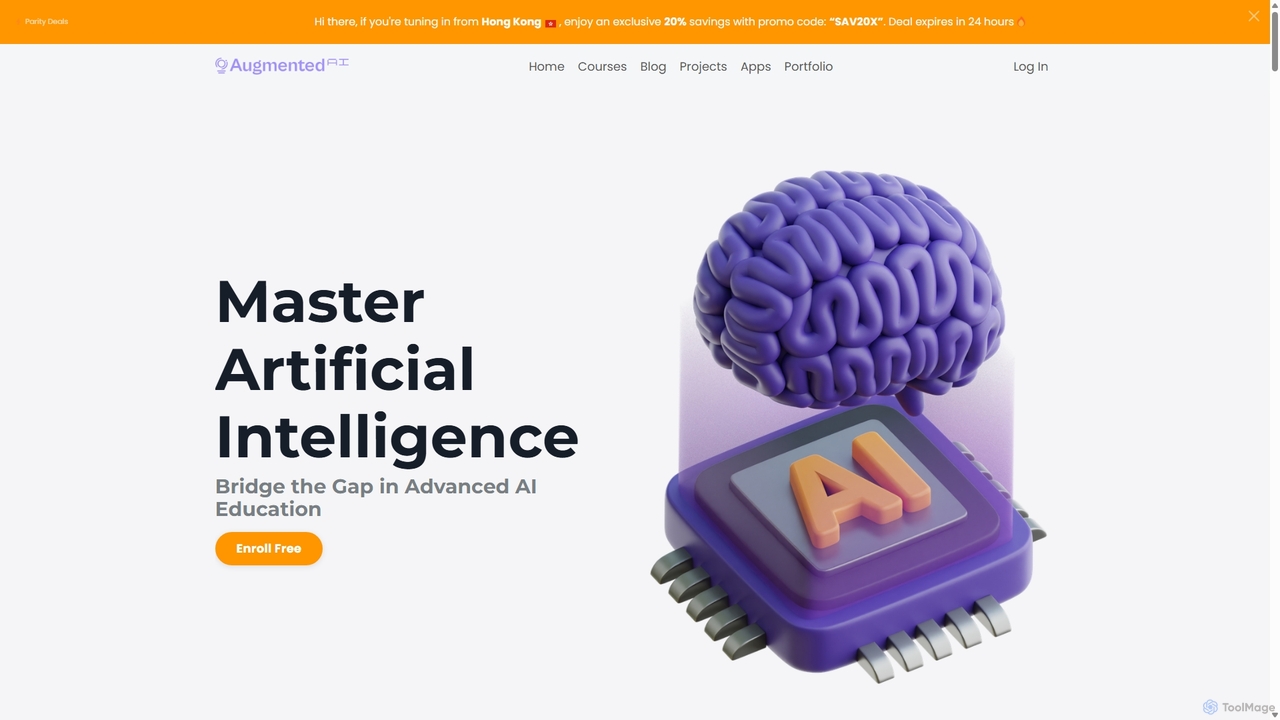
Augmented Startups is an online AI university offering practical, project-based courses for all skill levels. It specializes in advanced topics like Computer Vision, Large Language Models (LLMs), Robotics, and Autonomous Vehicles. The platform provides comprehensive learning paths with code, datasets, and expert support to help students and professionals build real-world AI applications and bridge the gap between theory and practical implementation.

Code Libraries
Visits 22.6KFavorites 97Likes 118
Fermion
Freemium

Fermion

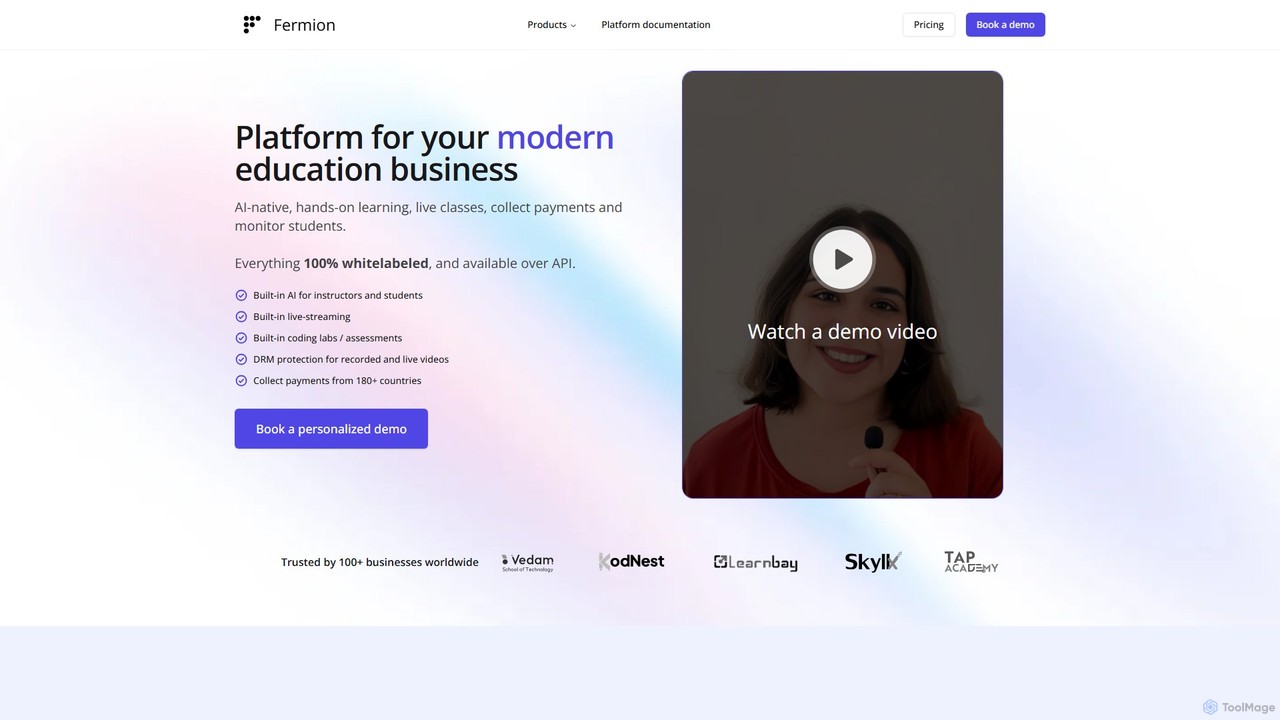
Fermion is an all-in-one, AI-native platform designed for building and scaling online education businesses, especially coding bootcamps. It integrates live classes, in-browser coding labs, global payment processing, and DRM protection into a single, fully whitelabeled solution available via API.

Coding Education
Visits 55.4KFavorites 85Likes 98
BookAI.TOP
Freemium

BookAI.TOP

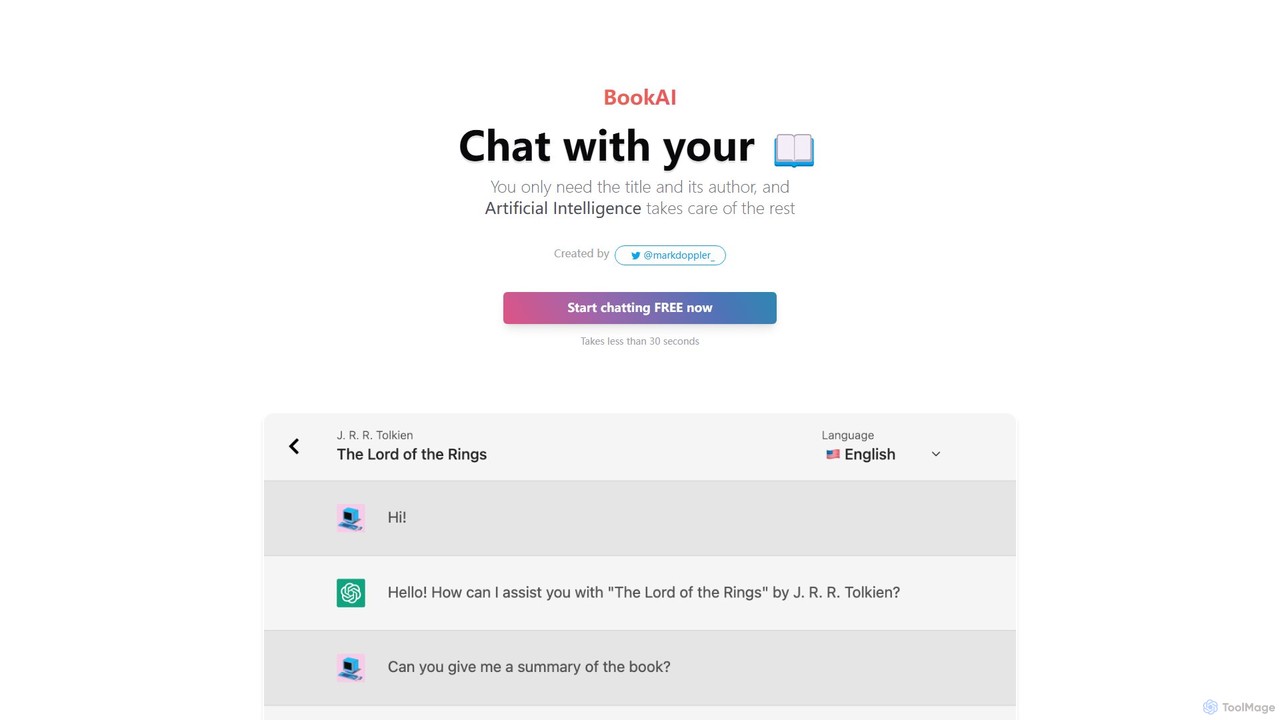
BookAI.TOP is a leading Chinese-language educational platform dedicated to AI technologies. It offers comprehensive tutorials, practical video courses, and community resources, with a strong focus on AI-assisted programming using the Cursor editor. It aims to make advanced AI tools accessible to developers and enthusiasts.

Programming
Visits 30.4KFavorites 108Likes 118
ailamo
Free

ailamo

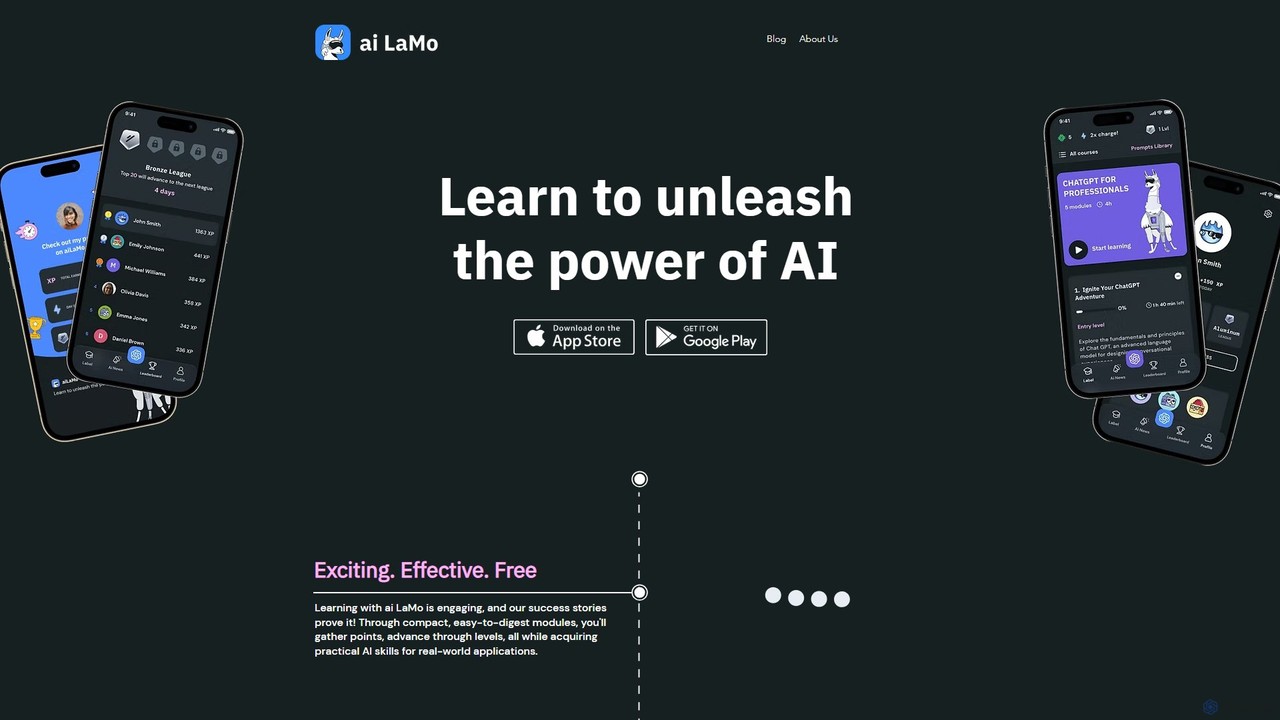
ailamo is a free, engaging AI learning platform designed to democratize AI education. Through gamified, bite-sized lessons, users can master practical AI skills, from basic understanding to advanced application and ethical considerations. The platform offers personalized learning paths curated by experts, making it easy for anyone to understand and harness the power of generative AI, regardless of their background. Learn at your own pace, anytime, anywhere, and stay motivated with interactive challenges and progress tracking.

E Learning Platform
Visits 4.9KFavorites 125Likes 131

About E Learning Platform

E Learning Platforms are AI-powered tools designed to revolutionize online education by providing personalized, adaptive, and engaging learning experiences. These platforms leverage artificial intelligence to analyze learner behavior, optimize content delivery, and automate administrative tasks, making education more accessible and effective. They cater to a wide range of users, from individual learners seeking skill development to large institutions offering comprehensive academic programs.

Core Features

  • Personalized Learning Paths: AI algorithms adapt course content and pace based on individual learner progress and preferences.
  • AI Tutors & Assistants: Provide instant support, answer questions, and offer tailored feedback to students.
  • Automated Assessment & Grading: Intelligently evaluate assignments, quizzes, and essays, saving educators significant time.
  • Content Curation & Generation: AI assists in finding relevant learning materials or even generating new content like summaries or practice questions.
  • Progress Tracking & Analytics: Offer detailed insights into learner performance, engagement, and areas needing improvement.

Use Cases

These platforms are widely adopted in corporate training for upskilling employees, by universities for delivering online degrees, and by individual educators creating interactive courses. They are also crucial for professional development programs and language learning applications, providing structured yet flexible educational environments.

How to Choose

When selecting an E Learning Platform, consider the depth of AI personalization features, the quality and breadth of available content, integration capabilities with existing systems (LMS, HRIS), scalability for your user base, and the robustness of analytics and reporting tools. User experience and support for various learning formats are also critical.

Featured tool rankings

E Learning Platform use cases

1

Personalized Corporate Training

Corporate L&D managers utilize AI E Learning Platforms to deliver tailored training modules to employees. By analyzing individual learning styles and job roles, the platform adapts content, recommends relevant courses, and tracks progress, ensuring employees gain specific skills efficiently and effectively, leading to improved performance and compliance.

2

Adaptive Academic Course Delivery

Universities and colleges deploy these platforms to offer dynamic online courses. AI analyzes student engagement and performance in real-time, adjusting the difficulty of assignments, suggesting supplementary materials, and providing targeted feedback, thereby enhancing student comprehension and reducing dropout rates in large online cohorts.

3

Automated Language Skill Development

Individual language learners use AI E Learning Platforms for highly personalized practice. The AI identifies weak areas in grammar or vocabulary, generates custom exercises, provides pronunciation feedback, and simulates conversational scenarios, accelerating language acquisition beyond traditional methods.

4

Efficient Professional Certification Programs

Organizations offering professional certifications leverage these platforms to streamline the learning and assessment process. AI-driven modules ensure consistent content delivery, automate grading of complex assignments, and provide learners with immediate feedback, making certification pathways more accessible and manageable for busy professionals.

5

Interactive Content Creation for Educators

Independent educators and content creators use AI E Learning Platforms to rapidly develop engaging course materials. AI tools can help generate quiz questions, summarize lengthy texts, create interactive simulations, or even suggest new lesson ideas, significantly reducing content development time and enhancing instructional design.

6

Skill Gap Analysis and Upskilling

Companies use E Learning Platforms with AI capabilities to identify skill gaps within their workforce. The platform assesses current employee skills, recommends specific learning paths to address deficiencies, and tracks the acquisition of new competencies, enabling targeted upskilling initiatives that align with business objectives.

E Learning Platform FAQ

What are AI E Learning Platforms?

AI E Learning Platforms are online educational systems that integrate artificial intelligence to personalize learning, automate tasks, and enhance engagement. They use AI to understand learner needs, adapt content, provide intelligent feedback, and streamline administrative processes, moving beyond traditional static online courses.

How do AI E Learning Platforms personalize learning?

These platforms personalize learning by using AI algorithms to analyze a student's performance, learning style, and preferences. Based on this data, the AI dynamically adjusts the curriculum, recommends specific resources, modifies the pace of instruction, and offers tailored exercises to optimize individual learning outcomes.

What are the key benefits of using an AI E Learning Platform?

Key benefits include highly personalized learning experiences, increased learner engagement through interactive AI features, automated assessment and feedback for educators, and data-driven insights into learning effectiveness. They can also significantly reduce administrative workload and make education more accessible and scalable.

How do AI E Learning Platforms differ from traditional Learning Management Systems (LMS)?

While both manage learning content, AI E Learning Platforms go beyond the organizational functions of a traditional LMS by actively using AI for adaptive learning, personalized recommendations, intelligent tutoring, and automated content generation. An LMS primarily serves as a repository and delivery system, whereas AI platforms are more dynamic and interactive.

Who can benefit most from using AI E Learning Platforms?

A wide range of users can benefit, including academic institutions seeking to scale personalized education, corporations aiming for efficient and targeted employee training, and individual learners looking for adaptive skill development. Educators and content creators also benefit from AI-assisted content generation and assessment tools.