ToolMage
Sign in

Best 3 Exam Preparation AI tools for Education

Popular Exam Preparation AI tools in Education include Cognito, AI Exam Analyzer, and Stoodius, helping you work more efficiently.

AI Exam Analyzer
Freemium

AI Exam Analyzer

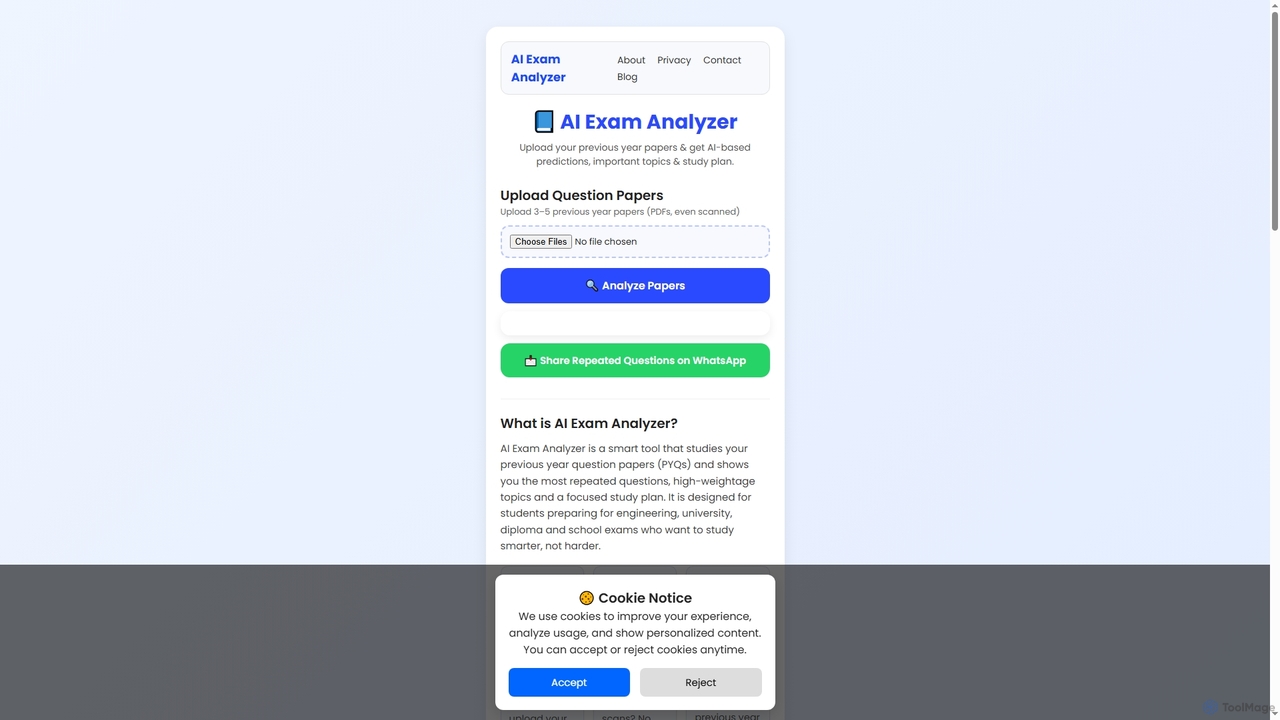
AI Exam Analyzer is a smart tool that uses artificial intelligence to analyze previous year question papers (PYQs). It identifies repeated questions, high-weightage topics, and generates personalized study plans to help students prepare smarter and achieve better exam results.

Exam Preparation
Visits 5.7KFavorites 131Likes 127
Stoodius
Freemium

Stoodius

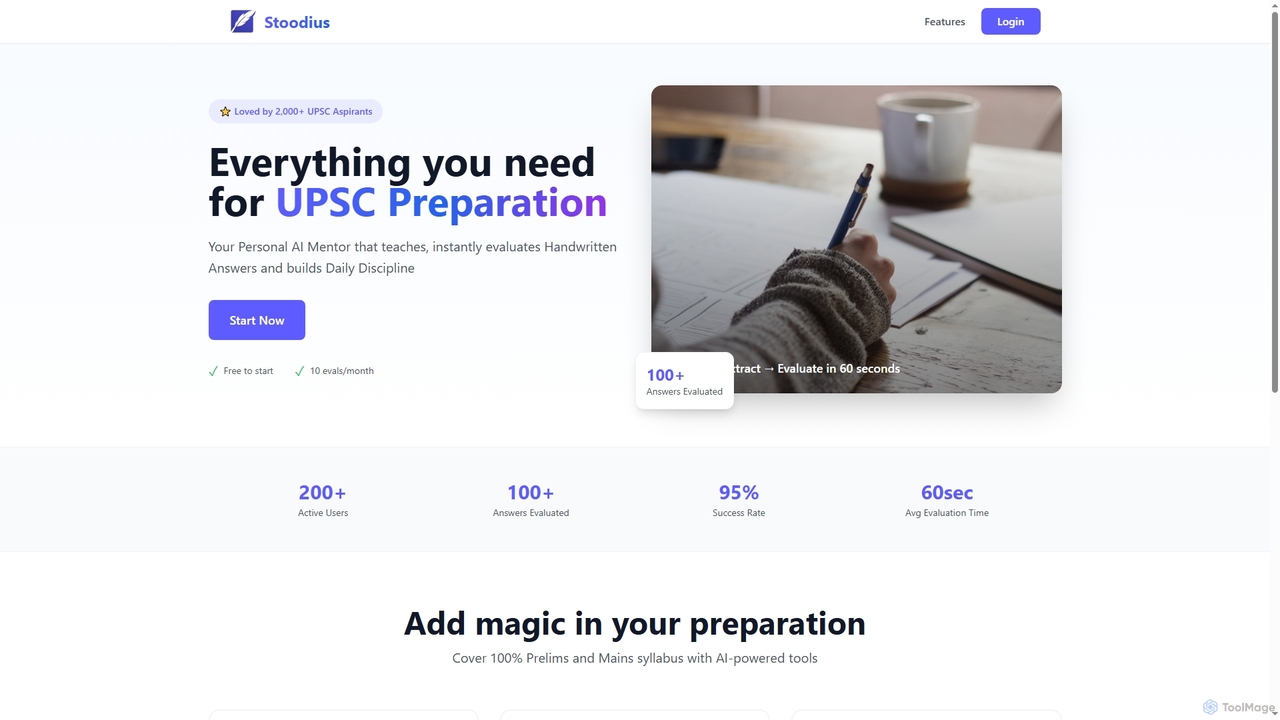
Stoodius is an AI-powered personal mentor designed for UPSC aspirants, offering instant evaluation of handwritten answers, extensive MCQ practice, and 24/7 doubt resolution. It helps students cover 100% of the Prelims and Mains syllabus, fostering daily discipline and providing detailed feedback to enhance preparation.

Learning Assistant
Visits 5.6KFavorites 164Likes 163
Cognito
Freemium

Cognito

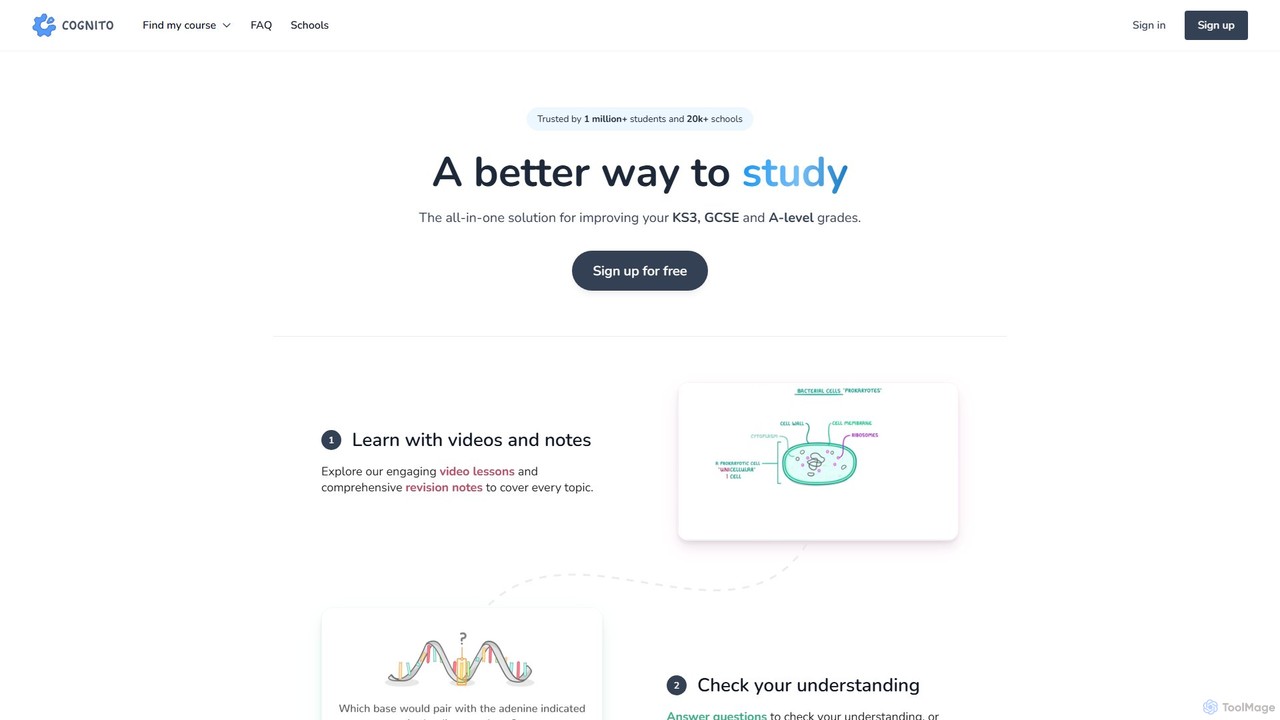
Cognito is an all-in-one educational platform designed for UK students, offering free revision resources for Maths & Science across KS3, GCSE, and A-Level. It provides engaging video lessons, interactive quizzes, customizable flashcards, and extensive past papers to help over a million students improve their grades and prepare for exams effectively.

Exam Preparation
Visits 2.4MFavorites 160Likes 179

About Exam Preparation

AI Exam Preparation tools are a specialized category of educational software that uses artificial intelligence to create personalized and efficient study experiences. They leverage algorithms to analyze a user's knowledge gaps, generate adaptive practice questions, and simulate real exam conditions. This helps students and professionals preparing for academic tests, professional certifications, or standardized entrance exams to focus their efforts on areas needing the most improvement. Unlike generic study aids, these tools provide data-driven feedback and predictive scoring to optimize learning outcomes.

Core Features

  • Personalized Study Plans: Creates optimized schedules based on your learning pace and the exam date.
  • Adaptive Question Banks: Adjusts question difficulty in real-time to target your specific knowledge gaps.
  • Performance Analytics: Provides detailed reports on your strengths and weaknesses by topic.
  • Realistic Exam Simulators: Mimics the format, timing, and pressure of the actual test environment.
  • Automated Content Generation: Instantly creates flashcards, summaries, and quizzes from your study materials.

Use Cases

These tools are widely used by students preparing for university entrance exams (e.g., SAT, ACT, A-Levels), professionals seeking industry certifications (e.g., PMP, AWS, CFA), and individuals taking language proficiency tests (e.g., TOEFL, IELTS). They are valuable in any scenario where passing a structured exam is the primary goal.

How to Choose

When selecting an AI Exam Preparation tool, consider the specific exams it supports, the depth and quality of its question bank, and the sophistication of its performance analytics. Also, evaluate its user interface and whether it offers supplementary features like automated essay scoring or integrated video lessons that match your learning style.

Exam Preparation use cases

1

Personalized Study Plan for a Certification Exam

An IT professional preparing for the AWS Solutions Architect certification uses an AI tool to create an efficient study roadmap. After taking an initial diagnostic test, the AI analyzes their performance, identifies weak areas like networking and security, and generates a daily study schedule. This plan includes specific topics, adaptive quizzes, and reading materials tailored to their needs. The result is a structured, focused preparation process that maximizes study time and significantly increases the likelihood of passing on the first attempt.

2

Mastering University Entrance Exam Vocabulary

A high school student preparing for the verbal section of the SAT uses an AI tool to build their vocabulary. The tool generates interactive flashcards with definitions, example sentences, and mnemonic aids. It employs a spaced repetition system, reintroducing difficult words at optimal intervals for long-term retention. The student can track their progress and focus on words they struggle with, leading to a more robust vocabulary and higher confidence on exam day.

3

Simulating a High-Stakes Medical Licensing Exam

A medical student preparing for the USMLE uses an AI platform's exam simulator. This feature replicates the exact interface, question formats, and strict time constraints of the real exam. After each simulated test, the AI provides a predicted score and a detailed performance breakdown across different medical disciplines. This allows the student to acclimate to the high-pressure environment, improve their time management skills, and precisely identify knowledge gaps for targeted review before the actual test.

4

Getting Instant Feedback on Practice Essays

A student preparing for the IELTS writing section uses an AI tool for immediate essay feedback. They write practice essays on prompts provided by the tool, and the AI instantly grades them based on criteria like grammar, coherence, vocabulary, and task achievement. The feedback includes specific suggestions, such as rephrasing awkward sentences or using more varied vocabulary. This allows for rapid, iterative improvement without the delay or cost of a human tutor, helping the student refine their writing skills efficiently.

5

Adaptive Drills for Bar Exam Preparation

A law school graduate preparing for the Multistate Bar Examination (MBE) uses an AI platform for adaptive practice. The tool's algorithm presents questions from a massive bank, focusing more on topics where the user consistently makes mistakes (e.g., contract law, torts). As the user's performance improves in a specific area, the frequency of those questions decreases. This dynamic allocation of study time ensures that effort is concentrated on the most challenging subjects, reinforcing weak points and building confidence for the high-volume exam.

6

Generating Quizzes from Lecture Notes

A university student uploads their lecture notes or a textbook chapter into an AI exam prep tool. The AI analyzes the text and automatically generates a variety of practice questions, including multiple-choice, fill-in-the-blank, and short-answer formats. This transforms passive study materials into an active learning experience. The student can quickly test their comprehension of the material without spending hours manually creating their own quizzes, making their study sessions more interactive and effective.

Exam Preparation FAQ

What are AI Exam Preparation tools?

AI Exam Preparation tools are specialized applications that use artificial intelligence to help users study for tests more effectively. They go beyond simple question banks by creating personalized study plans, adapting question difficulty to your skill level, and providing detailed analytics to pinpoint your weaknesses. They are designed to optimize study time for specific exams like the SAT, GRE, PMP, or other professional certifications.

How do I choose the right AI Exam Preparation tool?

To choose the right tool, consider these key factors:

  • Exam Coverage: Ensure the tool specifically supports the exam you are taking with up-to-date content.
  • Adaptive Technology: Look for a tool that uses a true adaptive learning algorithm to personalize your practice sessions, not just a random question generator.
  • Quality of Analytics: The tool should offer clear, actionable insights into your performance, highlighting specific topics and sub-topics where you need to improve.
  • Features and Interface: Evaluate if it offers necessary features like mock exams, essay grading, or flashcards, and ensure the user interface is intuitive for you.
Are AI exam prep tools better than traditional study methods?

AI exam prep tools offer distinct advantages over many traditional methods by providing personalization and efficiency at scale. While traditional methods like reading textbooks and forming study groups are valuable, AI tools can create a dynamic study plan that adapts to your progress in real-time. They excel at identifying specific weaknesses that you might not notice yourself and provide unlimited, targeted practice. For many learners, a hybrid approach that combines the strengths of AI tools with traditional study habits yields the best results.

What are the key features of AI Exam Preparation tools?

Most AI Exam Preparation tools include several core features:

  • Adaptive Quizzes: Questions that get harder or easier based on your answers to challenge you appropriately.
  • Personalized Study Schedules: AI-generated plans that tell you what to study and when, based on your performance and exam date.
  • Performance Dashboards: Visual reports showing your progress over time, scores, and areas needing improvement.
  • Mock Exams: Full-length, timed practice tests that simulate the real exam experience to build stamina and time management skills.
  • Weakness Identification: Algorithms that automatically detect and highlight your problem topics for focused review.
Who can benefit from using AI Exam Preparation tools?

A wide range of individuals can benefit from these tools. This includes:

  • High school students preparing for college entrance exams (e.g., SAT, ACT, A-Levels).
  • University students studying for graduate school admissions tests (e.g., GRE, GMAT, MCAT).
  • Professionals seeking certifications in fields like IT (AWS, CompTIA), project management (PMP), or finance (CFA).
  • Language learners preparing for proficiency tests (e.g., TOEFL, IELTS, Duolingo English Test).
  • Anyone facing a standardized test who wants a more structured and efficient way to study.