Education Best in category 1 results Financial Learning AI Tool

Popular AI tools in the Financial Learning field of Education include charteye, etc., helping you quickly improve efficiency.

charteye

charteye

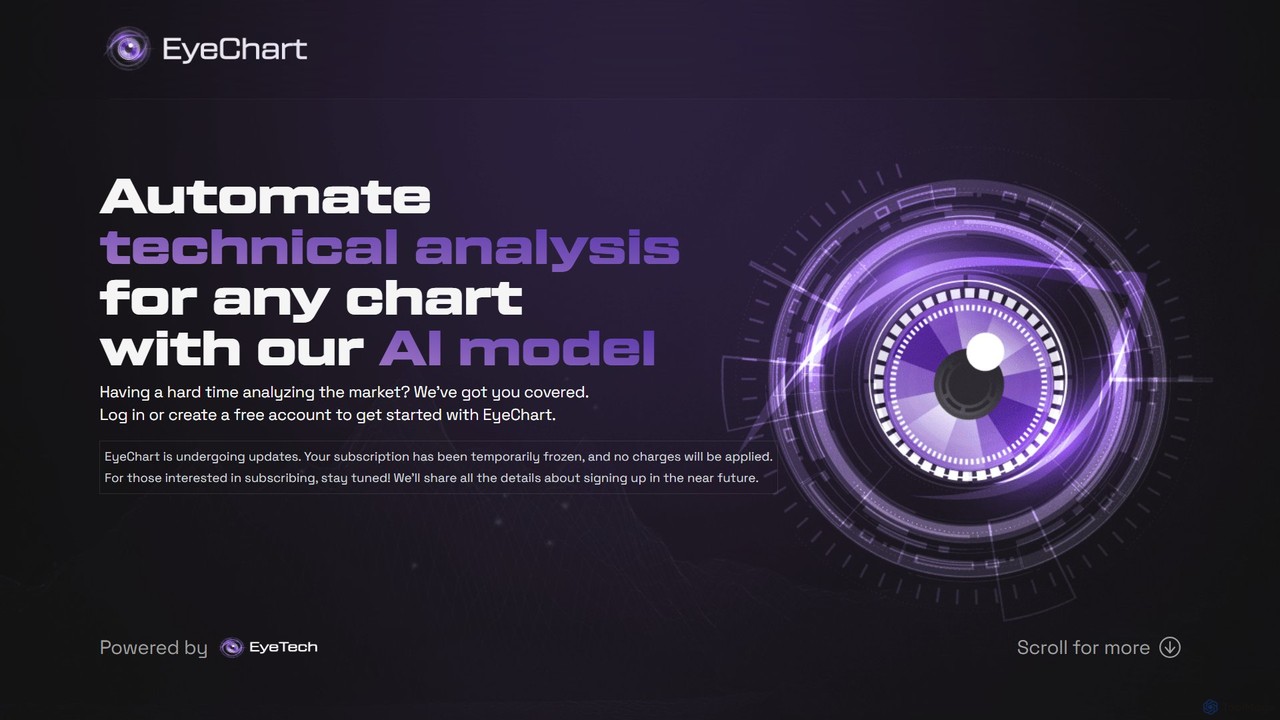
charteye is an AI-powered tool that automates technical analysis for any financial chart. Simply upload a chart image …

2.7K

About Financial Learning

AI Financial Learning tools are specialized educational applications that use artificial intelligence to deliver personalized financial knowledge and investment training. These platforms leverage AI algorithms to simplify complex economic concepts, simulate real-world market scenarios, and adapt learning paths to an individual's pace and knowledge level. Their primary value lies in making financial education accessible, engaging, and practical, empowering users from beginners to seasoned learners to build confidence and make informed financial decisions without real-world risk.

Core Features

  • Personalized Learning Paths: AI assesses user knowledge and goals to create customized educational journeys, from basic budgeting to advanced options trading.
  • Real-Time Market Simulation: Provides a risk-free environment to practice trading and investment strategies using real or near-real-time market data.
  • Interactive Concept Explainers: Breaks down complex financial topics like derivatives or macroeconomic indicators into simple, digestible modules.
  • Performance Analytics: Tracks learning progress and simulation performance, offering insights and identifying areas for improvement.
  • Risk Profile Assessment: Uses AI-driven questionnaires to help users understand their personal risk tolerance for investing.

Use Cases

These tools are ideal for students in finance or economics, individual investors seeking to deepen their market understanding, and employees participating in corporate financial wellness programs. They serve as a practical bridge between theoretical knowledge and real-world application, allowing users to test strategies and learn from simulated outcomes before committing actual capital.

How to Choose

When selecting an AI Financial Learning tool, consider the depth and breadth of the curriculum—does it cover your specific interests like stocks, crypto, or personal finance? Evaluate the realism of the market simulator, including factors like transaction costs and data feeds. Also, assess the level of personalization, the quality of the user interface, and whether the pricing model aligns with your learning objectives.

Financial LearningUse Cases

1

Mastering Investment Theories for Students

A university student studying finance uses an AI-powered market simulator to apply complex theories like the Modern Portfolio Theory (MPT) or the Capital Asset Pricing Model (CAPM). Instead of just reading about them, the student can build hypothetical portfolios, adjust asset allocations, and see how they perform under simulated historical and real-time market conditions. The AI provides instant feedback on risk-adjusted returns and diversification effectiveness, helping the student grasp the practical implications of academic concepts and prepare for a career in asset management.

2

Learning Fundamental Stock Analysis for Beginners

A novice investor wants to learn how to analyze stocks but is intimidated by dense financial reports like 10-K filings. They use an AI Financial Learning tool that connects to public company data. The user selects a stock, and the AI tool automatically extracts and visualizes key metrics like P/E ratio, debt-to-equity, and revenue growth in an easy-to-understand dashboard. It also provides plain-language summaries of earnings calls and management discussions, teaching the user the fundamentals of stock valuation step-by-step.

3

Improving Employee Financial Wellness

A human resources department offers its employees access to an AI financial learning platform as part of a wellness initiative. An employee uses the tool to set personal financial goals, such as saving for a down payment on a house. The AI creates a personalized learning module covering topics like budgeting, understanding mortgage rates, and retirement accounts (e.g., 401k). Through interactive simulations, the employee learns how different savings rates and investment choices could impact their goal timeline, empowering them to take control of their financial future.

4

Practicing Day Trading Strategies Risk-Free

An aspiring day trader uses an AI simulation tool to practice high-frequency trading strategies. The platform provides a hyper-realistic environment with real-time data feeds, simulated latency, and transaction cost modeling. The user can test different strategies, such as scalping or momentum trading, across various assets. The AI analyzes their trading patterns, highlights common mistakes like over-leveraging or poor stop-loss placement, and provides detailed performance reports. This allows the trader to refine their skills and build discipline without losing any real money.

5

Gamified Financial Education for Young Adults

A young adult, new to managing their own finances, uses a gamified AI learning app. The app presents financial concepts like compound interest, credit scores, and diversification through interactive challenges and story-based modules. For example, they might manage a virtual character's budget or build a fantasy investment portfolio. The AI adapts the difficulty based on their performance and provides rewards for milestones, making the learning process engaging and less intimidating. This approach helps build foundational financial literacy in a memorable way.

6

Educating Financial Advisory Clients

A financial advisor works with clients who have varying levels of investment knowledge. To ensure clients understand the strategies being proposed, the advisor assigns them specific learning modules on an AI platform. For instance, before recommending a portfolio with international stocks, the advisor can assign a module on currency risk and emerging markets. The AI tracks the client's progress and quiz results, providing the advisor with a report. This process educates the client, builds trust, and helps meet regulatory requirements for ensuring client suitability and understanding.

Financial LearningFrequently Asked Questions