Education Best in category 1 results Health AI Tool

Popular AI tools in the Health field of Education include Ada, etc., helping you quickly improve efficiency.

Free
Ada

Ada

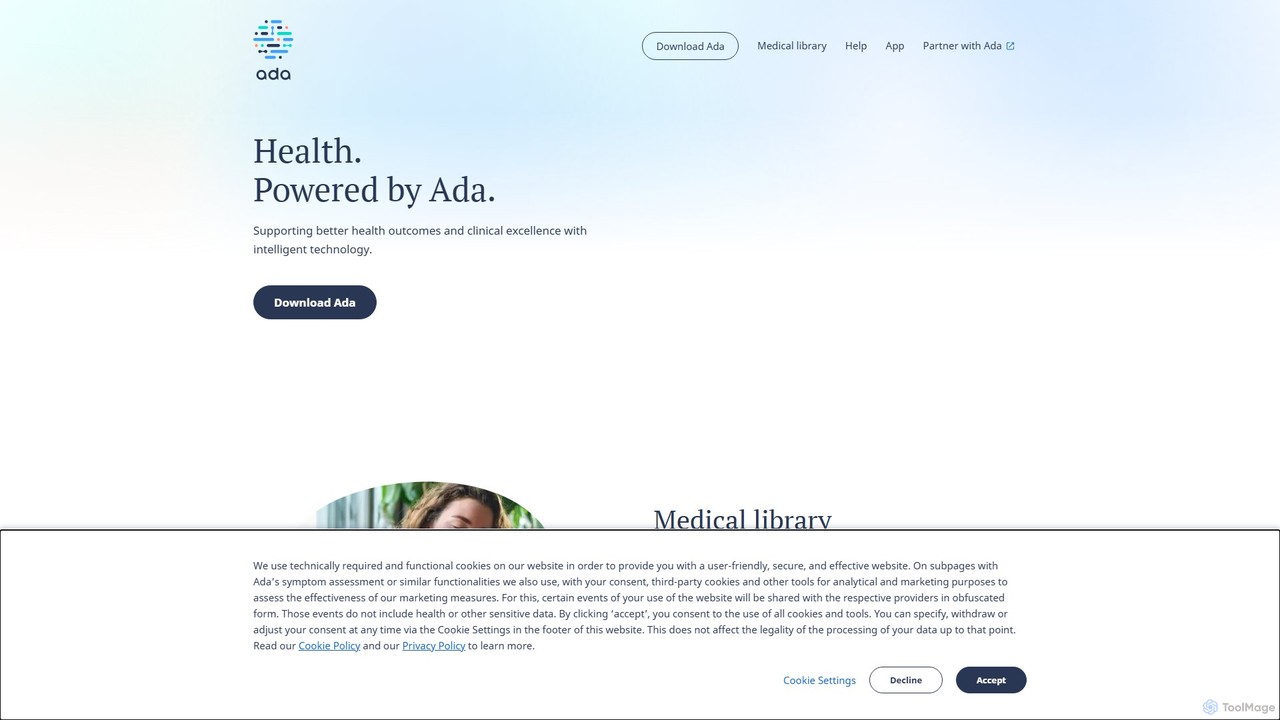
Ada is a personal health companion powered by AI. Developed by doctors, Ada helps you understand your symptoms …

501.5K

About Health

AI Health tools are a specialized category of artificial intelligence applications designed to support and enhance personal and public well-being through education, monitoring, and personalized guidance. Leveraging advanced algorithms and data analysis, these tools can offer tailored health insights, facilitate learning about medical conditions, and promote healthier lifestyles. They empower individuals to better understand and manage their health, serving as intelligent companions in the journey towards improved physical and mental wellness.

Core Features

  • Personalized Health Plans: Generate customized fitness routines, dietary suggestions, or wellness programs based on individual data and goals.
  • Symptom & Condition Education: Provide accessible, reliable information about symptoms, diseases, and health conditions, aiding user understanding.
  • Mental Wellness Support: Offer guided meditations, cognitive behavioral therapy (CBT) exercises, or stress management techniques.
  • Nutrition Analysis & Tracking: Analyze food intake, track macronutrients, and suggest healthier eating habits.
  • Medical Knowledge Retrieval: Assist healthcare students and professionals in quickly accessing and synthesizing complex medical literature for educational purposes.

Applicable Scenarios

These tools are widely used by individuals seeking to manage their personal health, patients needing to understand their conditions, and students in medical fields. They support daily wellness routines, aid in understanding complex medical information, and provide accessible mental health resources, making health education more interactive and personalized for a broad audience.

How to Choose

When selecting an AI Health tool, consider its data privacy policies, the breadth and accuracy of its health information, and its personalization capabilities. Evaluate the user interface for ease of use, check for integration with other health devices or apps, and assess whether its features align with your specific health and educational goals. Prioritize tools that cite credible sources and emphasize user data security.

HealthUse Cases

1

Personalized Fitness & Workout Planning

An individual aiming to improve their fitness can use an AI Health tool to generate a customized workout plan. By inputting personal data such as age, weight, fitness level, and goals, the AI analyzes this information to create a progressive exercise regimen, complete with video demonstrations and progress tracking. This helps users stay motivated and ensures their training is effective and safe, adapting as their fitness evolves.

2

Daily Mental Wellness & Stress Management

Someone experiencing daily stress or anxiety can utilize an AI Health application for mental wellness support. The AI chatbot provides guided meditation sessions, breathing exercises, and journaling prompts, helping users practice mindfulness and develop coping mechanisms. It offers a private, accessible space for emotional regulation and stress reduction, promoting better mental health habits.

3

Optimized Nutrition & Meal Planning

A user looking to manage their diet for weight loss, muscle gain, or specific health conditions can leverage an AI Nutrition tool. By logging meals and snacks, the AI analyzes caloric intake, macronutrient distribution, and identifies nutritional gaps. It then suggests personalized meal plans, healthy recipes, and grocery lists, simplifying dietary management and promoting balanced eating habits.

4

Patient Education for Chronic Conditions

A patient newly diagnosed with a chronic condition, such as diabetes or hypertension, can use an AI Health education platform to understand their illness better. The AI provides easy-to-understand explanations of the condition, treatment options, medication schedules, and lifestyle adjustments, often in interactive formats. This empowers patients with knowledge, helping them actively participate in their care management.

5

Medical Student Knowledge Retrieval & Learning

Medical students can employ AI Health tools to quickly access and synthesize vast amounts of medical information for their studies. Instead of sifting through textbooks, the AI can answer complex clinical questions, summarize research papers, or explain intricate physiological processes. This accelerates learning, enhances comprehension, and supports evidence-based understanding in their demanding curriculum.

6

Elderly Health Monitoring & Medication Reminders

Families or caregivers can deploy AI Health tools to assist elderly individuals with daily health management. The AI can send automated reminders for medication intake, upcoming doctor appointments, or gentle physical activities. Some tools can also monitor basic vital signs (if integrated with sensors) and alert caregivers to significant changes, providing peace of mind and supporting independent living.

HealthFrequently Asked Questions