letsfoodie
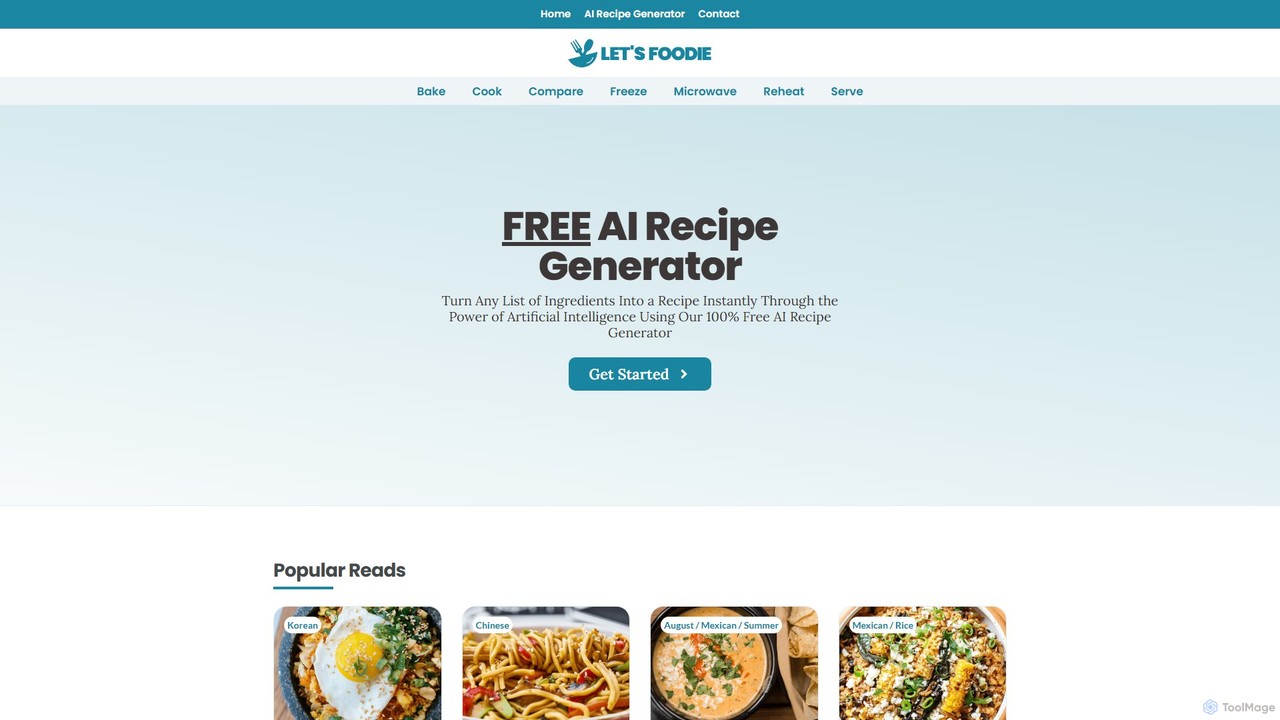
Let's Foodie is an AI-powered culinary knowledge base designed for food enthusiasts and home cooks. It provides instant, …
Let's Foodie is an AI-powered culinary knowledge base designed for food enthusiasts and home cooks. It provides instant, detailed answers to a vast range of kitchen questions, from specific food reheating and freezing techniques to definitions of obscure ingredients and common cooking FAQs. It's your ultimate free resource for practical, reliable kitchen advice.
Centre for the Governance of AI
The Centre for the Governance of AI (GovAI) is a leading non-profit research organization dedicated to navigating the …
The Centre for the Governance of AI (GovAI) is a leading non-profit research organization dedicated to navigating the challenges of advanced AI. It produces in-depth research, policy analysis, and guidance for governments, tech companies, and civil society to ensure responsible AI development and mitigate potential risks. GovAI focuses on security threats, international governance, and the societal impacts of AI, fostering a global community dedicated to shaping a safe and beneficial AI future.
About Knowledge Base
AI Knowledge Base tools are platforms designed to create, manage, and share organizational information. They leverage artificial intelligence, particularly natural language processing (NLP), to enable intelligent search, automated content tagging, and insightful analytics. These tools are essential for building self-service customer support portals, internal company wikis, and product documentation hubs, centralizing knowledge to improve efficiency and consistency.
Core Features
- Intelligent Search: Understands user intent and context through semantic search, delivering more accurate results than keyword matching.
- AI-Assisted Content Creation: Helps draft articles, summarize existing documents, and suggest improvements for clarity and completeness.
- Automated Organization: Automatically categorizes content, adds relevant tags, and links related articles to build a connected knowledge web.
- Knowledge Gap Analysis: Analyzes user search queries to identify topics where information is missing or insufficient, guiding content strategy.
- Seamless Integrations: Connects with helpdesk software, CRMs, and collaboration tools like Slack or Microsoft Teams to surface knowledge where it's needed.
Use Cases
These tools are widely adopted by customer support teams to reduce ticket volume, HR departments to streamline onboarding and internal processes, and product teams to maintain comprehensive documentation. They serve as a single source of truth that empowers both employees and customers with instant access to accurate information.
How to Choose
When selecting an AI Knowledge Base tool, evaluate the quality of its search algorithm—does it support natural language queries? Assess the user-friendliness of the content editor and its collaboration features. Also, consider its integration capabilities with your existing tech stack, the depth of its analytics, and a pricing model that aligns with your team's growth.

Knowledge BaseUse Cases
Build a Customer Self-Service Portal
A customer support manager for a SaaS company uses an AI knowledge base to create a public help center. The goal is to empower users to find answers independently and reduce incoming support tickets. The team populates the base with tutorials, FAQs, and troubleshooting guides. The AI automatically suggests relevant tags and links between articles. When a customer types a question like 'how do I reset my password?' into the search bar, the semantic search engine understands the intent and provides the exact article, leading to a measurable decrease in repetitive support requests.
Create an Internal Company Wiki
An HR department centralizes all company policies, onboarding materials, and process documents into an AI-powered knowledge base. This creates a single source of truth for all employees. When a new employee needs to know about the vacation policy, they can simply search 'how many vacation days do I get?'. The AI understands the query and directs them to the relevant section of the HR policy document. This saves significant time for both the employee and the HR team, who would otherwise have to answer these questions repeatedly.
Develop Technical Product Documentation
A software development team uses a knowledge base to create and maintain technical documentation for their product. Product managers write feature guides, and engineers add API references. The tool's version control feature ensures that the documentation is always up-to-date with the latest software release. When a developer using the API needs to find a specific function, they can search using natural language, and the AI will pinpoint the exact reference, including code snippets. This accelerates development and reduces support requests from the developer community.
Streamline Sales Team Onboarding
A sales manager creates a dedicated knowledge base for new hires. It contains everything from sales scripts and competitor analysis to product feature details and CRM usage guides. The AI can suggest a learning path for new reps, recommending articles based on their progress. During a client call, a sales rep can quickly search the knowledge base for information on a competitor mentioned by the client, receiving an instant summary. This enables faster ramp-up times for new team members and ensures consistent messaging across the sales organization.
Manage IT Support and Troubleshooting Guides
An IT department documents solutions to common technical problems, such as printer setup or VPN connection issues. When an employee submits a support ticket, the knowledge base can be integrated with the helpdesk system to automatically suggest relevant articles. This empowers employees to solve minor issues themselves. For IT staff, the knowledge base serves as a collaborative repository of solutions, ensuring that knowledge from experienced technicians is captured and shared, reducing the time it takes to resolve complex issues.
Analyze User Feedback for Content Improvement
A content strategist uses the analytics dashboard of the AI knowledge base to understand user behavior. The tool tracks which articles are viewed most, what search terms fail to return results, and where users drop off. This data reveals 'knowledge gaps.' For instance, if many users search for 'integration with Zapier' but find no article, the strategist knows to create one. The AI can also analyze user feedback on articles to suggest areas for improvement, ensuring the knowledge base continuously evolves to meet user needs.