ToolMage
Sign in

Best 1 Learning Aid AI tools for Education

Popular Learning Aid AI tools in Education include ChatPhoto, helping you work more efficiently.

ChatPhoto
Free

ChatPhoto

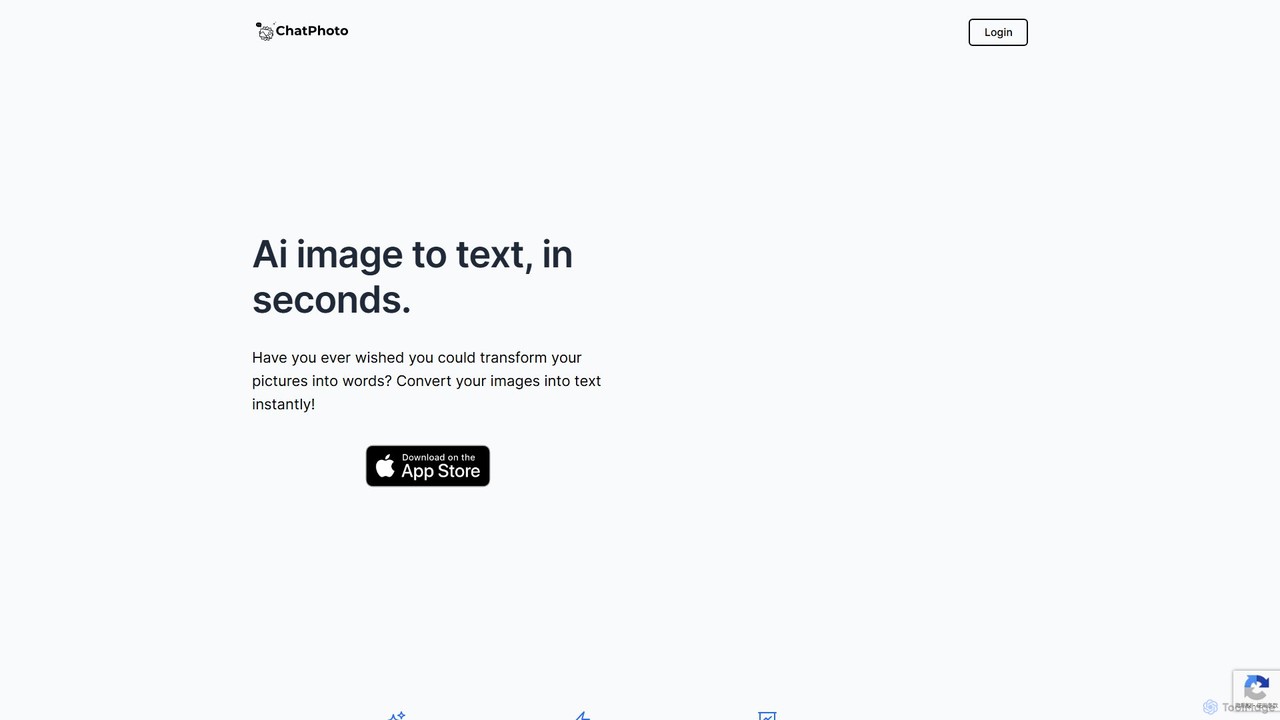
ChatPhoto is an AI tool that transforms images into text and conversations. Go beyond simple OCR by asking questions about your photos, generating social media captions, creating stories, and translating text within images. Interact with your visuals in any language and get insightful answers in seconds.

Social Media Assistant
Visits 5.7KFavorites 123Likes 115

About Learning Aid

AI-powered Learning Aid tools are designed to enhance the educational journey by providing personalized support and intelligent assistance to students and lifelong learners. These tools leverage advanced algorithms to adapt to individual learning styles, offer targeted feedback, and streamline study processes. They empower users to grasp complex concepts more efficiently, improve retention, and achieve academic or professional development goals with greater ease.

Core Features

  • Personalized Study Plans: Generates customized learning paths and schedules based on individual progress and goals.
  • Intelligent Tutoring: Provides real-time, adaptive explanations and practice problems, mimicking a human tutor.
  • Content Summarization: Condenses long texts, articles, or lectures into key points, saving study time.
  • Language Practice & Feedback: Offers interactive exercises, pronunciation analysis, and grammar correction for language learners.
  • Flashcard & Quiz Generation: Automatically creates study materials from notes or uploaded content to aid memorization.

Use Cases

Students preparing for exams can utilize AI learning aids to create personalized revision schedules, summarize lengthy textbooks, and practice with AI-generated quizzes tailored to their weak areas. Professionals seeking to acquire new skills can leverage these tools for structured learning paths and interactive practice sessions.

How to Choose

When selecting a Learning Aid tool, consider its adaptability to your learning style, the breadth and depth of its content coverage, and the quality of its personalized feedback mechanisms. Evaluate its integration capabilities with existing study platforms and assess the clarity of its progress tracking and reporting features to ensure it meets your specific educational needs.

Featured tool rankings

Learning Aid use cases

1

Create Personalized Exam Study Plans

A university student preparing for multiple final exams can input their course syllabi and past performance data into an AI learning aid. The tool then generates an optimized study schedule, prioritizing subjects based on difficulty and exam dates, and suggests specific topics for review. This ensures efficient allocation of study time and targeted revision, potentially improving scores by focusing on areas needing most attention.

2

Summarize Academic Papers for Research

A researcher or graduate student needing to review dozens of academic papers for a literature review can use an AI learning aid to quickly extract key findings and methodologies. By uploading PDFs, the tool automatically generates concise summaries, identifies core arguments, and highlights relevant data points. This significantly reduces reading time, allowing the researcher to synthesize information faster and focus on critical analysis.

3

Practice Conversational Skills in a New Language

An individual learning a new language can engage with an AI learning aid that simulates real-life conversations. The tool provides instant feedback on grammar, vocabulary, and pronunciation, and adapts the dialogue based on the learner's responses. This offers a safe, non-judgmental environment for practicing speaking and listening, accelerating fluency development compared to traditional methods.

4

Get Instant Explanations for Complex Topics

A high school student struggling with a specific math concept can use an AI learning aid as an intelligent tutor. The student inputs their question or problem, and the AI provides step-by-step explanations, breaks down complex ideas into simpler parts, and offers additional practice problems. This immediate, personalized support helps clarify misunderstandings and builds confidence without needing a human tutor available 24/7.

5

Acquire New Professional Skills with Guided Learning

A marketing professional aiming to learn data analytics can utilize an AI learning aid to structure their learning journey. The tool curates relevant courses, articles, and exercises, tracks progress, and provides adaptive quizzes to reinforce understanding. This guided approach ensures a comprehensive and efficient skill acquisition process, directly applicable to career advancement.

6

Generate Diverse Quiz Questions for Students

An educator preparing lesson materials can leverage an AI learning aid to quickly generate a variety of quiz questions, flashcards, or discussion prompts from their lecture notes or textbook chapters. The tool can create multiple-choice, true/false, or open-ended questions, saving significant time in content preparation and allowing the educator to focus more on teaching and student interaction.

Learning Aid FAQ

What are AI Learning Aid tools?

AI Learning Aid tools are applications that use artificial intelligence to support and enhance the learning process. They provide personalized assistance, intelligent feedback, and automated study resources. Key features often include adaptive learning paths, content summarization, virtual tutoring, and interactive practice exercises, all designed to make learning more efficient and engaging for individuals across various educational levels.

How do AI Learning Aid tools personalize learning?

AI Learning Aid tools personalize learning by analyzing a user's performance, learning style, and progress data. They adapt content difficulty, recommend specific resources, and adjust teaching methods in real-time to match individual needs. This dynamic approach ensures that learners receive targeted support, focus on areas where they need improvement, and progress at their own optimal pace, making the learning experience highly customized and effective.

What's the difference between AI Learning Aids and traditional educational software?

The primary difference lies in adaptability and intelligence. Traditional educational software often follows a fixed curriculum or set of exercises. In contrast, AI Learning Aids use algorithms to understand and respond to individual learner behavior, providing dynamic, personalized feedback and content. They can identify knowledge gaps, offer intelligent tutoring, and evolve with the learner, moving beyond static content delivery to truly adaptive and interactive learning experiences.

Can AI Learning Aids replace human teachers or tutors?

While AI Learning Aids offer powerful personalized support and can automate many aspects of learning, they are generally designed to complement, rather than replace, human teachers or tutors. AI excels at data analysis, content delivery, and adaptive practice. However, human educators provide crucial emotional intelligence, mentorship, complex problem-solving guidance, and foster critical thinking in ways that AI cannot fully replicate, especially in nuanced social and ethical contexts.

What should I consider when choosing an AI Learning Aid?

When selecting an AI Learning Aid, consider its alignment with your specific learning goals and subject matter. Evaluate its personalization capabilities, ensuring it adapts effectively to your learning style. Check for the quality and accuracy of its content and feedback. Also, assess its user interface for ease of use, compatibility with your devices, and pricing structure. Finally, look for tools with strong privacy policies regarding your learning data.