Education Best in category 2 results Learning Aids AI Tool

Popular AI tools in the Learning Aids field of Education include Neuralith、Visual AI, etc., helping you quickly improve efficiency.

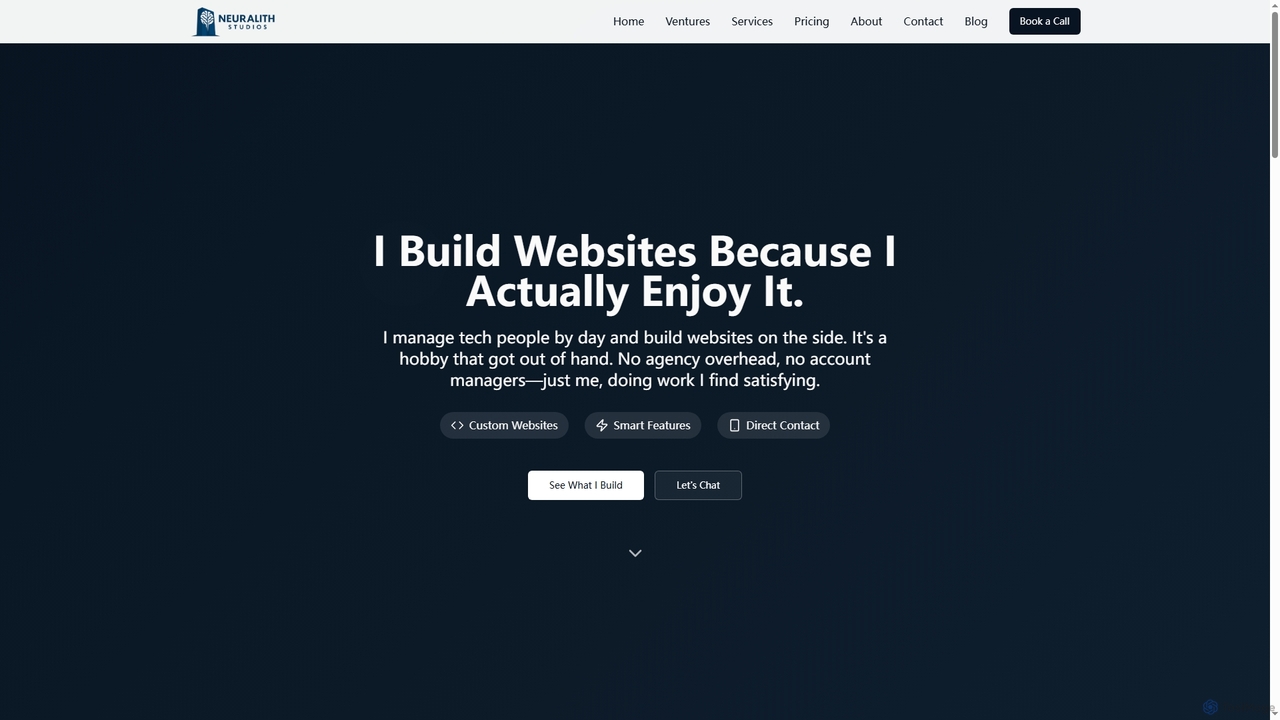
Neuralith

Neuralith

Neuralith Studios offers bespoke website and application development services, leveraging modern AI tools to create custom solutions. They …

2.7K
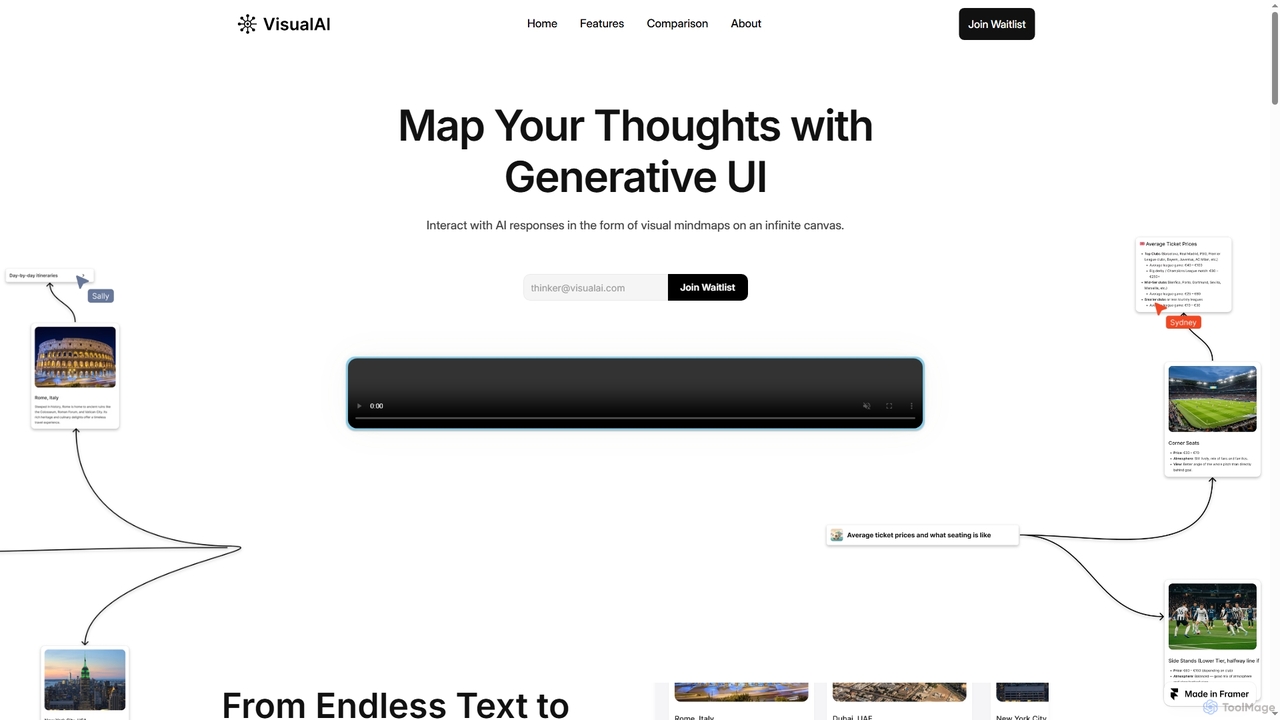
Visual AI

Visual AI

Visual AI is an innovative platform that transforms linear AI text responses into dynamic, visual clarity. It automatically …

2.6K

About Learning Aids

AI Learning Aids are tools that use artificial intelligence to create personalized, interactive, and adaptive study experiences. They leverage large language models and other algorithms to act as on-demand tutors, explain complex concepts, and generate practice materials tailored to the user's needs. The primary value of these tools is to make learning more efficient and engaging by providing instant feedback and customized support. They transform passive study materials into dynamic learning conversations.

Core Features

  • Personalized Tutoring: Provides step-by-step explanations and answers questions on a wide range of subjects, adapting to the user's pace.
  • Content Summarization: Condenses long articles, research papers, or textbook chapters into concise, easy-to-understand summaries.
  • Interactive Quiz Generation: Automatically creates practice questions, flashcards, and tests from uploaded notes, documents, or text.
  • Problem-Solving Assistance: Offers hints and guided solutions for complex problems in subjects like math, science, and coding.
  • Language Practice: Simulates real-life conversations to help users practice speaking, listening, and grammar in a new language.

Use Cases

These tools are widely used by students from high school to university for exam preparation and homework assistance. Professionals use them for upskilling and mastering new technical subjects. Language learners also rely on them for immersive conversational practice outside the classroom.

How to Choose

When selecting an AI Learning Aid, consider the specific subjects it covers and the depth of its knowledge base. Evaluate the quality of its explanations and the types of interactive content it can generate (e.g., quizzes, flashcards). Also, check for features like document uploading (PDF, DOCX) and integration with other platforms you use for studying.

Learning AidsUse Cases

1

Mastering Complex Scientific Concepts

A university student studying biology uses an AI learning aid to understand cellular respiration. They upload a PDF of their textbook chapter, and the tool generates a simplified explanation, identifies key vocabulary for a flashcard deck, and creates a multiple-choice quiz. When the student answers a question incorrectly, the AI provides a detailed explanation of the correct answer, referencing the original text. This interactive process helps solidify their understanding far more effectively than passive reading.

2

Conversational Practice for Language Learning

A marketing professional learning Japanese for an international assignment uses an AI learning aid as a conversation partner. They can choose scenarios like 'negotiating a contract' or 'ordering at a restaurant'. The AI speaks in natural Japanese and provides real-time feedback on the user's pronunciation, grammar, and word choice. It can also explain cultural nuances related to the conversation, offering a safe and endlessly patient environment to practice speaking skills before using them in the real world.

3

Preparing for Standardized Tests

A high school student preparing for the SAT uses an AI learning aid to improve their essay writing. They submit a practice essay, and the AI provides instant, detailed feedback on its structure, argumentation, grammar, and clarity. The tool highlights weak sentences, suggests alternative phrasing, and scores the essay based on the official rubric. This allows the student to iterate and improve their writing skills rapidly, receiving personalized coaching that would otherwise be time-consuming for a human teacher to provide for every draft.

4

Summarizing Research Papers for Academics

A graduate researcher needs to conduct a literature review on a tight deadline. They use an AI learning aid to process dozens of academic papers. For each paper, the tool generates a structured summary that includes the abstract, methodology, key findings, and limitations. This allows the researcher to quickly assess the relevance of each paper without reading it in its entirety, saving dozens of hours and enabling them to focus on the most critical sources for their own work.

5

On-the-Job Skill Acquisition for Employees

A junior software developer is learning a new programming framework for a project. Instead of constantly interrupting senior developers, they use an AI learning aid as a coding assistant. They can paste code snippets and ask for explanations, debugging help, or suggestions for optimization. The AI provides instant, context-aware answers, helping them learn independently and solve problems faster. This accelerates their professional development and increases the overall productivity of the team.

6

Creating Study Materials from Lecture Notes

After a long lecture, a student has pages of disorganized notes. They upload a photo or a typed version of their notes into an AI learning aid. The tool automatically structures the information, identifies key concepts and definitions, and generates a concise summary. From this structured content, it can then create a set of digital flashcards for memorization and a practice quiz to test recall. This transforms messy raw notes into a powerful and organized set of revision tools in minutes.

Learning AidsFrequently Asked Questions