ToolMage
Sign in

Best 3 Learning Resources AI tools for Education

Popular Learning Resources AI tools in Education include Colorings.io, Py, and YouTube Search, helping you work more efficiently.

Py
Free

Py

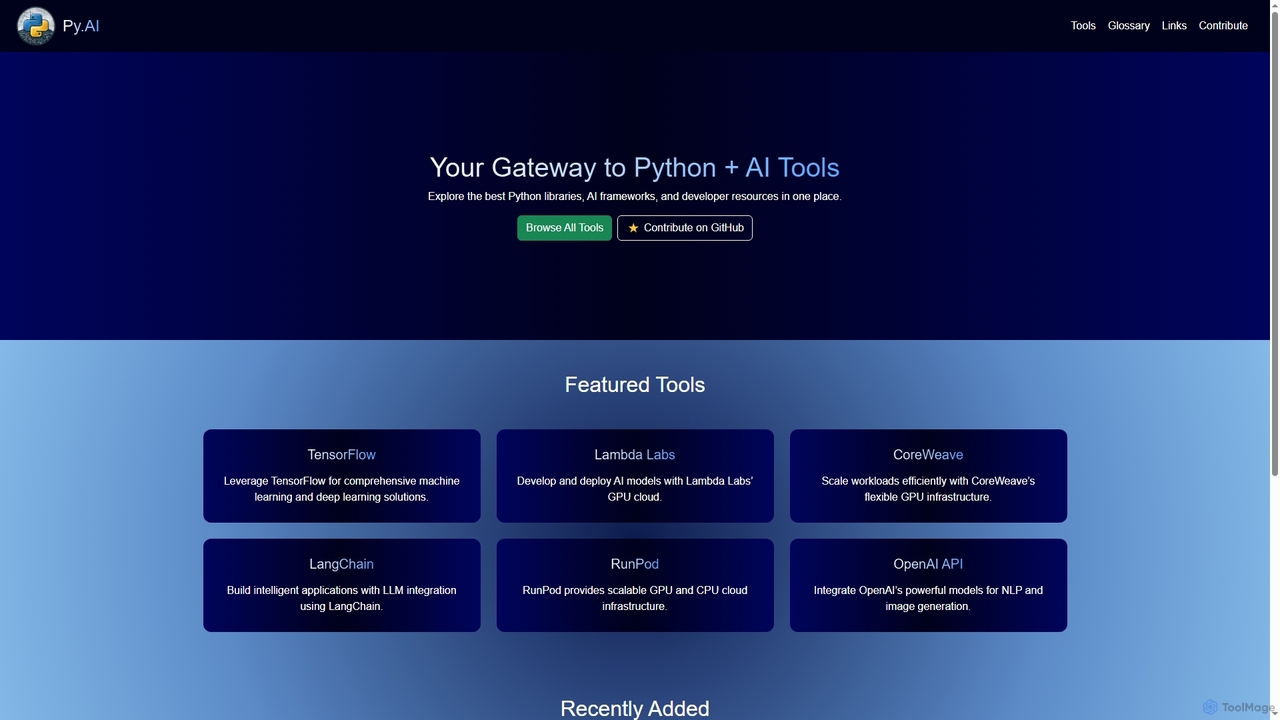
Py is a curated online directory serving as a comprehensive gateway to the best Python libraries, AI frameworks, and developer resources. It helps users explore, discover, and find tools to enhance their machine learning and AI projects.

Tool Discovery
Visits 4.5KFavorites 109Likes 122
YouTube Search

YouTube Search

YouTube Search, powered by Vizlook, is an advanced video search engine that allows users to find specific content within YouTube videos. It goes beyond titles and descriptions, enabling searches for spoken words and on-screen text across diverse domains like healthcare, technology, education, e-commerce, and finance, making video content more accessible and discoverable.

Learning Resources
Visits 4.2KFavorites 112Likes 128
Colorings.io
Freemium

Colorings.io

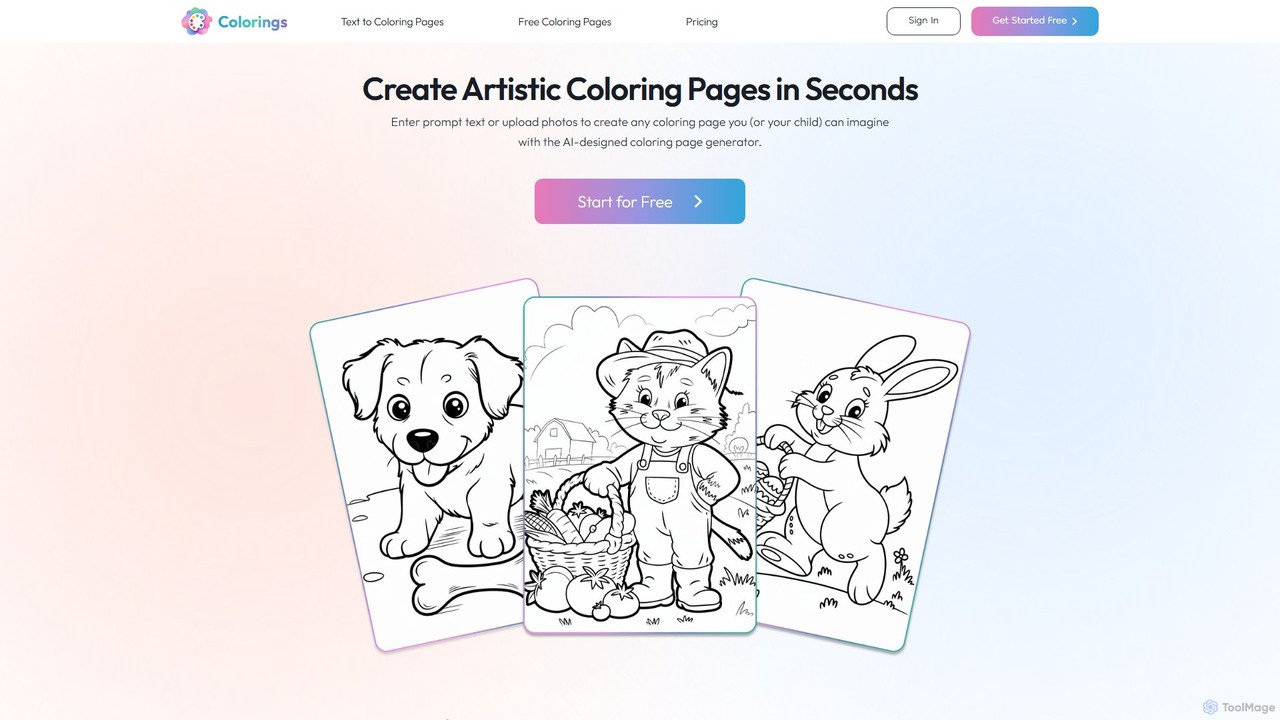
Colorings.io is an AI-powered coloring page generator that transforms text prompts or photos into unique, printable coloring sheets in seconds. Ideal for parents, teachers, and artists, it offers a vast library of over 100,000 templates, customizable difficulty levels, and various sizes. Create personalized fun for kids, educational materials for classrooms, or intricate designs for adult relaxation. A free plan is available.

Coloring Page Generation
Visits 12KFavorites 113Likes 113

About Learning Resources

AI Learning Resources are platforms and tools designed to teach artificial intelligence concepts or use AI to enhance the learning process for any subject. They leverage adaptive learning algorithms to create personalized curricula, provide instant feedback, and offer interactive coding environments. These resources are valuable for anyone looking to acquire in-demand AI skills, from beginners to professionals, by making complex topics more accessible. They effectively bridge the gap between theoretical knowledge and practical application through hands-on projects.

Core Features

  • Personalized Learning Paths: The curriculum adapts to your learning pace and existing knowledge.
  • Interactive Coding Environments: Write and execute code directly in the browser without complex local setup.
  • AI-Powered Tutoring: Get instant, 24/7 explanations and guidance on difficult concepts.
  • Project-Based Curriculum: Build a portfolio of real-world projects to demonstrate practical skills.
  • Knowledge Assessment: Utilize AI-driven quizzes and tests to track progress and identify areas for improvement.

Applicable Scenarios

These resources are ideal for individuals seeking to upskill for careers in data science, machine learning, and software development. They are also used by academic institutions to supplement traditional coursework and by corporations for employee training programs to foster AI literacy across departments.

Selection Criteria

When choosing an AI Learning Resource, evaluate the depth of the curriculum, the emphasis on practical projects versus theory, the quality of instructors and community support, and whether they offer recognized certifications. Also, consider the platform's user interface and the availability of free trials to test its suitability for your learning style.

Featured tool rankings

Learning Resources use cases

1

Mastering Machine Learning for a Data Science Career

An aspiring data scientist uses an AI learning platform to build foundational knowledge. They start with Python programming basics in an interactive sandbox, then move to core machine learning concepts like regression and classification. The platform's project-based curriculum guides them to build a predictive model for housing prices. An AI tutor helps debug code and explains complex statistical concepts in real-time, accelerating their learning and helping them build a strong portfolio for job applications.

2

Upskilling in AI for Software Developers

An experienced software developer wants to integrate AI capabilities into their applications. They enroll in a specialized course on a learning resource focused on Large Language Models (LLMs). The course provides practical modules on API integration, prompt engineering, and fine-tuning models. Through hands-on labs, the developer learns to build a customer service chatbot, directly applying new skills and understanding the nuances of working with generative AI, thus enhancing their value and capabilities within their team.

3

Corporate Training for Non-Technical Teams

A marketing manager uses an AI learning resource to train their team on the fundamentals of AI. The platform offers a non-technical track covering topics like 'What is AI?', 'How Generative AI works', and 'AI Ethics'. Through short video lessons and interactive quizzes, the team quickly grasps key concepts. This enables them to collaborate more effectively with technical teams and develop marketing strategies that leverage AI tools responsibly and creatively.

4

Supplementing University Computer Science Courses

A university student struggling with a complex topic like neural networks uses an AI learning platform as a supplementary tool. The platform's AI tutor provides step-by-step explanations and visual simulations that are not available in their textbook. They can ask specific questions like 'Why use a ReLU activation function?' and receive instant, detailed answers. This personalized support helps them overcome learning hurdles and achieve a deeper understanding of the course material, leading to better grades.

5

Learning Prompt Engineering for Creative Professionals

A graphic designer wants to leverage generative AI for creating unique visuals. They use a learning resource that offers a specialized course in prompt engineering for image generation models. The course teaches them about structuring prompts, using negative prompts, and controlling parameters like style and composition. By practicing in an integrated AI art generator, they learn to create highly specific and artistic images, significantly speeding up their creative workflow and expanding their service offerings.

6

Exploring AI as a Hobbyist or Enthusiast

A high school student with an interest in technology uses a gamified AI learning app to explore the basics of AI. The app presents concepts like machine learning and neural networks through interactive puzzles and storytelling. They learn to train a simple model to recognize images without writing any code. This engaging and accessible approach sparks their curiosity and provides a solid, non-intimidating foundation for future, more advanced studies in the field of artificial intelligence.

Learning Resources FAQ

What are AI Learning Resources?

AI Learning Resources are specialized online platforms, courses, and tools designed to teach the principles and applications of artificial intelligence. Unlike general educational tools, they often feature AI-powered functionalities like personalized learning paths that adapt to a user's progress, interactive coding environments for hands-on practice, and AI tutors for instant help. They cater to a wide range of learners, from beginners exploring basic concepts to professionals mastering advanced topics like deep learning or natural language processing.

How do AI Learning Resources differ from traditional online courses?

The primary difference lies in interactivity and personalization. While traditional online courses often follow a static, one-size-fits-all video lecture format, AI Learning Resources use AI to create a dynamic experience. Key differentiators include:

  • Adaptive Learning: The curriculum adjusts based on your performance in quizzes and exercises.
  • Instant Feedback: AI tutors can review your code or answers immediately, providing targeted suggestions.
  • Interactive Environments: Many platforms offer built-in coding sandboxes, eliminating the need for complex software setup.
  • Personalized Pacing: The system can recommend prerequisite topics if you're struggling or suggest advanced material if you're excelling.

Do I need a strong math or programming background to start?

Not necessarily. Many AI Learning Resources are designed for absolute beginners and have introductory tracks that start with the fundamentals of programming (like Python) and essential math concepts. These beginner-friendly platforms often abstract away complex mathematics, allowing you to build intuition first. However, for more advanced topics like designing new neural network architectures, a solid foundation in linear algebra, calculus, and probability is highly beneficial. Always check the prerequisites listed for a course or learning path.

How to choose the right AI Learning Resource?

Choosing the right resource depends on your goals and learning style. Consider these factors:

  • Learning Goal: Are you aiming for a general understanding, a specific skill (like prompt engineering), or a career change? Choose a resource that aligns with your objective.
  • Learning Style: Do you prefer video lectures, text-based tutorials, or hands-on projects? Look for a platform that matches your preference.
  • Curriculum Depth: Check if the curriculum covers the topics you're interested in with sufficient depth and is taught by credible instructors.
  • Community and Support: An active community forum or access to mentors can be invaluable for overcoming challenges.
  • Cost and Certification: Evaluate the pricing model (subscription vs. one-time fee) and whether the platform offers a recognized certificate upon completion.

Are certifications from AI Learning Resources valuable?

The value of a certification varies. Certifications from well-regarded platforms or those associated with major tech companies can significantly enhance a resume and demonstrate commitment to continuous learning. They are particularly useful for entry-level positions or when transitioning into an AI-related role. However, for experienced professionals, a strong portfolio of practical projects built using the skills learned often carries more weight with employers than a certificate alone. The best approach is to use the learning resource to build both skills and a demonstrable portfolio.