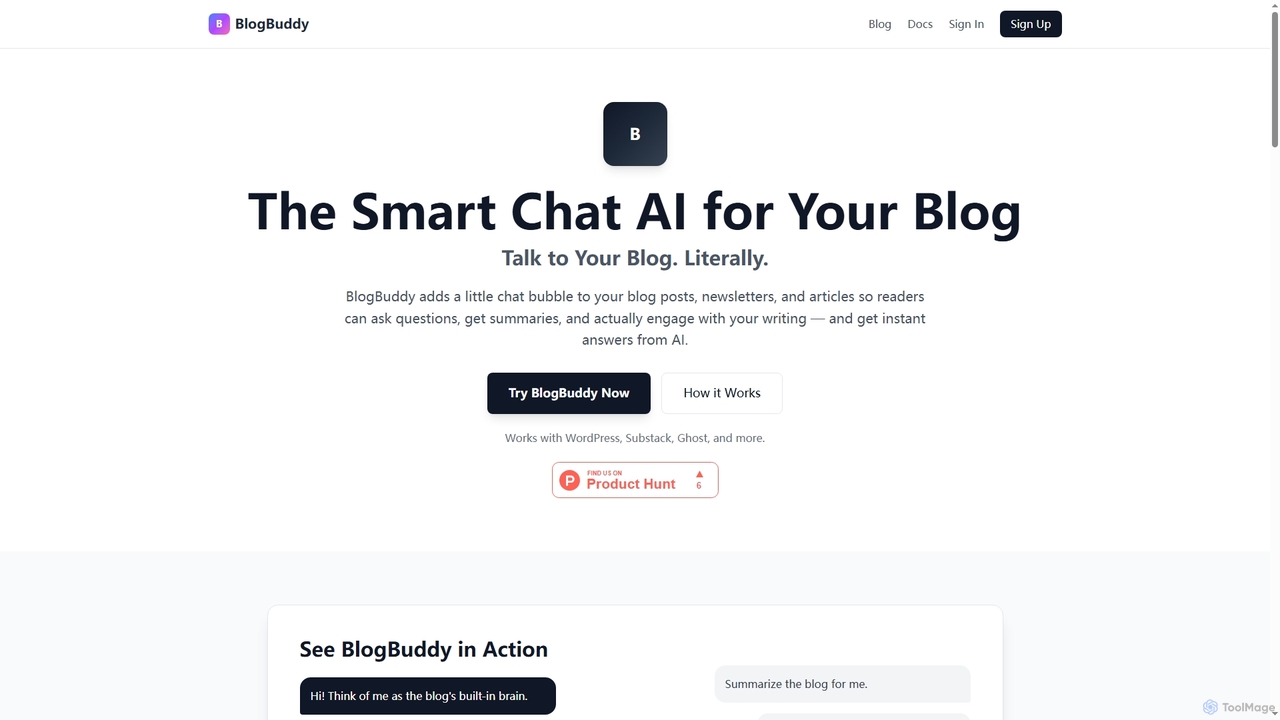
AI Learning Support tools are applications designed to enhance and personalize the educational journey for individual learners. These tools leverage natural language processing (NLP) and machine learning to act as intelligent study partners, capable of explaining complex concepts, summarizing dense texts, and generating study materials. Their primary value lies in making learning more accessible, efficient, and tailored to each user's specific needs and pace. They provide on-demand assistance, helping to bridge knowledge gaps and reinforce understanding outside the traditional classroom setting.
Core Features
- Concept Explanation: Breaks down difficult topics, theories, and jargon into simple, easy-to-understand language.
- Automated Summarization: Condenses long articles, research papers, or textbook chapters into key points and summaries.
- Interactive Q&A: Allows users to ask specific questions about their study materials and receive instant, detailed answers.
- Study Aid Generation: Automatically creates flashcards, quizzes, and mind maps from uploaded notes or documents.
- Personalized Tutoring: Simulates a one-on-one tutoring experience by adapting to the user's learning style and identifying areas for improvement.
Use Cases
These tools are widely used by students from high school to university levels for exam preparation and homework assistance. Lifelong learners and professionals also use them for upskilling, quickly grasping new industry concepts, or understanding complex technical documents. For instance, a medical student might use it to summarize a research paper, while a programmer could use it to understand a new algorithm.
How to Choose
When selecting an AI Learning Support tool, consider the subject matter specialization—some are better for STEM, while others excel in humanities. Evaluate the types of content it can process (text, PDFs, URLs) and the quality of the study aids it generates. Also, assess its integration capabilities with other learning platforms and the clarity and accuracy of its explanations. Finally, consider the user interface and whether its pricing model aligns with your budget and usage frequency.