ToolMage
Sign in

Best 3 Parenting AI tools for Education

Popular Parenting AI tools in Education include bedtimestory.ai, theraise, and KawaiiQ, helping you work more efficiently.

theraise
Freemium

theraise

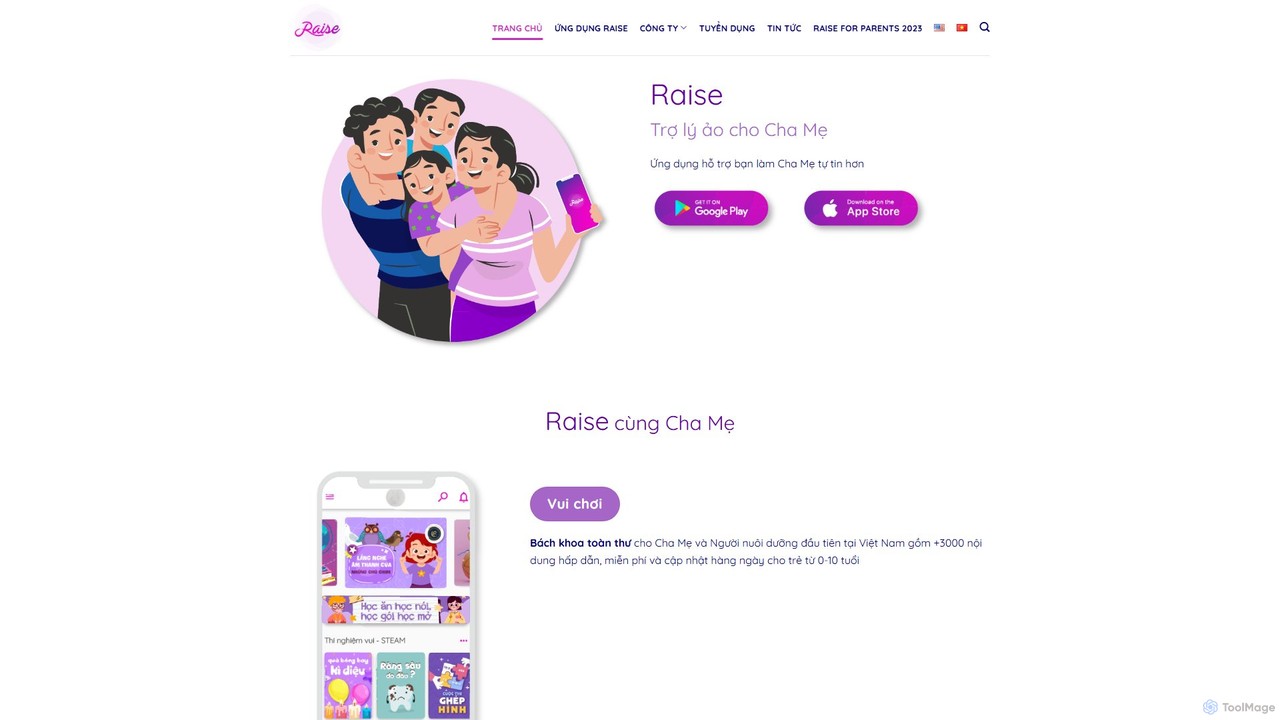
theraise is an AI-powered virtual assistant mobile app designed for parents. It provides a comprehensive ecosystem of personalized content, educational activities, and family organization tools to support the development of children aged 0-12, making parenting a more confident and joyful journey.

Parenting
Visits 5.9KFavorites 133Likes 106
bedtimestory.ai
Freemium

bedtimestory.ai

bedtimestory.ai is an AI-powered story generator that instantly creates personalized and captivating bedtime stories for children. Simply provide a prompt, and the tool crafts unique tales featuring customized characters, genres, and moral lessons. It's designed for parents to make bedtime magical and for aspiring authors to kickstart their creative journey.

Parenting
Visits 37.6KFavorites 112Likes 118
KawaiiQ
Freemium

KawaiiQ

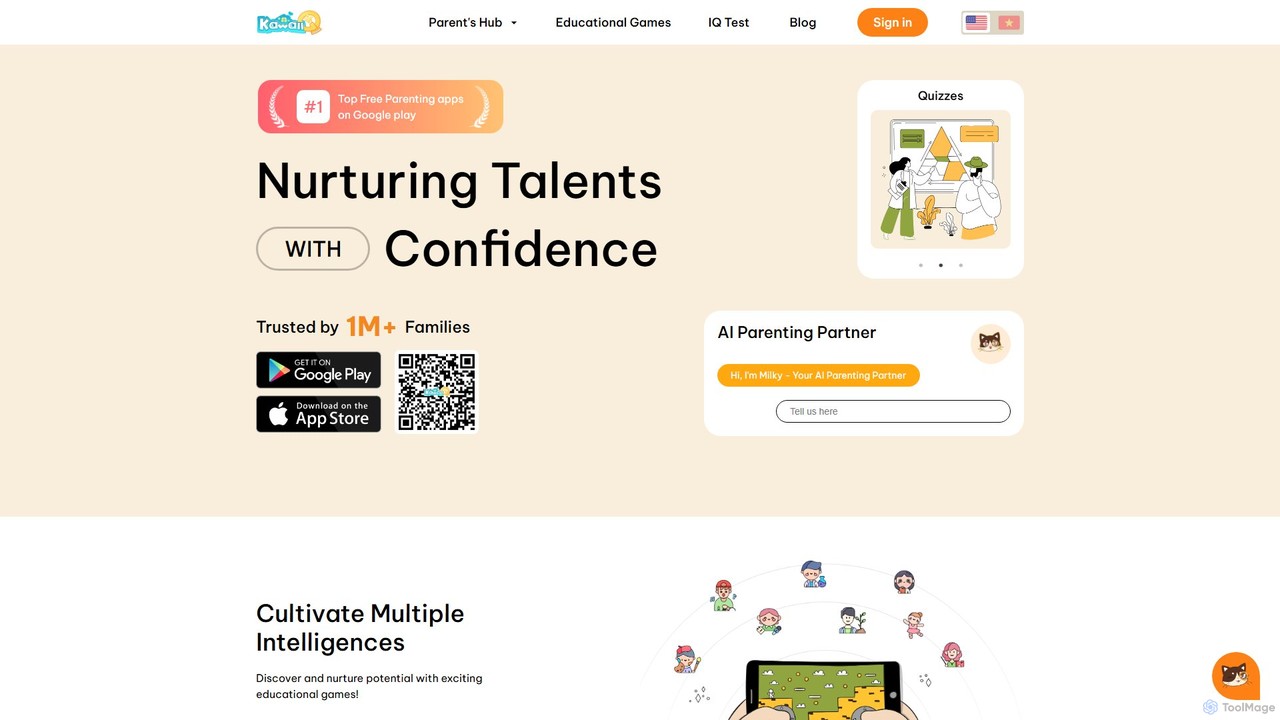
KawaiiQ is an AI-powered parenting partner designed to support child development. Trusted by over a million families, this app offers 50+ educational games, personalized learning paths, and an AI assistant named Milky to answer parenting questions. It provides a holistic approach to nurturing a child's multiple intelligences through engaging activities, worksheets, and a supportive parent community forum.

Parenting
Visits 3.4KFavorites 137Likes 142

About Parenting

Parenting AI tools are intelligent applications designed to support parents and caregivers in raising children. These tools leverage artificial intelligence to offer personalized guidance, automate routine tasks, and provide data-driven insights into child development and well-being. They aim to simplify the complexities of modern parenting, making it more informed and efficient.

Core Features

  • Personalized Learning & Development: Tailors educational content, activities, and developmental milestones based on a child's age, interests, and progress.
  • Health & Wellness Monitoring: Tracks sleep patterns, feeding schedules, growth metrics, and provides alerts or insights for potential health concerns.
  • Behavioral Guidance & Support: Offers AI-driven advice and strategies for managing child behavior, fostering positive habits, and addressing common parenting challenges.
  • Task Automation & Scheduling: Helps organize daily routines, appointments, meal planning, and reminders for school or extracurricular activities.
  • Safety & Supervision: Utilizes AI for smart monitoring, such as detecting unusual sounds, movements, or providing location tracking for older children.

Use Cases

Parents seeking personalized educational resources for their child; caregivers needing assistance with tracking health metrics; families looking for tools to manage daily schedules and routines; or those desiring AI-powered advice on child behavior.

How to Choose

Consider the specific needs (e.g., education, health, safety) and age range of your child. Evaluate the tool's data privacy policies, the accuracy and source of its AI-generated advice, ease of use, and integration with other smart home devices or family calendars.

Featured tool rankings

Parenting use cases

1

Personalized Learning Path Creation

Parents use AI tools to generate customized learning plans and activity suggestions for their child, adapting to their unique pace and interests. This helps foster early cognitive development and keeps children engaged with age-appropriate educational content, saving parents research time and ensuring a tailored learning experience.

2

Automated Health & Growth Tracking

New parents utilize AI-powered apps to log feeding times, diaper changes, sleep cycles, and growth measurements. The AI analyzes patterns, provides insights into baby's health trends, and offers predictive alerts for potential issues, reducing parental anxiety and ensuring timely care for their infant.

3

Behavioral Coaching & Parenting Advice

Parents facing specific behavioral challenges, like sleep regression or tantrums, input scenarios into an AI tool. The tool provides evidence-based strategies and communication techniques, helping parents respond effectively and build positive parent-child relationships, offering support when professional help isn't immediately available.

4

Family Schedule & Activity Management

Busy families employ AI assistants to coordinate school events, extracurricular activities, appointments, and meal planning. The AI optimizes schedules, sends reminders, and suggests family-friendly activities, streamlining household logistics and reducing organizational stress for parents, ensuring everyone stays on track.

5

Child Safety & Monitoring Alerts

Parents use AI-enabled smart cameras or wearables to monitor their child's environment or location. The AI can detect unusual sounds (like crying or distress), movements, or geo-fence breaches, sending instant alerts to parents, enhancing child safety and providing peace of mind, especially when parents are not physically present.

6

Interactive Storytelling & Language Development

AI tools generate personalized stories or interactive language games tailored to a child's vocabulary level and interests. This encourages reading comprehension, expands vocabulary, and makes learning new languages fun and engaging, supporting early literacy skills and fostering a love for reading from a young age.

Parenting FAQ

What are Parenting AI tools?

Parenting AI tools are applications and devices that use artificial intelligence to assist parents and caregivers with various aspects of child-rearing. They provide personalized support for education, health monitoring, behavioral guidance, and daily organization, aiming to make parenting more informed and efficient.

How do Parenting AI tools personalize content for my child?

These tools typically use machine learning algorithms to analyze a child's age, developmental stage, learning style, and interactions with the app. Based on this data, they adapt educational content, activity suggestions, and advice to be uniquely relevant and engaging for that specific child, ensuring a tailored experience.

Are Parenting AI tools safe and private for my family's data?

Data privacy and security are critical. Reputable parenting AI tools employ robust encryption and adhere to strict privacy policies, often complying with regulations like COPPA. It's essential to review a tool's privacy statement to understand how your family's data is collected, stored, and used, and to choose tools from trusted providers.

What's the difference between general educational apps and Parenting AI tools?

While general educational apps offer learning content, Parenting AI tools go further by integrating AI for personalized adaptation, predictive insights (e.g., health trends), and comprehensive support across multiple parenting domains like behavior, scheduling, and safety, not just academics. They provide a more holistic approach to child-rearing.

Can Parenting AI tools replace professional advice from doctors or educators?

No, Parenting AI tools are designed to supplement, not replace, professional advice. They offer valuable information, personalized insights, and organizational support, but for medical diagnoses, serious behavioral issues, or complex educational needs, consulting qualified professionals remains essential. Always prioritize expert guidance for critical decisions.