
ToolMage
Sign in

Best 1 Pet Care AI tools for Education

Popular Pet Care AI tools in Education include SheliApp, helping you work more efficiently.

SheliApp
Freemium

SheliApp

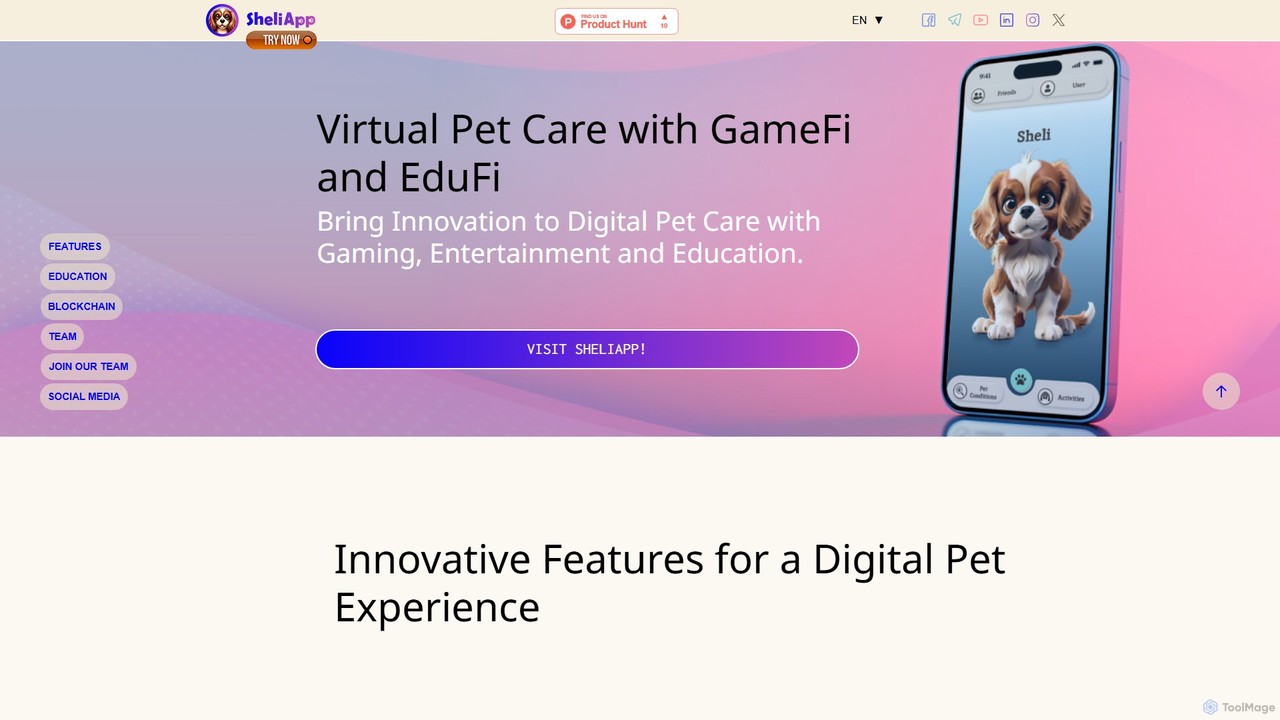
SheliApp revolutionizes pet care by merging GameFi, education, and AI. Create a 3D virtual pet from a photo, care for it through engaging games, and receive personalized pet care advice from experts. It's a fun, interactive platform for current and future pet owners to learn responsible pet ownership through play.

3D Generator
Visits 5.8KFavorites 131Likes 133

About Pet Care

AI Pet Care tools are applications that leverage artificial intelligence to help owners monitor, understand, and improve their pets' well-being. These tools often use machine learning, computer vision, and audio analysis to interpret data such as sounds, movements, and physical symptoms. Their primary value lies in providing personalized, data-driven insights that enable proactive health management and a deeper understanding of behavior. As part of the Education category, they empower owners with knowledge, transforming raw data into actionable advice for better care.

Core Features

  • Symptom Analysis: Assesses user-submitted photos and descriptions to provide preliminary information on potential health issues.
  • Behavior Interpretation: Analyzes audio or video to decode barks, meows, and body language into understandable emotional states.
  • Personalized Nutrition Planning: Generates custom diet and portion recommendations based on breed, age, weight, and activity level.
  • Smart Activity Monitoring: Uses AI-powered cameras or collars to track activity and rest patterns, detecting unusual behaviors and sending alerts.
  • Adaptive Training Programs: Creates customized training schedules that adjust based on the pet's learning progress and specific goals.

Use Cases

These tools are primarily used by pet owners for daily care and early issue detection. Veterinarians may recommend them for remote monitoring between visits. Animal shelters and rescue organizations can also use them to better understand the needs of animals in their care and provide tailored support.

How to Choose

When selecting an AI Pet Care tool, consider the scientific validity and veterinary input behind its algorithms. Evaluate its data privacy policy, the specific conditions or behaviors it can analyze, its ease of use, and whether it integrates with other smart pet devices you may own.

Pet Care use cases

1

Detecting Potential Health Issues Early

A cat owner notices their pet is scratching more than usual. They use an AI symptom checker app to take photos of the affected skin area. The AI analyzes the images for patterns associated with common feline skin conditions like allergies or fleas, providing a preliminary assessment and suggesting it's wise to schedule a veterinary consultation. This empowers the owner with information for a more productive conversation with the vet.

2

Translating Dog Barks to Understand Needs

A dog owner is struggling to understand why their new rescue dog barks excessively. They use an AI bark analyzer that records and interprets the sound patterns. The tool identifies the acoustic characteristics of separation anxiety barking, distinguishing it from territorial or playful barks. This insight helps the owner implement targeted calming strategies and training exercises recommended by the app.

3

Creating a Personalized Feline Weight-Loss Plan

An owner of an overweight indoor cat needs to manage its diet effectively. They input the cat's breed, current weight, age, and activity level into an AI nutrition planner. The tool calculates the precise daily caloric needs and generates a balanced feeding plan with recommended food types and portion sizes. It also tracks progress over time, adjusting the plan as the cat reaches its target weight.

4

Smart Monitoring for Pet Sitter Peace of Mind

A professional pet sitter is looking after several dogs in a large home. They use an AI-powered camera system that can distinguish between individual pets. The system sends intelligent alerts to their phone, such as "Max has been inactive for over 3 hours" or "Luna is showing signs of distress near the door." This allows the sitter to provide targeted attention efficiently without constant manual monitoring.

5

Adaptive Training for a New Puppy

A family brings home a new puppy and wants to start with basic obedience training. They use an AI training app that creates a daily lesson plan, starting with simple commands like "sit." Based on video uploads of their training sessions, the AI assesses the puppy's performance and adjusts the next day's difficulty, either reinforcing the current lesson or introducing a new command like "stay."

6

Tracking Health via a Smart Litter Box

A user concerned about their aging cat's kidney health uses an AI-integrated smart litter box. The device automatically tracks the cat's weight, urination frequency, and duration each time it's used. The companion app's AI analyzes this data for trends, flagging deviations from the norm that could indicate early signs of a urinary tract infection or other health issues, prompting a timely vet visit.

Pet Care FAQ

What are AI Pet Care tools?

AI Pet Care tools are applications and devices that use artificial intelligence to analyze a pet's health and behavior data. They translate complex information, such as the sound of a bark, an image of a skin rash, or activity patterns, into understandable insights for the owner. Their main purpose is to provide early warnings, personalized recommendations, and a deeper understanding of a pet's needs.

How do I choose a reliable AI Pet Care tool?

To choose a reliable tool, consider these factors:

  • Scientific Backing: Look for tools developed with input from veterinarians or animal behaviorists.
  • Data Privacy: Understand how your pet's data is stored and used.
  • Specificity: Ensure the tool is designed for your pet's species (e.g., dog vs. cat) and the specific issue you want to monitor.
  • User Reviews: Check feedback from other pet owners about the tool's accuracy and usability.
Can AI Pet Care tools replace a veterinarian?

No, absolutely not. AI Pet Care tools are designed to be educational and supplementary aids for monitoring. They can help you spot potential issues early and gather data, but they cannot provide a medical diagnosis or prescribe treatment. Always consult a qualified veterinarian for any health concerns. These tools are for observation, not diagnosis.

What kind of data do these AI tools analyze?

AI Pet Care tools analyze various types of data depending on their function. This can include visual data from photos or videos (for symptom analysis or activity tracking), audio data from microphones (for bark or meow interpretation), and sensor data from smart devices (like weight and frequency from a smart litter box). Users also typically provide context like breed, age, and medical history.

How do AI Pet Care tools relate to the Education category?

They fit within Education because their core function is to educate pet owners. Pets cannot verbally communicate their needs or discomfort. These AI tools act as interpreters, translating subtle behavioral or physiological signals into information that owners can understand and act upon. They empower owners with knowledge, helping them become more informed and proactive caregivers.