ToolMage
Sign in

Best 9 Self Improvement AI tools for Education

Popular Self Improvement AI tools in Education include Ahead App, x_personality, mypairscoach, Vedic AstroGPT, QuitPorn.AI, Distortion Catcher, Balance, Lydertalk, and Luna, helping you work more efficiently.

Luna
Freemium

Luna

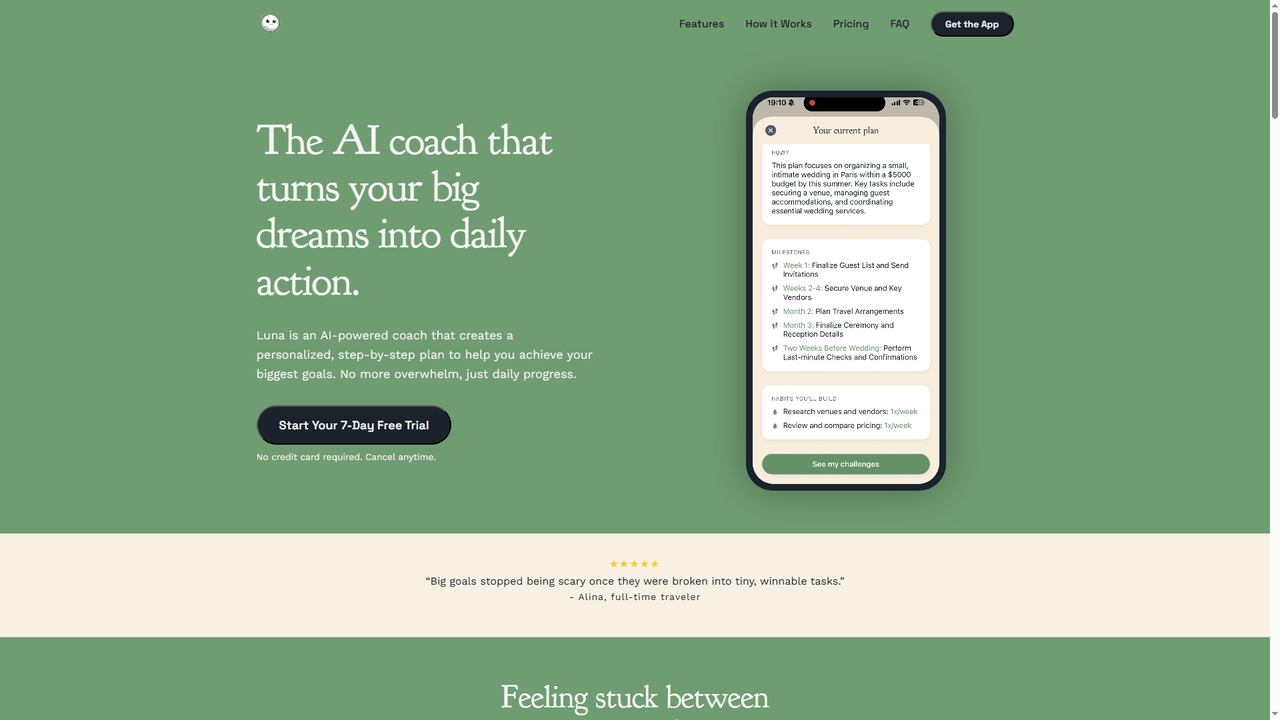
Luna is an AI-powered personal coach designed to help individuals achieve their biggest goals by breaking them down into manageable daily actions. It creates personalized, adaptive plans, provides 24/7 accountability and encouragement, and uses science-backed methods to foster consistent progress, turning overwhelming ambitions into a series of winnable tasks.

Self Improvement
Visits 5.4KFavorites 20Likes 15
Lydertalk

Lydertalk

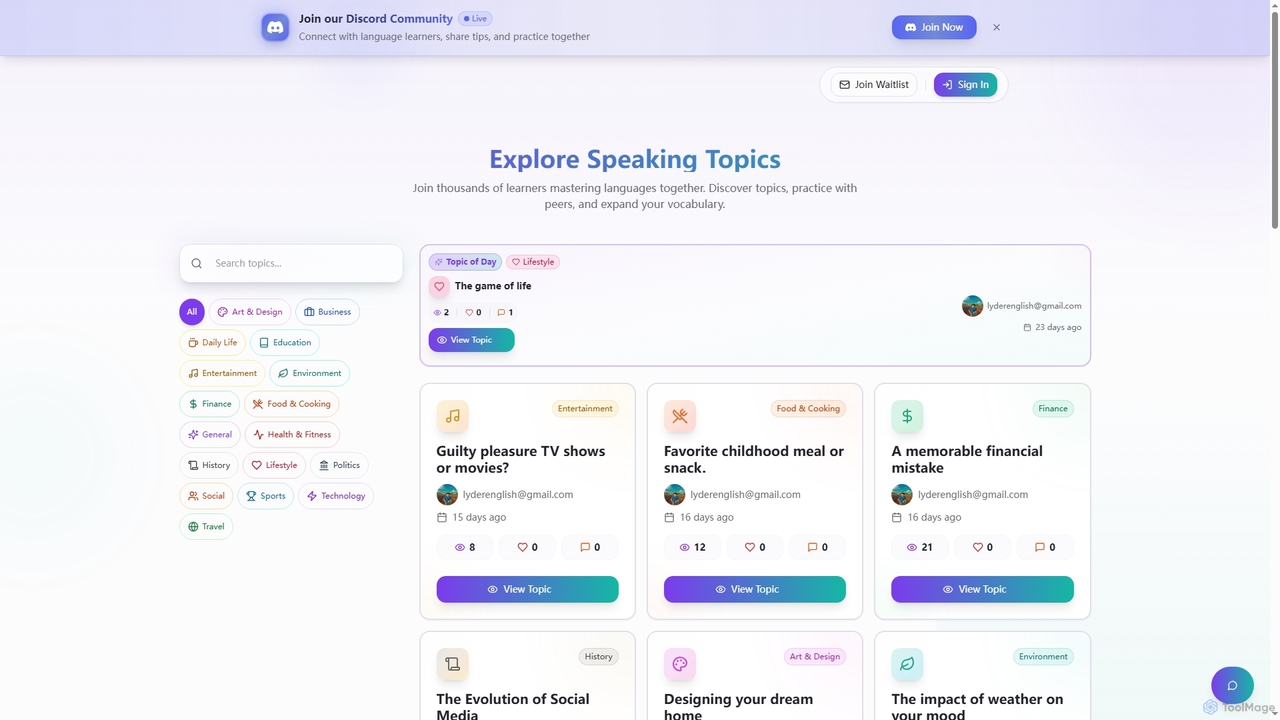
Lydertalk is an online community platform designed for language learners to enhance their speaking skills. It connects thousands of learners through live practice sessions, diverse topics, and peer interaction, fostering vocabulary expansion and fluency in a supportive environment.

Language Exchange
Visits 5.4KFavorites 110Likes 101
QuitPorn.AI
Freemium

QuitPorn.AI

QuitPorn.AI is an AI-powered recovery assistant designed to help users overcome porn addiction. It offers personalized AI counseling, science-backed recovery guides, and easy-to-use tracking tools. The platform provides a private, affordable, and 24/7 accessible solution for individuals seeking to reclaim their freedom and build a more fulfilling life.

Self Improvement
Visits 7.8KFavorites 133Likes 131
Balance
Free

Balance

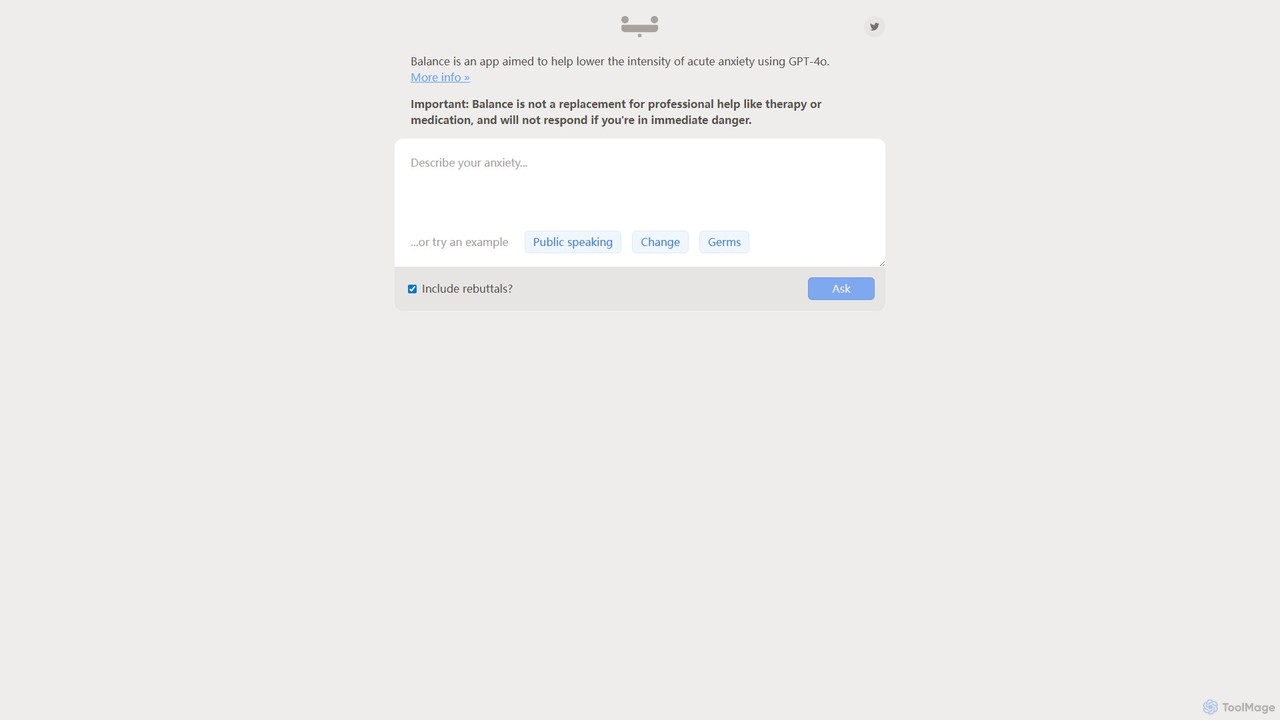
Balance is an AI-powered web app utilizing GPT-4o to help users manage acute anxiety. It employs principles of Cognitive Behavioral Therapy (CBT) to challenge anxious thoughts, providing alternative perspectives and rebuttals to reduce the intensity of stress and worry in real-time.

Self Improvement
Visits 5.4KFavorites 133Likes 129
x_personality
Free

x_personality

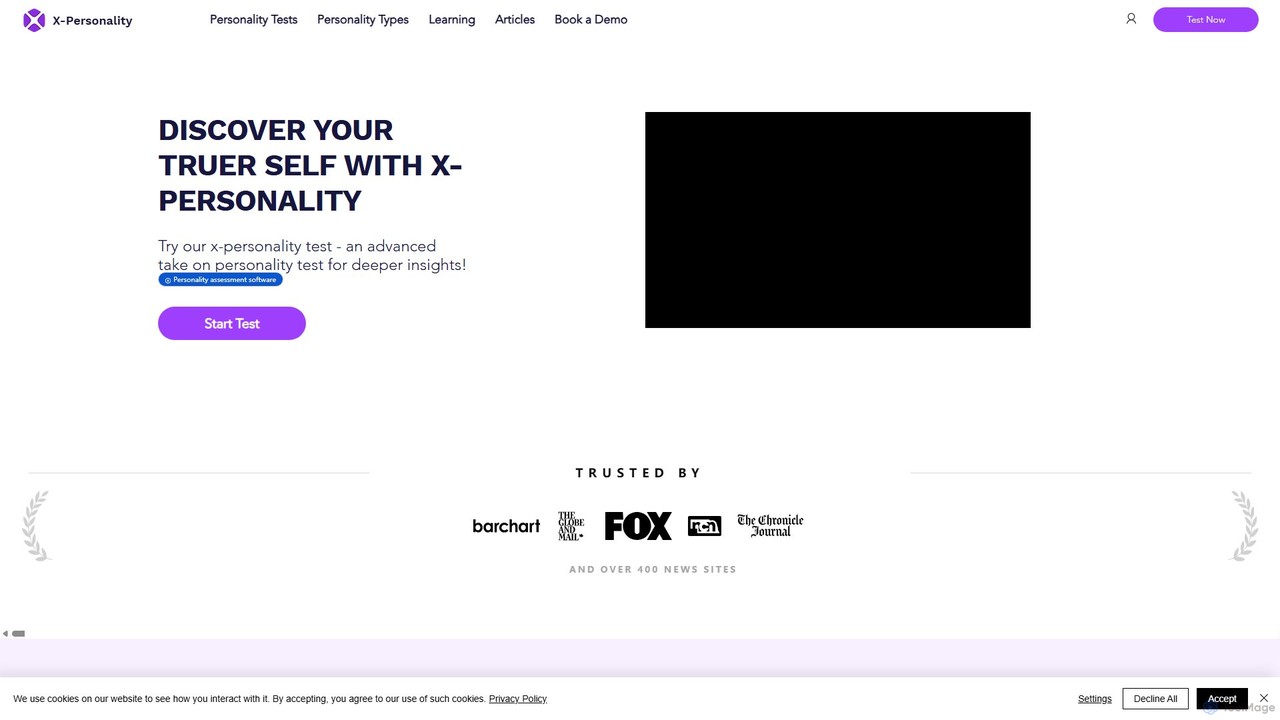
x_personality offers a free, advanced personality test based on the MBTI framework. It expands on the traditional 16 types by introducing four new dimensions: Delay of Gratification, Emotional Stability, Risk Orientation, and Altruism. Users receive a detailed, science-backed report to gain deeper insights into their behavior, career path, relationships, and personal strengths, trusted by millions for actionable self-discovery.

Self Improvement
Visits 16.5KFavorites 148Likes 124
mypairscoach
Free

mypairscoach

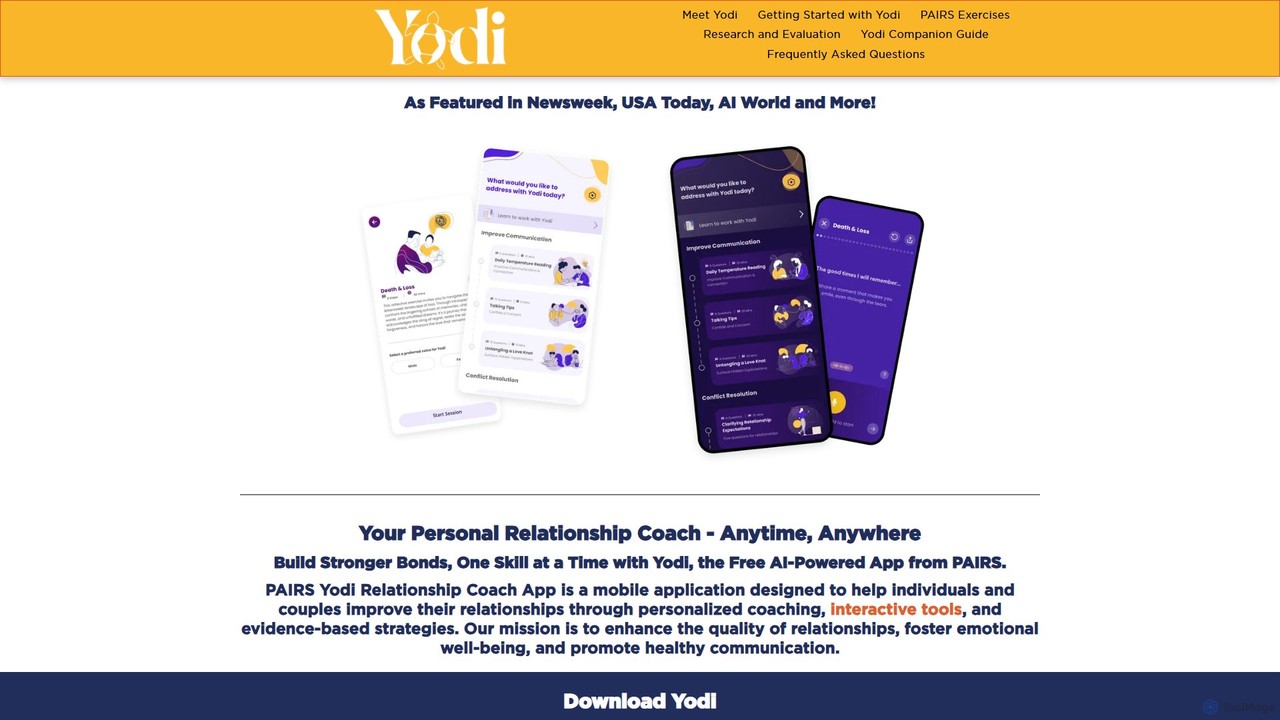
mypairscoach, the PAIRS Yodi App, is a free, AI-powered relationship coach designed to help individuals and couples build stronger bonds. Based on nearly 50 years of research from the PAIRS program, it offers practical exercises for improving communication, resolving conflict, and deepening emotional connection. Available 24/7, Yodi provides a private, non-judgmental space to learn and practice essential relationship skills at your own pace.

Self Improvement
Visits 8.8KFavorites 144Likes 157
Vedic AstroGPT
Freemium

Vedic AstroGPT

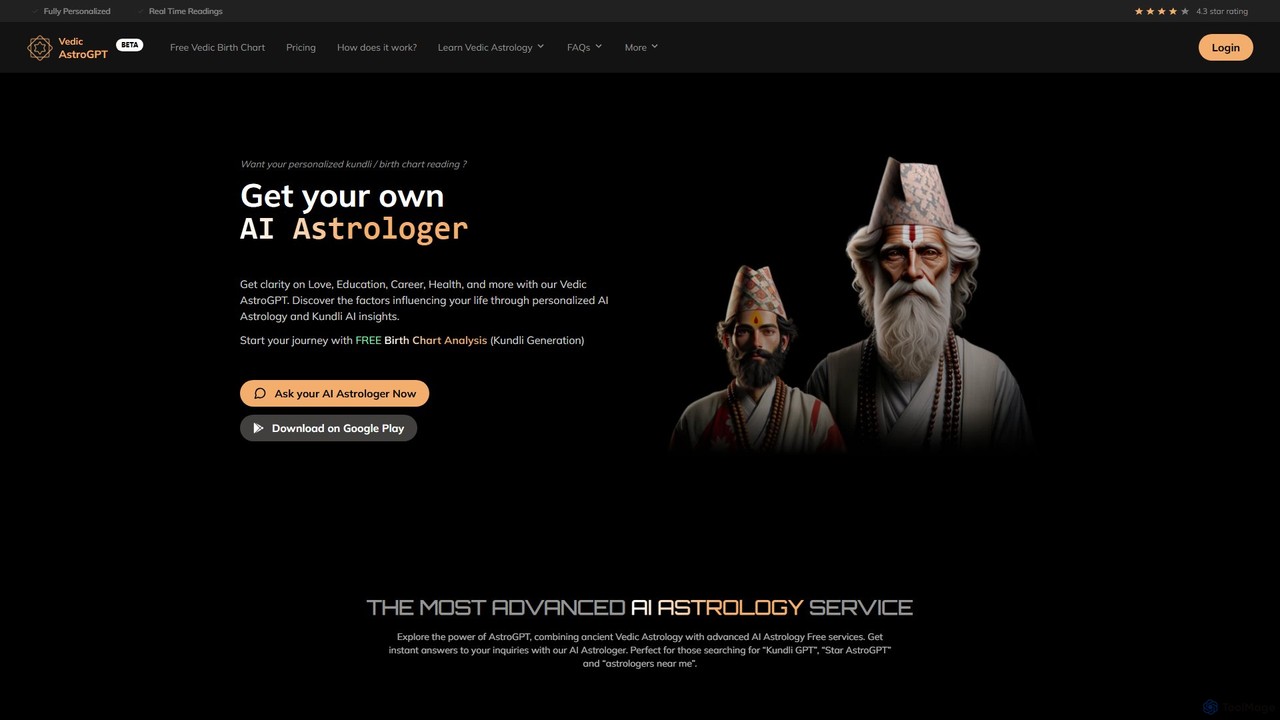
Vedic AstroGPT is an advanced AI-powered platform that combines ancient Vedic astrology with modern artificial intelligence. It provides personalized, real-time astrological readings, birth chart (Kundli) analysis, and answers to specific questions about love, career, health, and more.

Self Improvement
Visits 8.1KFavorites 148Likes 141
Ahead App
Freemium

Ahead App

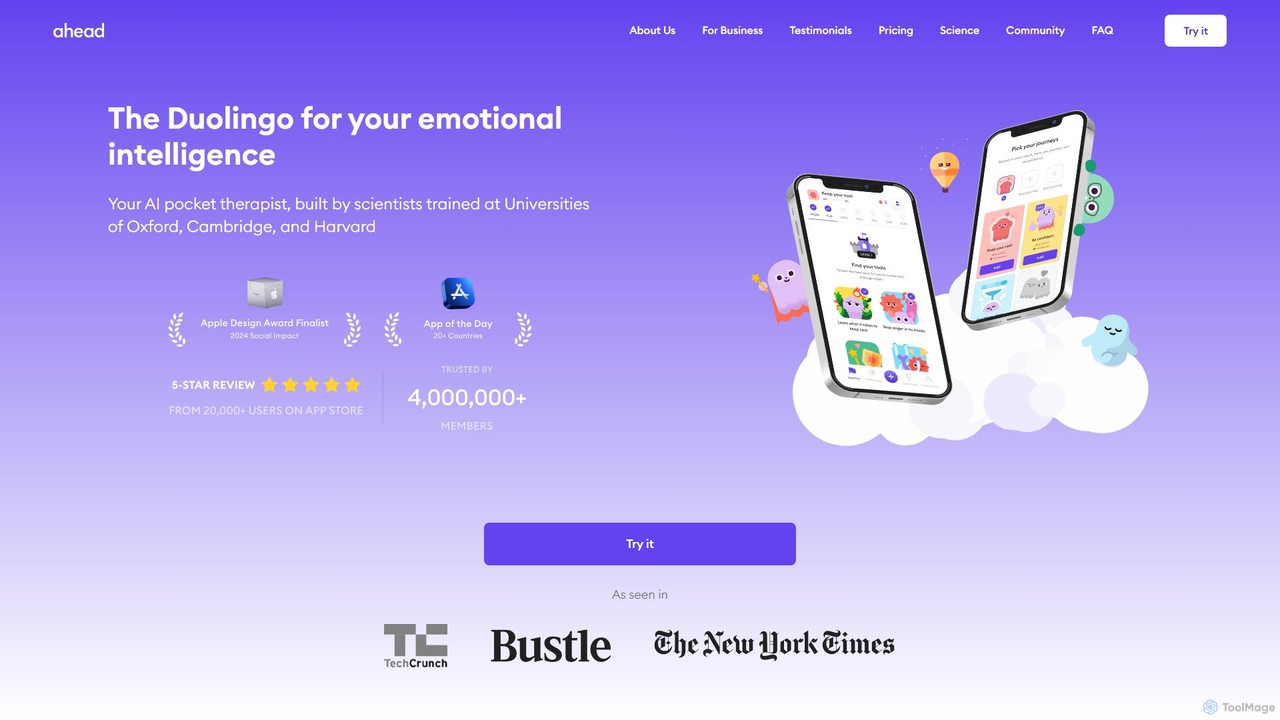
Ahead is an AI-powered pocket coach for emotional intelligence, designed by scientists. It acts as a 24/7 personal therapist, helping users understand and manage their emotions through personalized, science-backed techniques and daily, bite-sized lessons.

Self Improvement
Visits 117KFavorites 137Likes 136
Distortion Catcher

Distortion Catcher

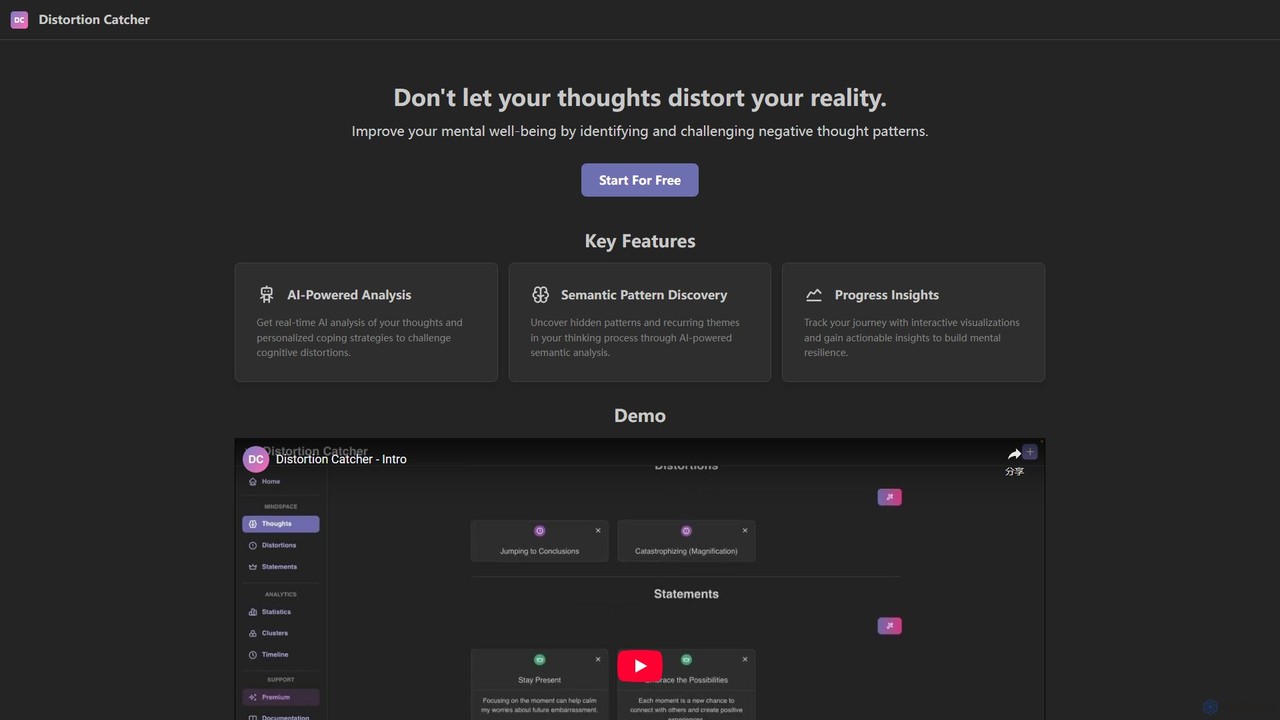
Distortion Catcher is an AI-powered tool designed to help users identify and challenge cognitive distortions. Based on Cognitive Behavioral Therapy (CBT) principles, it provides real-time analysis of your thoughts, uncovers hidden patterns, and offers personalized strategies to build mental resilience and improve overall well-being.

Self Improvement
Visits 5.4KFavorites 124Likes 150

About Self Improvement

AI Self Improvement tools are applications that leverage artificial intelligence to provide personalized guidance for personal and professional growth. They function as digital coaches or mentors, using algorithms to analyze user goals and progress to offer tailored advice and learning paths. These tools empower users to build positive habits, learn soft skills like communication or leadership, and enhance their overall well-being. Unlike broad educational platforms, they focus on holistic, individualized development rather than structured academic curricula.

Core Features

  • Personalized Coaching: Delivers customized feedback and action plans based on individual goals and performance data.
  • Habit Tracking & Formation: Utilizes intelligent reminders and progress analysis to help users build and maintain positive routines.
  • Interactive Skill Modules: Offers AI-driven role-playing and simulations to practice soft skills like negotiation or public speaking.
  • Journaling & Reflection Analysis: Analyzes text entries to provide insights into emotional patterns and mental well-being.
  • Goal-Oriented Learning Paths: Creates structured yet flexible roadmaps for achieving specific personal development objectives.

Use Cases

These tools are widely used by professionals seeking career advancement, students aiming to improve study habits, and any individual focused on enhancing mental wellness or life skills. For example, a manager might use an AI coach to refine their leadership communication, while someone struggling with focus could use a tool to implement a new productivity technique effectively.

How to Choose

When selecting a Self Improvement tool, consider its area of focus—whether it's for skills, habits, or mental wellness. Evaluate the personalization capabilities and the quality of AI-driven feedback. Also, check its integration with other apps like calendars, its data privacy policy, and whether its pricing model aligns with your long-term commitment to personal growth.

Self Improvement use cases

1

Master Public Speaking with an AI Coach

A marketing professional preparing for a major conference uses an AI self-improvement tool to practice their presentation. They record their speech, and the AI provides instant, objective feedback on pacing, use of filler words like 'um' and 'ah,' tone of voice, and even body language via webcam analysis. The tool offers interactive exercises to improve clarity and confidence. This process allows for iterative practice without the pressure of a human audience, helping the professional refine their delivery and present with greater impact.

2

Build a Consistent Daily Meditation Habit

An individual looking to reduce stress and improve focus uses an AI-powered wellness app. The tool first assesses their experience level and goals, then recommends a personalized meditation plan. Each day, it provides guided sessions of varying lengths and styles. The AI tracks consistency, offers gentle reminders, and visualizes progress, creating a positive feedback loop. It can also analyze mood journal entries to suggest specific meditations for anxiety or focus, making the practice more relevant and effective.

3

Enhance Leadership and Communication Skills

A newly promoted team lead uses an AI coaching platform to develop essential soft skills. The tool presents them with realistic management scenarios, such as giving constructive feedback or resolving team conflicts, through interactive role-playing with an AI character. After each simulation, the AI analyzes their conversational choices, tone, and empathy, providing a detailed breakdown of strengths and areas for improvement. This safe, repeatable practice helps them build confidence and competence in their new role.

4

Improve Productivity and Time Management

A freelancer struggling with deadlines and procrastination adopts an AI-driven productivity tool. The application helps them break down large projects into manageable tasks using AI suggestions. It analyzes their work patterns to identify peak productivity hours and recommends an optimal daily schedule. By integrating with their calendar and providing intelligent reminders, the tool helps them stay on track, minimize distractions, and build a more structured and efficient workflow, ultimately reducing stress and improving client satisfaction.

5

Cultivate Emotional Intelligence through AI Journaling

A user seeking better self-awareness engages with an AI journaling application. They write daily entries about their thoughts, feelings, and experiences. The tool's natural language processing (NLP) algorithm analyzes the text to identify recurring emotional patterns, sentiment shifts, and potential triggers for stress or happiness. It then presents these insights through visualizations and gentle prompts, encouraging deeper reflection. This process helps the user understand their emotional landscape and develop healthier coping mechanisms.

6

Create a Personalized Fitness and Nutrition Plan

Someone aiming for a healthier lifestyle uses an AI self-improvement app focused on physical well-being. Based on their goals, dietary preferences, and current fitness level, the AI generates a customized weekly meal plan and workout schedule. The tool adapts in real-time, adjusting workout intensity based on logged performance and suggesting recipe modifications based on available ingredients. This continuous personalization ensures the plan remains challenging, engaging, and aligned with their progress, increasing the likelihood of long-term success.

Self Improvement FAQ

What are AI Self Improvement tools?

AI Self Improvement tools are applications that use artificial intelligence to provide personalized support for personal growth. They act as digital coaches, mentors, or trackers, helping users develop new skills, build positive habits, and enhance their mental and emotional well-being. Unlike generic apps, they adapt to your specific goals and progress, offering tailored feedback, customized learning paths, and intelligent insights to guide your development journey.

How do I choose the right AI tool for my personal growth?

To choose the right tool, first clarify your primary goal: are you focused on career skills, habit formation, mental wellness, or physical health? Then, consider these factors:

  • Specialization: Select a tool that excels in your target area (e.g., communication coaching, meditation guidance).
  • Personalization Method: Evaluate how the AI tailors its advice. Does it use your journal entries, performance data, or initial questionnaires?
  • Feedback Quality: Look for tools that provide specific, actionable feedback rather than generic encouragement.
  • Data Privacy: Since you'll be sharing personal data, ensure the tool has a clear and strong privacy policy.
What's the difference between AI Self Improvement tools and standard productivity apps?

The key difference lies in their core function and intelligence. Standard productivity apps, like to-do lists or calendars, are passive tools that help you organize tasks you've already defined. AI Self Improvement tools are active partners in your growth. They don't just track tasks; they analyze your behavior, provide coaching, suggest new habits, and create personalized plans to help you improve skills or well-being. They focus on the 'how' and 'why' of your development, not just the 'what'.

What kind of skills can I develop with these AI tools?

AI Self Improvement tools can help you develop a wide range of soft and hard skills. Common areas include:

  • Communication Skills: Public speaking, active listening, and giving constructive feedback.
  • Leadership & Management: Delegation, motivation, and conflict resolution.
  • Cognitive Skills: Critical thinking, problem-solving, and time management.
  • Personal Wellness: Mindfulness, stress management, and emotional regulation.
  • Habit Formation: Building routines for exercise, reading, or learning.
Are AI Self Improvement tools a replacement for human therapists or coaches?

No, AI Self Improvement tools are not a replacement for licensed human professionals like therapists or certified coaches, especially for clinical mental health issues. They should be viewed as supplementary tools that provide accessible, on-demand support for skill-building, habit tracking, and general well-being. They are excellent for practicing skills, gaining self-awareness, and maintaining motivation, but they cannot provide the nuanced, empathetic, and professional diagnosis or treatment that a human expert can offer.