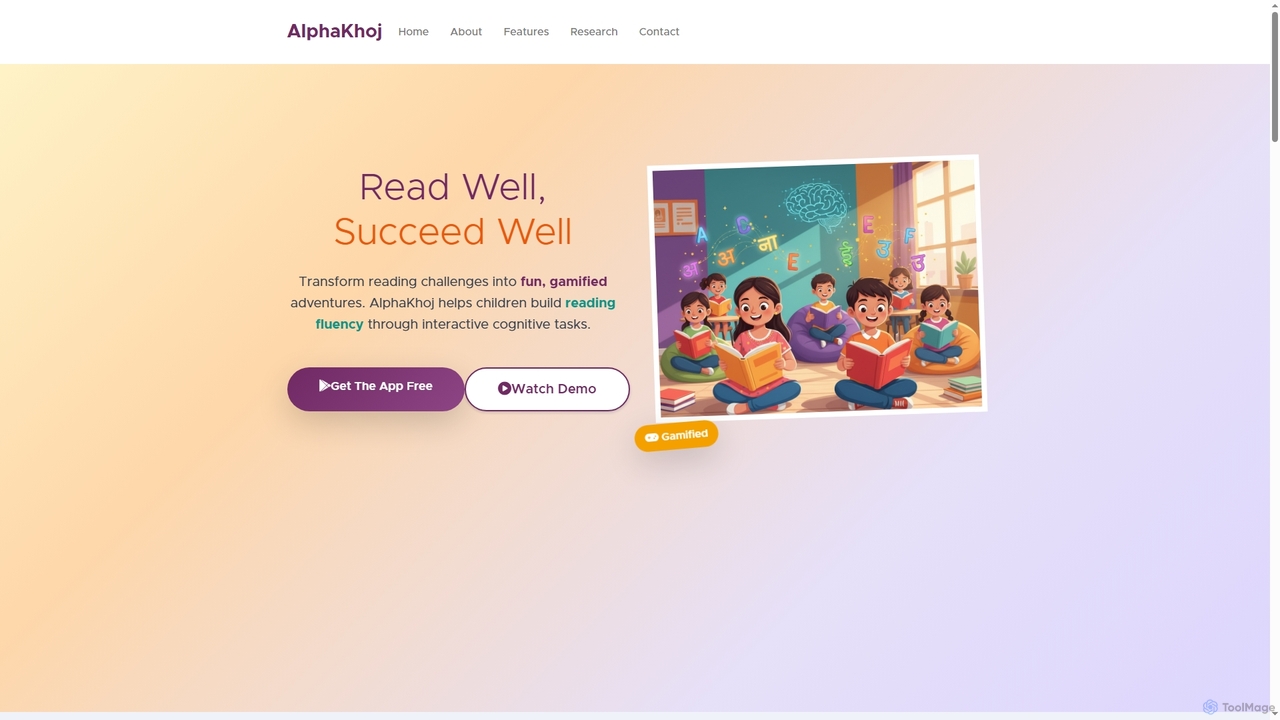
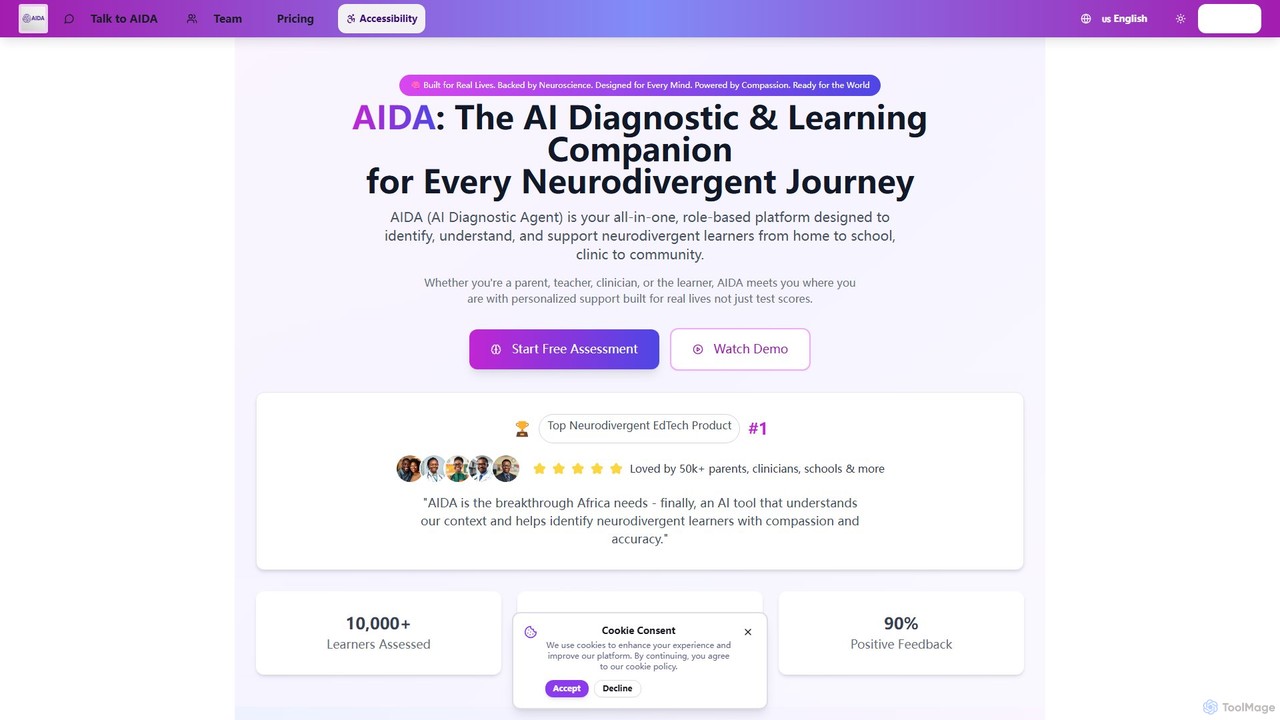
Special Education AI tools are a category of AI-powered solutions specifically designed to support students with diverse learning needs, disabilities, and developmental differences. These tools leverage advanced algorithms, machine learning, and natural language processing to offer personalized learning experiences, adaptive assessments, and assistive technologies. They aim to foster inclusive educational environments, enhance accessibility, and provide tailored support that addresses individual student requirements, ultimately improving learning outcomes and promoting greater independence.
Core Features
- Personalized Learning Paths: Adapts content and pace to individual student needs and learning styles.
- Assistive Communication: Provides speech-to-text, text-to-speech, and augmentative communication aids.
- Behavioral Analysis & Support: Monitors and provides insights into student behavior, offering intervention strategies.
- Adaptive Assessments: Adjusts difficulty and format of evaluations based on student performance and progress.
- Content Accessibility Tools: Transforms educational materials into accessible formats for various disabilities.
Applicable Scenarios
These tools are invaluable for educators, therapists, and parents working with students requiring specialized support. They are used in classrooms to differentiate instruction for students with dyslexia or ADHD, in therapy sessions to aid communication for non-verbal learners, and at home to reinforce learning for children on the autism spectrum. They also assist in developing individualized education programs (IEPs) by providing data-driven insights into student progress and needs.
How to Choose
When selecting Special Education AI tools, prioritize solutions with robust accessibility features, data privacy compliance, and customization options to meet diverse student needs. Consider the tool's integration capabilities with existing educational platforms and IEP systems, its ease of use for both educators and students, and the quality of its adaptive learning algorithms. Evaluate the availability of comprehensive training and ongoing support to ensure effective implementation.