Engineering Best in category 1 results Project Management AI Tool

Popular AI tools in the Project Management field of Engineering include kabeltec, etc., helping you quickly improve efficiency.

kabeltec

kabeltec

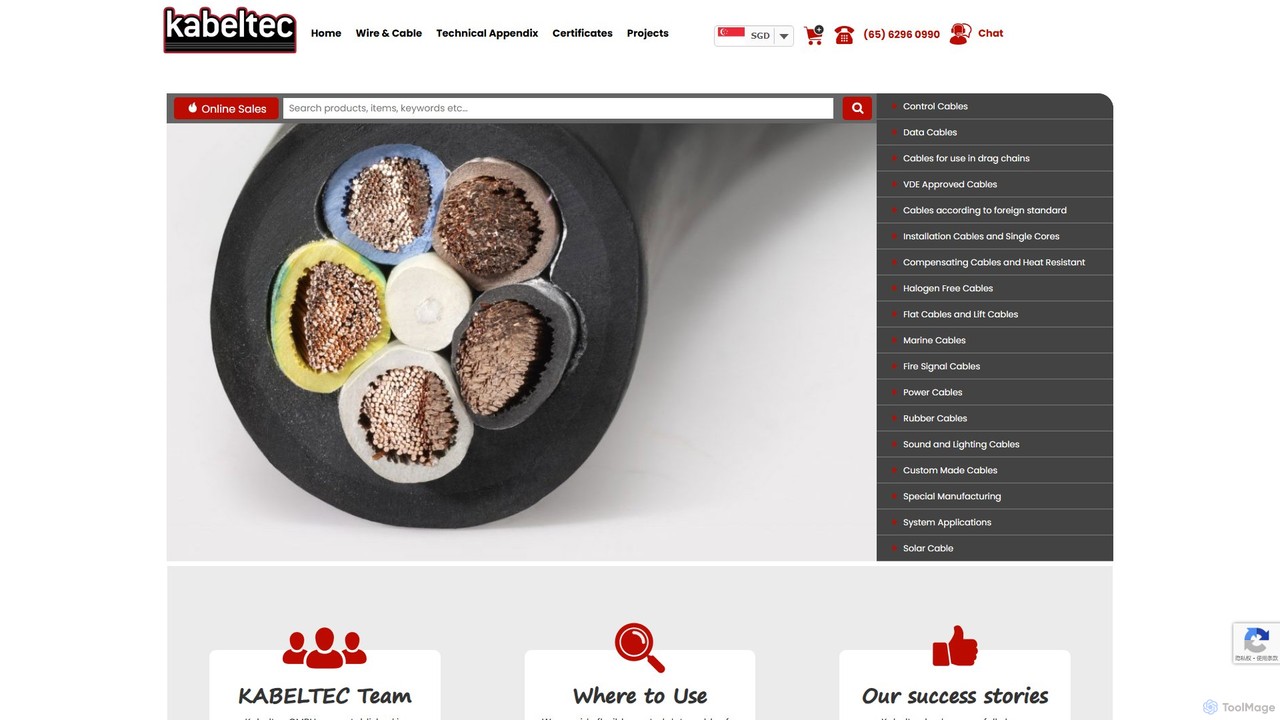
Kabeltec is a global manufacturer and supplier of specialized industrial and electrical cables. Originating from Germany, it provides …

3.7K

About Project Management

AI Project Management tools are a class of software that leverages artificial intelligence to automate, predict, and optimize project planning and execution. They utilize machine learning algorithms to analyze historical data, forecast timelines, and intelligently allocate resources. This enables teams, particularly in complex fields like engineering, to proactively identify risks, streamline workflows, and make data-driven decisions, significantly improving project success rates.

Core Features

  • Predictive Scheduling & Forecasting: Analyzes task dependencies and historical performance to predict completion dates and identify potential delays.
  • Automated Task Assignment: Intelligently suggests or assigns tasks to team members based on their skills, workload, and availability.
  • AI-Powered Risk Detection: Proactively scans project data, communications, and progress reports to flag potential risks and bottlenecks.
  • Intelligent Resource Optimization: Recommends the optimal allocation of personnel and resources to maximize efficiency and stay within budget.
  • Automated Status Reporting: Generates concise, natural-language summaries of project progress, highlighting key achievements and areas needing attention.

Use Cases

These tools are valuable for software development teams managing complex sprints, construction firms coordinating multiple subcontractors, and marketing agencies juggling numerous client campaigns. They help product managers in tech companies forecast release dates and engineering leads to balance resource allocation across multiple projects.

How to Choose

When selecting an AI Project Management tool, evaluate its predictive accuracy and the data it uses for forecasting. Consider its integration capabilities with your existing stack (e.g., Git, Slack, Figma). Assess the level of automation provided for task management and reporting, and ensure the user interface is intuitive for your team's technical level.

Project ManagementUse Cases

1

Automating Software Development Sprint Planning

For a software engineering manager, planning a two-week sprint involves balancing new features, bug fixes, and technical debt. An AI Project Management tool automates this by analyzing the backlog, estimating task complexity based on historical data, and suggesting an optimal sprint plan. It automatically assigns tasks to developers based on their expertise and current workload, identifies potential dependency conflicts, and predicts the likelihood of completing all tasks on time. This transforms a multi-hour manual planning session into a streamlined, data-validated process.

2

Predicting Budget Overruns in Construction Projects

A construction project manager oversees numerous variables like material costs, labor availability, and weather delays. An AI tool continuously analyzes real-time data from suppliers, timesheets, and progress reports. It uses predictive models to forecast potential budget overruns weeks in advance, flagging specific line items at risk. This allows the manager to take corrective action, such as renegotiating with a supplier or reallocating labor, before the budget deviation becomes critical, ensuring financial stability.

3

Optimizing Resource Allocation in a Marketing Agency

A marketing agency director juggles multiple client campaigns simultaneously, each with unique deadlines and resource needs. An AI Project Management tool provides an intelligent overview of the entire team's capacity. It recommends which designer, copywriter, or strategist is best suited for new tasks based on their skills and current availability. The system can simulate the impact of taking on a new project, helping the director make informed decisions about capacity planning and preventing team burnout.

4

Proactive Risk Identification for Product Launches

A product manager preparing for a major launch coordinates across engineering, marketing, and sales. The AI tool analyzes communication channels like Slack and email, along with task progress, to identify potential risks. It might flag a sentiment shift in team communications or notice a critical engineering task that is falling behind schedule. It then automatically surfaces this risk in a dashboard, allowing the manager to intervene early and keep the launch on track.

5

Generating Automated Weekly Progress Reports

Team leads often spend hours each week compiling progress reports for stakeholders. An AI Project Management tool automates this entirely. It synthesizes data from completed tasks, time tracking, and project milestones to generate a clear, natural-language summary. The report can highlight key achievements, identify bottlenecks, and provide an updated forecast for project completion, all without manual input. This frees up the lead's time for strategic work and ensures consistent, data-driven communication.

6

Streamlining Client Project Onboarding

For a consulting firm, onboarding a new client project involves creating a detailed project plan, assigning a team, and setting up timelines. An AI tool can use templates and historical data from similar projects to automatically generate a draft project plan. It suggests a timeline, breaks down major deliverables into initial tasks, and recommends a team composition based on required skills. This reduces the setup time from days to hours, allowing the team to start delivering value to the client much faster.

Project ManagementFrequently Asked Questions