ToolMage
Sign in

Best 1 Entertainment AI tools for Events

Popular Entertainment AI tools in Events include Photobooth AI, helping you work more efficiently.

Photobooth AI
Freemium

Photobooth AI

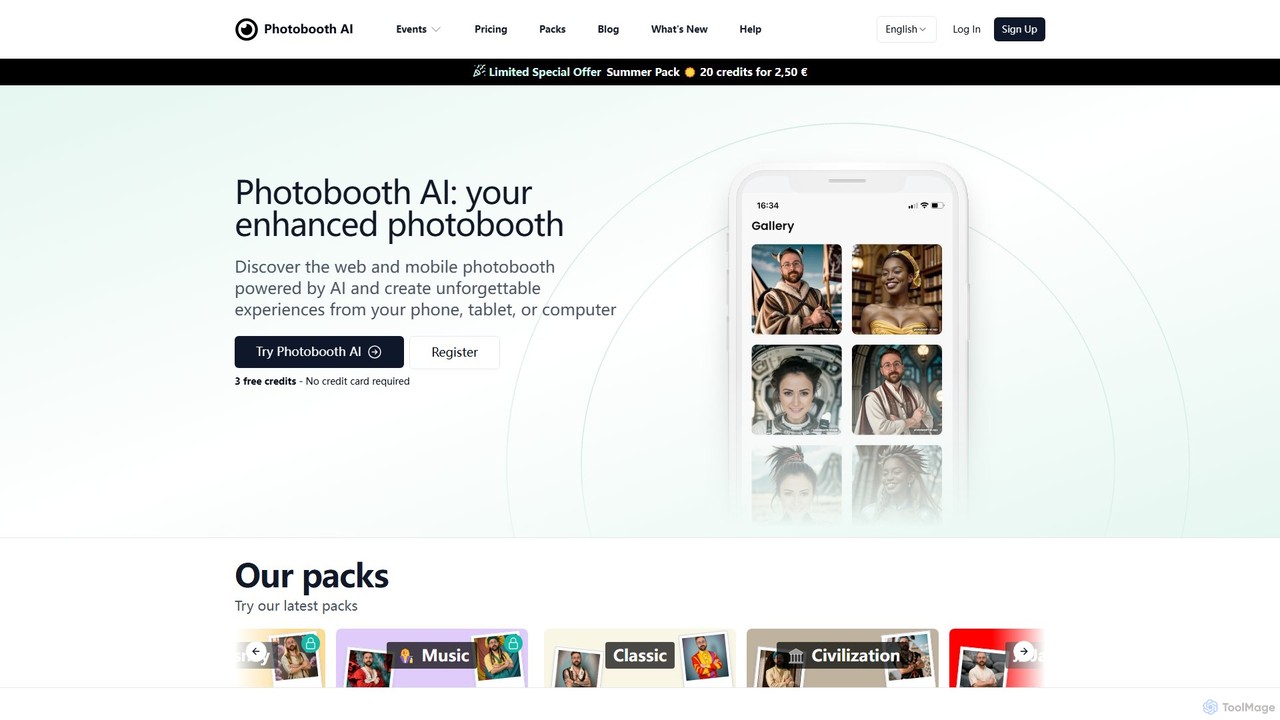
Photobooth AI is an innovative application that transforms any phone, tablet, or computer into an AI-powered photobooth. Perfect for events like weddings, parties, and corporate functions, it allows guests to create unique, stylized portraits in real-time. Users can choose from a vast library of styles or create their own, offering a memorable and interactive experience.

Entertainment
Visits 8.7KFavorites 160Likes 155

About Entertainment

AI Entertainment tools are applications designed to generate, personalize, and enhance amusing or engaging experiences using artificial intelligence. These tools often employ generative models and interactive algorithms to create unique content such as games, music, stories, or visual art on demand. They are primarily used to provide novel forms of recreation, facilitate creative expression, and add a dynamic, personalized layer to leisure activities. Unlike tools for event logistics, AI Entertainment tools focus specifically on creating the fun and interactive content itself.

Core Features

  • Interactive Content Generation: Creates games, quizzes, and narrative experiences that adapt to user input.
  • Personalized Media Creation: Generates custom music, images, or stories based on specific prompts or preferences.
  • AI Character Simulation: Enables interaction with virtual characters for role-playing, storytelling, or companionship.
  • Procedural Generation: Automatically creates unique game levels, puzzles, or artistic patterns for endless variety.

Use Cases

These tools are ideal for individuals seeking creative hobbies, families looking for new ways to play, and social groups wanting unique party games. They are also used by content creators to generate engaging material and by event organizers to add interactive digital attractions to gatherings.

How to Choose

When selecting an AI Entertainment tool, consider the type of content you want to create (e.g., music, games, text). Evaluate the level of customization and user control offered. Also, check for platform compatibility (web, mobile, VR) and options for sharing or exporting the generated content.

Entertainment use cases

1

Generate a Custom Party Trivia Game

A user planning a friend's birthday party wants a unique activity. They use an AI Entertainment tool to create a personalized trivia game. By inputting facts about the birthday person—their hobbies, favorite quotes, and memorable moments—the AI generates a multi-round quiz with witty questions and multiple-choice answers. The tool can even create humorous, AI-generated images for certain questions. This saves hours of manual research and question writing, resulting in a highly personal and engaging game that becomes the highlight of the party.

2

Create Interactive Bedtime Stories

A parent seeks to make storytime more engaging for their child. Using an AI story generator, they can co-create a new adventure every night. The parent or child provides a prompt, such as "a brave squirrel who wants to fly to the moon." The AI then generates a narrative, allowing the child to make choices at key plot points that alter the story's direction. This transforms a passive listening experience into an interactive one, fostering creativity and ensuring a unique tale for every bedtime.

3

Design a Virtual Team-Building Escape Room

A remote team manager needs an engaging activity for their next virtual offsite. They use an AI tool specialized in generating puzzles and narratives. The manager sets a theme, like "Cyberpunk Heist," and specifies the difficulty level. The AI then creates a series of interconnected logic puzzles, riddles, and a compelling storyline for the team to solve collaboratively. This provides a ready-made, professional-quality team-building exercise without requiring specialized game design skills, promoting teamwork and problem-solving in a fun environment.

4

Experiment with AI Music Composition

A hobbyist musician or content creator wants to produce original background music without extensive composition knowledge. They use an AI music generation tool, selecting a genre (e.g., lo-fi, cinematic, electronic), a mood (e.g., relaxed, epic, mysterious), and a duration. The AI composes a royalty-free track that fits these parameters. The user can then regenerate variations or tweak specific elements like instrumentation. This provides a quick and accessible way to create custom soundtracks for videos, podcasts, or personal enjoyment.

5

Engage in AI-Powered Role-Playing Adventures

A fan of fantasy and role-playing games (RPGs) desires a solo adventure with unlimited freedom. They use an AI Dungeon Master or text-adventure tool. The user describes their character and starts the journey with a simple prompt. The AI acts as the game master, describing the world, controlling non-player characters (NPCs), and reacting dynamically to any action the user types. This creates a deeply immersive and unpredictable storytelling experience that is entirely unique to the player's choices, offering endless replayability.

6

Create Humorous Art for Social Sharing

During a social gathering, a group of friends wants a fun, creative activity. They use an AI image generator on a shared screen. Each person takes turns coming up with absurd or funny prompts, often referencing inside jokes or pop culture. The AI instantly visualizes these ideas, producing a series of hilarious and surreal images. The group can then vote on the best ones and share them on social media. This serves as a modern, digital party game that sparks laughter and creates unique, shareable mementos of their time together.

Entertainment FAQ

What are AI Entertainment tools?

AI Entertainment tools are applications that use artificial intelligence to create, personalize, or facilitate recreational experiences. They primarily focus on generating content like games, music, stories, and art for amusement. Unlike productivity software, their goal is to engage, entertain, and inspire creativity. Key features often include interactive storytelling, procedural content generation, and AI character simulation, making them suitable for personal hobbies, social activities, and creative projects.

How do I choose the right AI Entertainment tool?

To choose the right tool, first identify your primary goal: are you looking to create music, art, games, or stories? Then, consider these factors:

  • Ease of Use: Look for a tool with an intuitive interface that matches your technical skill level.
  • Customization: Evaluate how much control you have over the final output. Can you tweak details or are you limited to presets?
  • Output Quality & Style: Check examples of content created by the tool to see if its aesthetic matches your taste.
  • Platform & Sharing: Ensure the tool works on your preferred device (web, mobile) and allows you to easily share or export your creations.
What's the difference between AI Entertainment and AI Event Planning tools?

The key difference lies in their focus. AI Event Planning tools (the parent category) are for logistics and management—they help with tasks like scheduling, guest list management, budgeting, and finding venues. Their goal is to organize an event efficiently. In contrast, AI Entertainment tools focus on the content and experience *within* the event or for personal leisure. They create the fun itself, such as generating a party game, composing a playlist, or designing an interactive experience for guests.

What kind of entertainment can I create with these AI tools?

AI Entertainment tools enable a wide range of creative outputs. You can generate personalized trivia quizzes for parties, create unique bedtime stories with branching narratives for children, compose original music tracks in various genres without musical training, design puzzles for virtual escape rooms, or interact with AI characters in dynamic role-playing games. You can also generate humorous or artistic images from text prompts, providing a source of fun for social gatherings or creative inspiration.

Are AI Entertainment tools difficult for beginners to use?

Most AI Entertainment tools are designed to be user-friendly and accessible to beginners with no technical background. They typically rely on simple interfaces where users input text prompts, select options from menus, or make straightforward choices. The complex AI processes happen in the background. While some advanced tools offer deeper customization for experts, the core functionality of most platforms is built for immediate engagement, allowing anyone to start creating fun and unique content within minutes.