Seymour Events
Seymour Events provides AI-powered real-time captions and multi-language translations for live events. Designed for inclusivity, it makes conferences, …
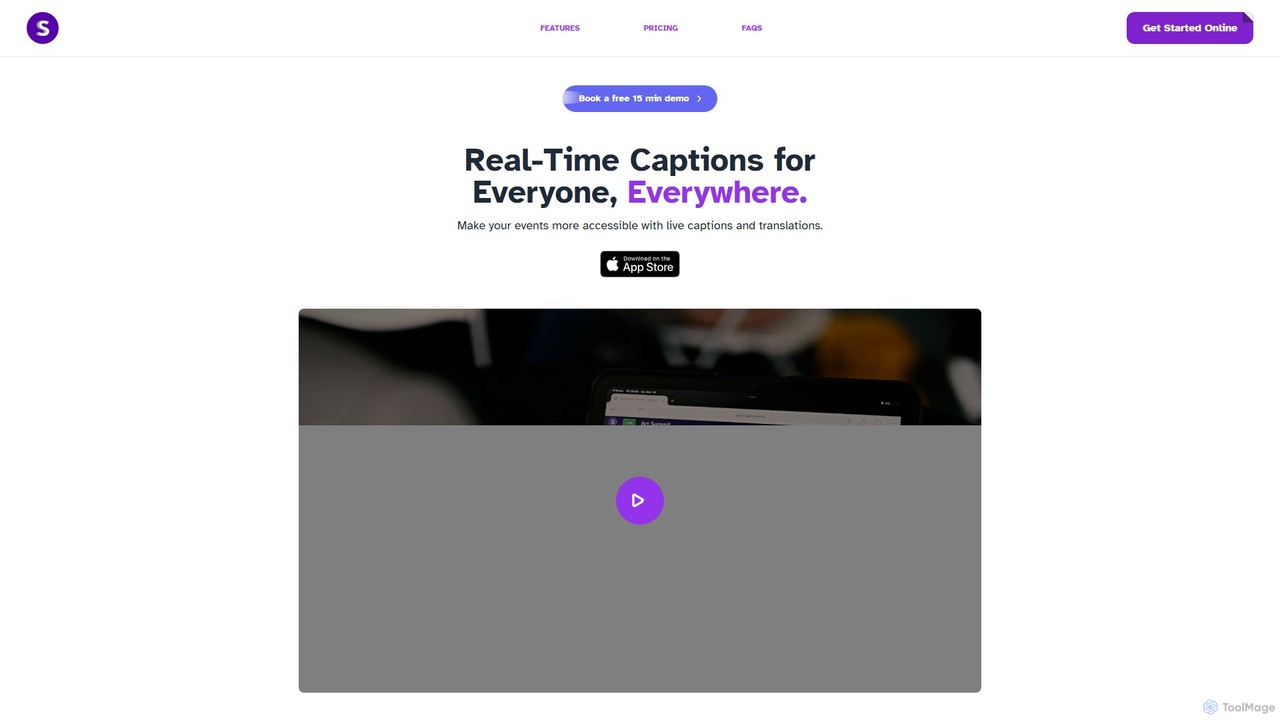
Seymour Events provides AI-powered real-time captions and multi-language translations for live events. Designed for inclusivity, it makes conferences, meetings, and performances accessible to Deaf, Hard of Hearing, and language-diverse audiences. The platform is easy to use for sound technicians, requires no special hardware, and offers a seamless viewing experience for attendees on any device via a simple link.
Evant
Evant is an SMS-based community engagement and event management platform. It simplifies event organization through Text-to-RSVP, targeted text …
Evant is an SMS-based community engagement and event management platform. It simplifies event organization through Text-to-RSVP, targeted text messaging, and real-time attendee management. Designed to increase response rates and reduce no-shows, Evant offers a streamlined, app-free experience for both organizers and participants, complete with analytics and payment integration.
CommonAR
CommonAR is an AI-powered networking app that uses facial recognition and augmented reality to enhance in-person events. It …
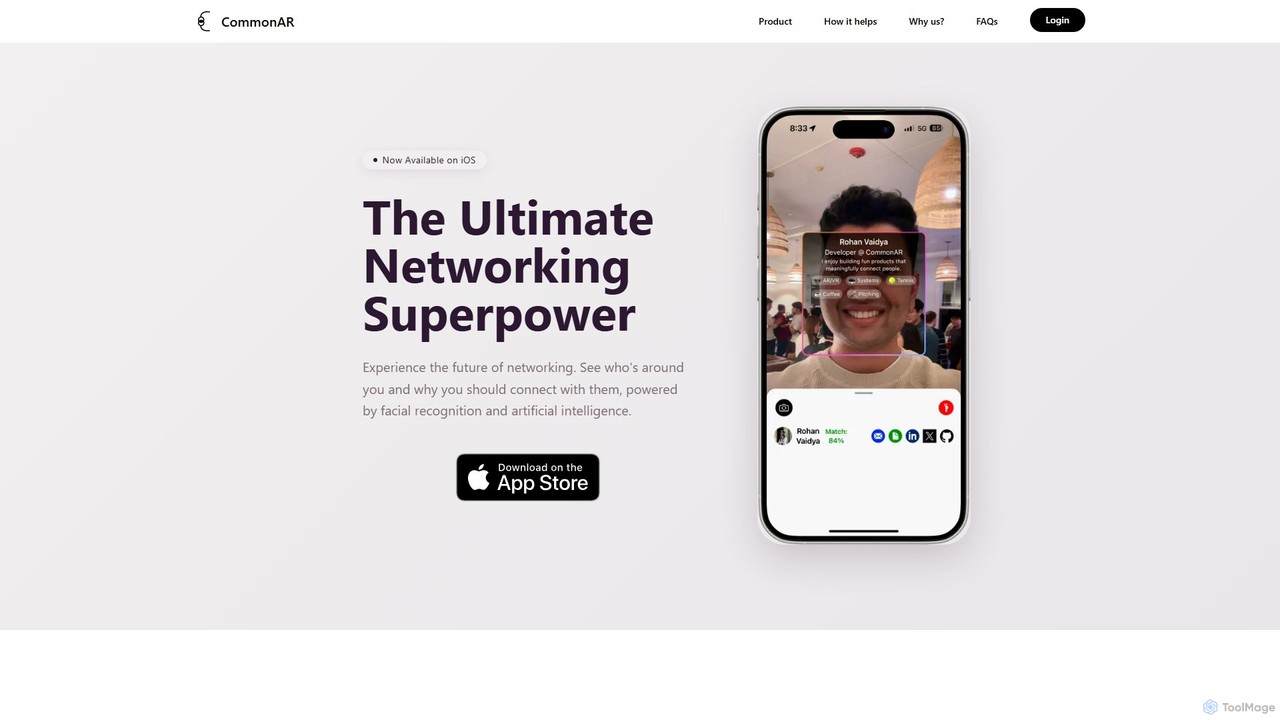
CommonAR is an AI-powered networking app that uses facial recognition and augmented reality to enhance in-person events. It helps you identify people around you, understand why you should connect, and provides conversation starters to foster meaningful interactions.
About Management
AI Event Management tools are specialized platforms that use artificial intelligence to automate and optimize the entire lifecycle of an event. Leveraging machine learning and data analytics, these tools streamline tasks from initial planning and promotion to attendee engagement and post-event analysis. They help event organizers create more personalized experiences, improve operational efficiency, and gain deeper insights into event performance. Unlike traditional event software, AI-powered solutions can predict attendance, recommend networking connections, and personalize content for attendees in real-time.
Core Features
- Intelligent Scheduling: Automatically generates optimized event agendas based on speaker availability, topic popularity, and attendee preferences.
- Personalized Attendee Experience: Recommends relevant sessions, exhibitors, and networking opportunities to each individual based on their profile and behavior.
- Automated Marketing & Communication: Creates and sends targeted promotional emails, reminders, and follow-ups to specific attendee segments.
- Real-time Analytics & Insights: Provides live dashboards on registration numbers, session attendance, engagement levels, and overall event ROI.
- Smart Registration & Ticketing: Simplifies the sign-up process with intelligent forms, dynamic pricing, and automated confirmations.
Use Cases
These tools are ideal for corporate event planners managing large-scale conferences, trade shows, and product launches. Marketing teams use them to organize engaging webinars and virtual summits. Additionally, universities and professional associations rely on them to efficiently manage academic conferences and community gatherings, from call for papers to post-event feedback collection.
How to Choose
When selecting an AI Event Management tool, first consider the event types it supports (virtual, hybrid, in-person). Evaluate its integration capabilities with your existing CRM and marketing platforms. Assess its scalability to ensure it can handle your expected number of attendees and sessions. Finally, examine the depth of its analytics and reporting features to measure event success and ROI effectively.
ManagementUse Cases
Automating a Large-Scale Tech Conference
An event planner for a global tech conference with over 5,000 attendees and 200+ sessions uses an AI management tool to streamline operations. The AI analyzes attendee profiles and interests to generate personalized schedules, suggesting the most relevant talks and workshops for each person. It also optimizes the overall event agenda by identifying potential scheduling conflicts and suggesting adjustments to maximize attendance at key sessions. This automation reduces manual planning time by weeks and increases attendee satisfaction by providing a highly relevant, customized experience.
Optimizing a Virtual Marketing Summit
A marketing team hosts a multi-day virtual summit. They use an AI event platform to enhance attendee engagement. The tool's AI matchmaking algorithm connects attendees with similar professional interests for virtual networking sessions. During live Q&A, the AI categorizes incoming questions by topic and upvotes the most relevant ones, helping moderators address the most pressing audience concerns. Post-event, the AI analyzes engagement data to identify the most popular sessions and topics, providing valuable insights for planning future content and events.
Streamlining University Symposium Registration
An academic coordinator for a university symposium uses an AI management tool to handle registrations and abstract submissions. The platform's smart forms automatically validate submissions for completeness and format requirements, reducing administrative workload. The AI also assists in the peer-review process by suggesting suitable reviewers for each paper based on keywords and research interests. This streamlines the entire pre-event process, allowing the coordinator to focus on event logistics and content quality rather than tedious administrative tasks.
Personalizing Networking at a Trade Show
An organizer of a large B2B trade show deploys an AI-powered event app to facilitate networking. Before the event, attendees and exhibitors complete profiles detailing their business goals and interests. The AI algorithm then analyzes this data to provide each user with a personalized list of recommended connections. During the show, the app sends push notifications for relevant meetups and helps schedule one-on-one meetings, transforming a potentially overwhelming experience into a highly productive one by ensuring attendees connect with the right people and businesses.
Boosting Ticket Sales with Targeted Promotion
An event marketing manager for a music festival uses an AI platform to maximize ticket sales. The AI analyzes historical sales data and social media trends to identify high-potential audience segments. It then automates targeted ad campaigns on social media and via email, tailoring the messaging and offers to different groups (e.g., early-bird discounts for past attendees, genre-specific ads for new audiences). This data-driven approach significantly improves conversion rates and marketing ROI compared to broad, untargeted promotional efforts.
Post-Event ROI Analysis and Reporting
After a corporate product launch, a business analyst uses the AI event tool's analytics dashboard to measure success. The AI automatically generates a comprehensive report detailing key metrics like attendee engagement scores, lead generation from exhibitor booths, session popularity, and social media sentiment. It correlates this data with CRM information to calculate a precise return on investment (ROI). This allows the team to demonstrate the event's value to stakeholders and provides data-backed recommendations for improving future events.