Gatherly
Gatherly is an immersive virtual event platform that transforms static video calls into dynamic, interactive experiences. It creates …
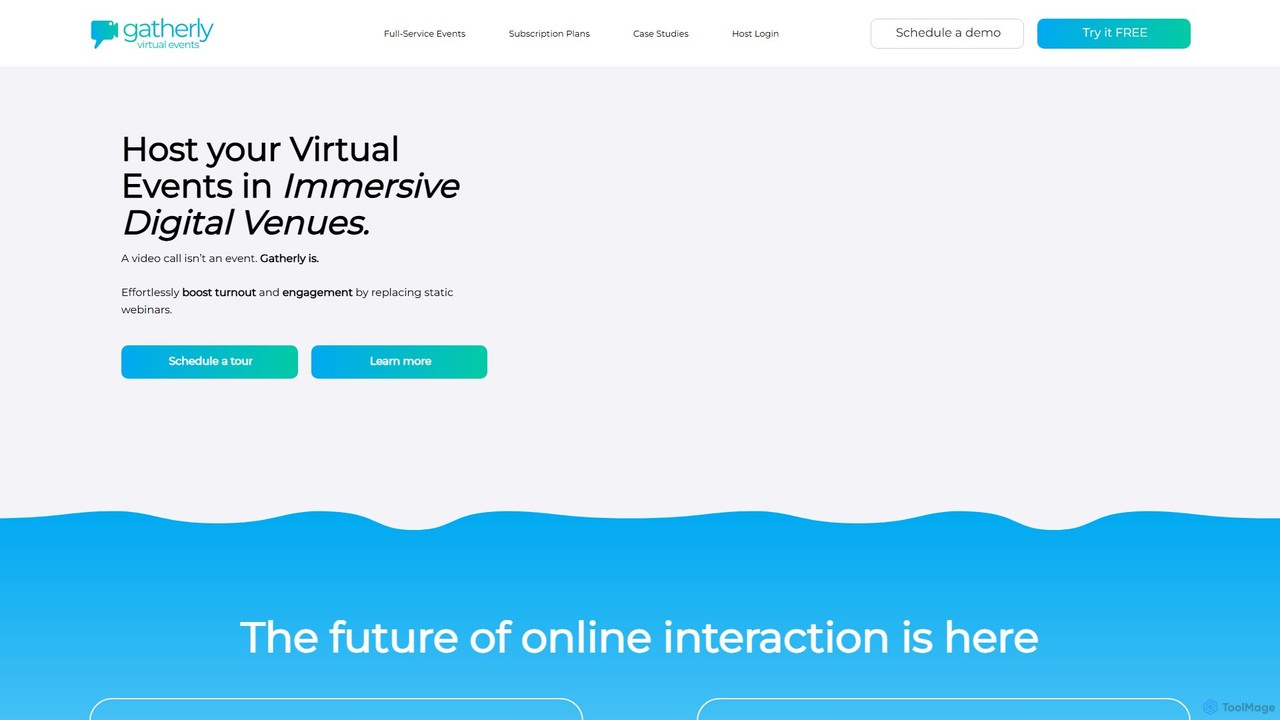
Gatherly is an immersive virtual event platform that transforms static video calls into dynamic, interactive experiences. It creates customizable digital venues with spatial navigation, allowing attendees to network and engage naturally, just like in a real-life event.
About Virtual Events
Virtual Events tools are AI-powered platforms designed to create, manage, and enhance online gatherings, transforming traditional digital meetings into dynamic, interactive experiences. These tools leverage machine learning and natural language processing to personalize attendee journeys, automate logistical tasks, and provide deep insights into engagement patterns. They enable organizers to host more impactful and scalable events, from conferences and trade shows to workshops and webinars, by integrating intelligent automation and data-driven personalization.
Core Features
- AI-driven Networking: Intelligently matches attendees based on interests, roles, and goals for meaningful connections.
- Personalized Content Delivery: Recommends relevant sessions, speakers, and resources to individual attendees.
- Automated Moderation & Support: Uses AI chatbots for instant attendee support and monitors content for compliance.
- Engagement Analytics: Analyzes attendee behavior, sentiment, and interaction patterns to gauge event success.
- Virtual Booth Optimization: AI assists exhibitors in connecting with relevant leads and managing interactions.
Use Cases
Organizations across various sectors utilize AI-powered virtual event tools to overcome the limitations of traditional online formats. Marketing teams employ them for global product launches and lead generation, while HR departments use them for large-scale virtual career fairs and employee training. Educational institutions benefit from enhanced engagement in online lectures and academic conferences, making learning more interactive and accessible.
How to Choose
When selecting AI tools for virtual events, consider the platform's scalability to accommodate your audience size and event frequency. Evaluate the depth and breadth of AI features, such as networking algorithms, personalization engines, and analytics capabilities, ensuring they align with your event goals. Assess integration options with existing CRM, marketing automation, or registration systems, and review the level of technical support and ease of use for both organizers and attendees.

Virtual EventsUse Cases
Enhance Attendee Networking with AI Matchmaking
Event organizers use AI to match attendees with similar interests or professional goals, facilitating meaningful connections through intelligent suggestions for one-on-one meetings or group discussions. This moves beyond random pairings, ensuring participants connect with relevant peers, potential collaborators, or clients, significantly boosting the value proposition of virtual events and fostering a more engaged community.
Personalize Content Delivery for Attendees
Conference planners leverage AI to analyze attendee registration data, past interactions, and stated preferences, then recommend highly relevant sessions, workshops, and virtual booths. This tailored experience ensures attendees discover content most valuable to them, increasing engagement and satisfaction, and reducing information overload in large events by presenting a curated, individualized agenda.
Automate Q&A and Attendee Support
Event hosts deploy AI chatbots to handle common attendee questions about schedules, speakers, or technical issues in real-time. These intelligent assistants can provide instant answers, freeing up human support staff to address more complex inquiries, thereby improving response times and overall attendee experience during live events and ensuring a smoother operational flow.
Optimize Virtual Exhibitor Engagement
Companies hosting virtual trade shows utilize AI to help exhibitors identify and connect with high-potential leads visiting their virtual booths. AI can analyze visitor profiles and interactions, suggesting personalized outreach strategies or recommending specific product demos, leading to more effective lead generation and a higher return on investment (ROI) for exhibitors in a competitive digital landscape.
Analyze Post-Event Attendee Sentiment
Marketing teams use AI-powered sentiment analysis tools to process chat logs, survey responses, and social media mentions from virtual events. This provides a comprehensive understanding of attendee satisfaction, identifying key discussion points, areas for improvement, and overall emotional responses, informing future event strategies and helping to refine content and engagement tactics for subsequent gatherings.
Streamline Speaker Management and Content Delivery
Event managers employ AI to assist with scheduling, content organization, and even real-time translation for international speakers. AI can help optimize session timings based on global audience demographics, ensure content is delivered smoothly, and provide automated summaries or highlights, enhancing the overall production quality and accessibility of virtual events for a diverse global audience.