Namefi
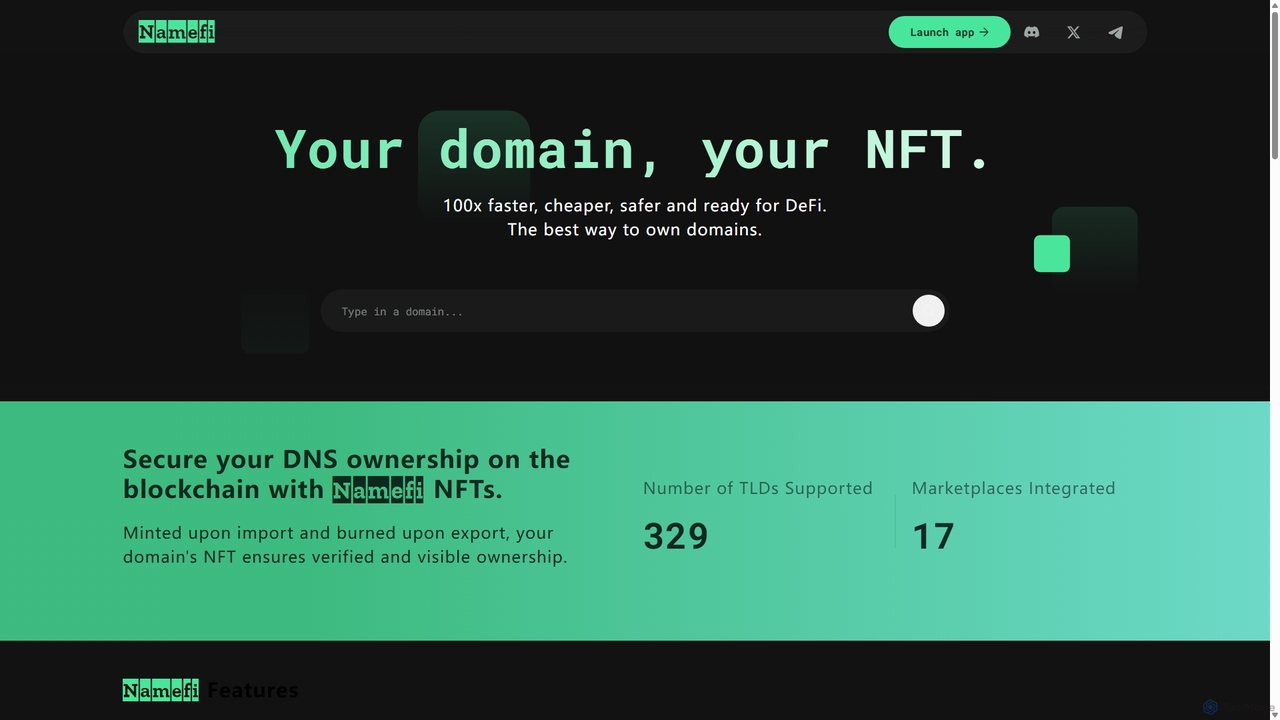
Namefi is a pioneering platform that tokenizes traditional Web2 domain names into NFTs on the blockchain. It enables …
Namefi is a pioneering platform that tokenizes traditional Web2 domain names into NFTs on the blockchain. It enables faster, safer, and more liquid trading of domains, integrates them into DeFi protocols, and uses AI to analyze and reveal their true potential value. Your domain becomes a verifiable, tradable digital asset.
HeLa Labs
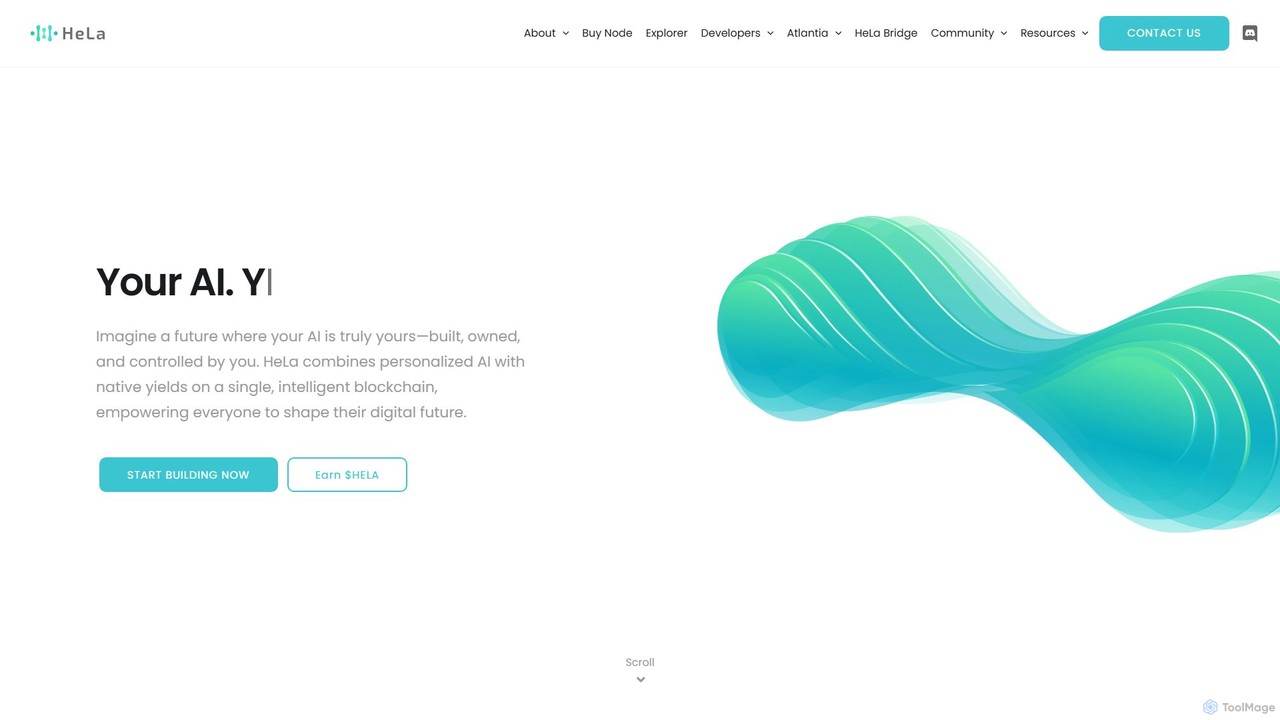
HeLa Labs is a Layer-1 blockchain platform that uniquely integrates personalized AI with native on-chain yields. It provides …
HeLa Labs is a Layer-1 blockchain platform that uniquely integrates personalized AI with native on-chain yields. It provides a modular, scalable, and EVM-compatible infrastructure for developers to build innovative decentralized applications (dApps) across DeFi, GameFi, SocialFi, and more, fostering a new era of digital ownership and utility.
Forta
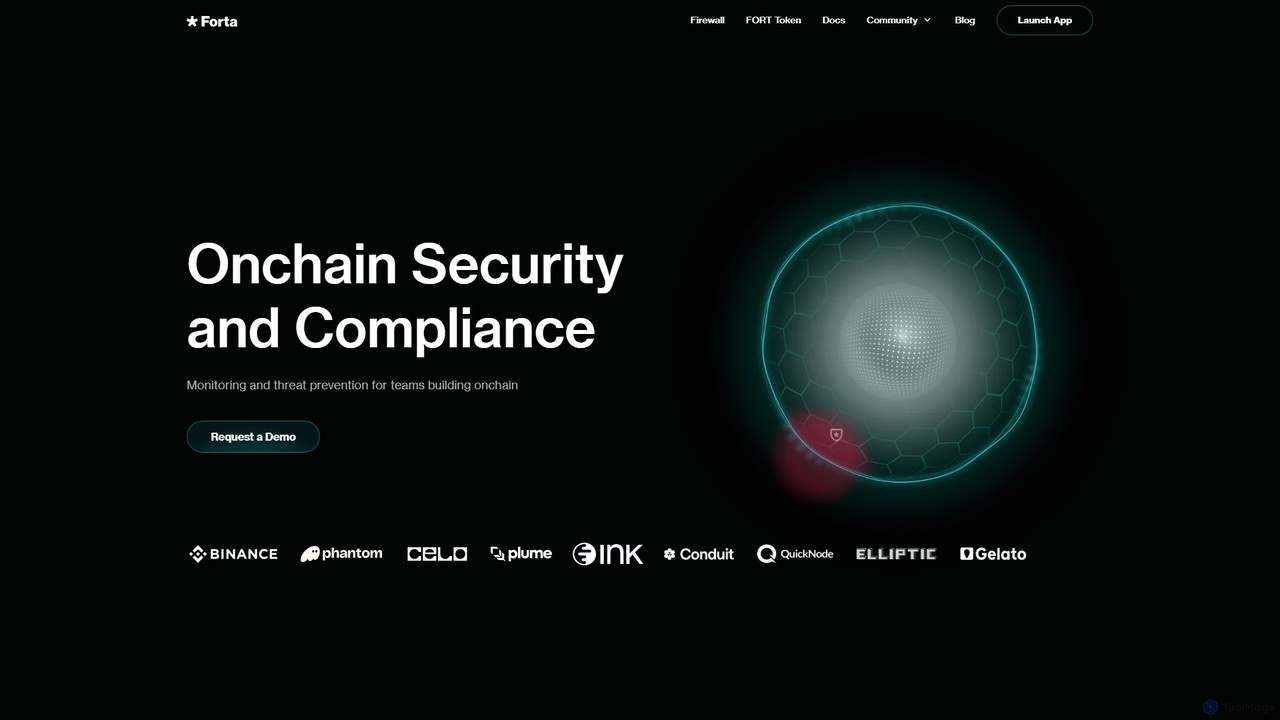
Forta is a real-time threat detection and prevention network for Web3. It uses AI to monitor on-chain activity, …
Forta is a real-time threat detection and prevention network for Web3. It uses AI to monitor on-chain activity, block malicious transactions before execution, and ensure compliance. Forta secures blockchains and dApps against exploits, scams, and regulatory risks.
About Defi
AI DeFi tools are a specialized category of financial software that leverage artificial intelligence to analyze, automate, and secure decentralized finance protocols. These tools utilize machine learning models to process vast amounts of on-chain data, enabling predictive market analysis, risk assessment, and automated strategy execution. Their primary value lies in helping users navigate the complex and volatile DeFi ecosystem with data-driven insights, identifying opportunities and mitigating risks that are difficult to spot manually. They empower traders, developers, and investors to make more informed decisions in real-time.
Core Features
- Predictive Analytics: Employs machine learning to forecast token prices, liquidity pool performance, and overall market trends.
- Automated Strategy Execution: Deploys AI-powered bots for complex tasks like yield farming, arbitrage, and liquidation management.
- Smart Contract Auditing: Uses AI to automatically scan smart contract code for vulnerabilities, security flaws, and inefficiencies.
- On-Chain Anomaly Detection: Monitors blockchain transactions in real-time to identify suspicious activities, such as wash trading or potential exploits.
- Portfolio Optimization: Analyzes wallet holdings across various protocols to recommend rebalancing actions and manage risks like impermanent loss.
Use Cases
AI DeFi tools are primarily used by active DeFi participants, including individual traders, liquidity providers, cryptocurrency investment funds, and blockchain developers. For instance, a trader might use an AI tool to automatically execute arbitrage strategies across multiple decentralized exchanges (DEXs). Developers use these tools to enhance the security of their smart contracts before deployment, protecting user funds.
How to Choose
When selecting an AI DeFi tool, consider the following: the specific blockchains and DeFi protocols it supports, the accuracy and transparency of its AI models, the level of strategy customization available, its security track record, and its integration capabilities with your existing wallets and platforms. Also, evaluate the user interface complexity and whether it matches your technical expertise.

DefiUse Cases
Automated Yield Farming Optimization
A DeFi investor aims to maximize returns from various liquidity pools but lacks the time to constantly monitor changing Annual Percentage Yields (APYs) and gas fees. They use an AI DeFi tool to connect their wallet and set risk parameters. The AI continuously analyzes dozens of protocols, predicting which pools will offer the best risk-adjusted returns. It then automatically moves the user's funds between different pools, such as from a Curve pool to a Balancer pool, to capitalize on the highest yields, saving the investor hours of manual research and potentially increasing their overall APY by 5-15%.
AI-Powered Smart Contract Security Audit
A blockchain development team is about to launch a new lending protocol. Before deployment, ensuring the smart contract is secure is their top priority to prevent hacks. They use an AI-powered auditing tool to perform a preliminary scan of their Solidity code. The tool analyzes the code against a vast database of known vulnerabilities, such as reentrancy attacks and integer overflows. It flags potential security risks and provides specific code suggestions for remediation in minutes. This allows the team to fix critical issues before sending the code for a more expensive manual audit, accelerating the development cycle and adding a crucial layer of security.
On-Chain Arbitrage Opportunity Detection
An advanced crypto trader specializes in arbitrage, profiting from price differences of the same asset on different decentralized exchanges (DEXs). Manually tracking these fleeting opportunities is nearly impossible. The trader deploys an AI DeFi tool that simultaneously monitors price feeds from dozens of DEXs like Uniswap, Sushiswap, and PancakeSwap. The AI calculates potential profits after factoring in gas fees and slippage. When a profitable opportunity exceeding a set threshold is detected, the tool can automatically execute the multi-step trade (buy on one DEX, sell on another) in a single transaction, securing profits that would otherwise be missed.
Predictive Airdrop Farming Analysis
An airdrop hunter wants to strategically interact with new, un-launched protocols to qualify for future token airdrops. Instead of randomly using protocols, they use an AI DeFi tool that analyzes historical airdrop data and current on-chain activity. The AI identifies patterns in wallets that previously received large airdrops (e.g., frequent transactions, providing liquidity, using bridge features). Based on this analysis, the tool generates a prioritized list of protocols and specific actions (e.g., 'Swap >$500 on Protocol X', 'Bridge assets to Zk-rollup Y') that have the highest statistical probability of qualifying for a future airdrop, optimizing the user's time and capital.
DeFi Portfolio Risk Assessment
An investor holds assets across multiple DeFi protocols, including lending platforms, DEX liquidity pools, and liquid staking derivatives. They find it challenging to get a holistic view of their portfolio's risk exposure. By connecting their wallet to an AI DeFi tool, they receive a comprehensive risk dashboard. The AI analyzes factors like smart contract risk for each protocol, the volatility of the underlying assets, and the potential for impermanent loss in their liquidity positions. The tool provides an overall risk score and highlights the riskiest positions, suggesting actions like diversifying into lower-risk pools or hedging against potential downturns.
Detecting On-Chain Market Manipulation
A DeFi protocol's governance team is concerned about potential wash trading inflating their platform's volume metrics to attract investors. They use an AI analytics tool to monitor all on-chain transactions related to their protocol. The AI is trained to identify suspicious patterns indicative of manipulation, such as a small group of wallets trading back and forth with each other in high volumes with no real economic purpose. The tool flags these wallets and visualizes their transaction networks, providing the team with concrete data to investigate and take action, ensuring the integrity of their platform's statistics and protecting the community.