
ToolMage
Sign in

Best 1 Digital Payments AI tools for Finance

Popular Digital Payments AI tools in Finance include Yassir, helping you work more efficiently.

Yassir
Freemium

Yassir

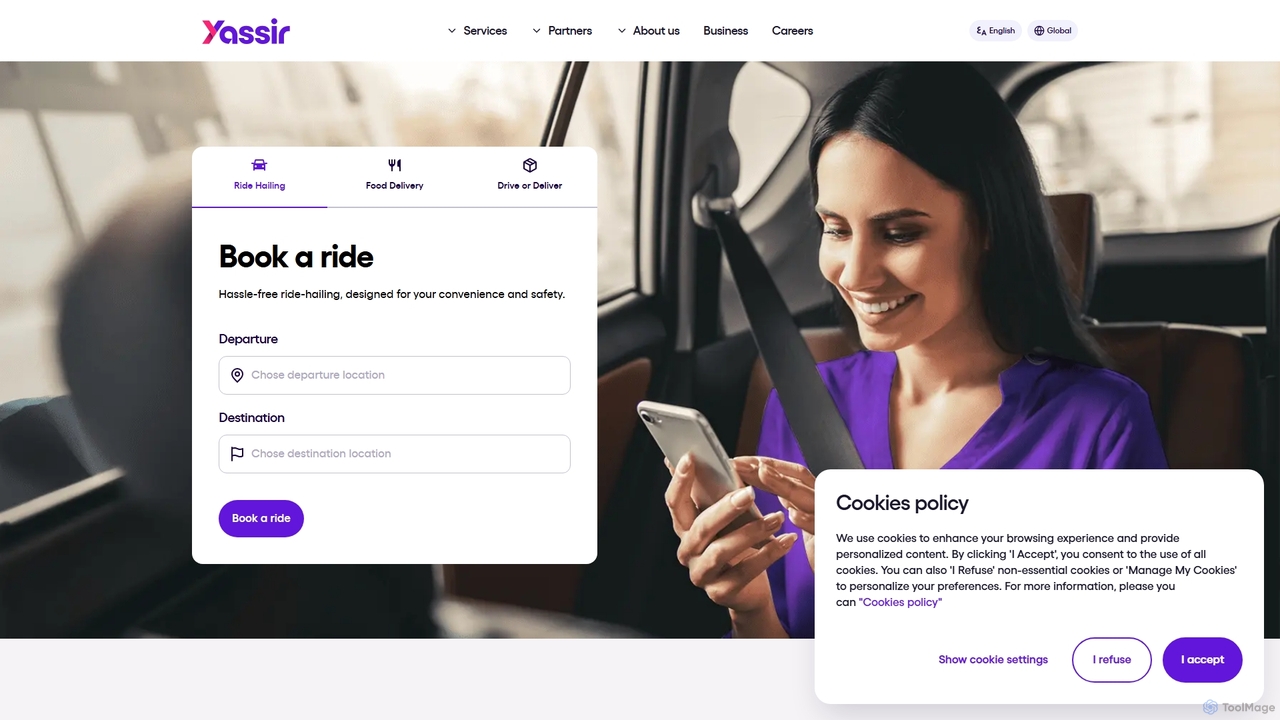
Yassir is an all-in-one super app providing on-demand services including ride-hailing, food and grocery delivery, and financial services. Leveraging AI for logistics optimization, dynamic pricing, and personalized recommendations, Yassir aims to simplify daily life for millions of users across Africa and beyond. It also offers income opportunities for drivers and delivery partners, and B2B solutions for corporate transportation management.

Fleet Management
Visits 281KFavorites 109Likes 119

About Digital Payments

Digital Payments are AI-powered tools that streamline and secure electronic transactions. These platforms leverage advanced algorithms to process payments, detect fraud, and enhance the overall customer experience. They enable businesses and individuals to conduct financial transactions swiftly and safely across various digital channels, integrating seamlessly into modern financial ecosystems.

Core Features

  • Automated Transaction Processing: Efficiently handles high volumes of digital payments from diverse sources.
  • Advanced Fraud Detection: Utilizes AI and machine learning to identify and prevent fraudulent activities in real-time.
  • Personalized Payment Experiences: Adapts payment options and interfaces based on user preferences and historical data.
  • Regulatory Compliance Management: Helps ensure adherence to global and local financial regulations and data security standards.
  • Real-time Analytics & Reporting: Provides immediate insights into transaction patterns, customer behavior, and financial performance.

Applicable Scenarios

Digital Payments tools are crucial for e-commerce platforms managing online sales, fintech startups offering innovative payment solutions, and traditional banks modernizing their transaction infrastructure. They are also vital for subscription services requiring recurring billing and international businesses needing multi-currency processing, ensuring secure and efficient financial flows.

How to Choose

When selecting a Digital Payments solution, consider its integration capabilities with existing systems, the robustness of its fraud detection mechanisms, and its compliance certifications (e.g., PCI DSS). Evaluate the supported payment methods, transaction fees, scalability for future growth, and the quality of customer support to ensure it meets specific business needs and security requirements.

Digital Payments use cases

1

Optimizing E-commerce Checkout Flows

Online retailers leverage digital payment tools to provide a seamless and secure checkout experience. By integrating AI-powered payment gateways, they can offer diverse payment methods, remember customer preferences, and dynamically adjust options. This reduces cart abandonment rates, accelerates transaction completion, and enhances customer satisfaction, directly impacting sales conversion.

2

Automating Subscription Billing & Management

Businesses offering subscription-based services utilize these tools for automated recurring billing. AI helps manage complex billing cycles, handle failed payments gracefully, and send personalized reminders. This ensures consistent revenue streams, minimizes manual administrative effort, and improves customer retention by providing a hassle-free payment experience for subscribers.

3

Facilitating Secure Cross-Border Transactions

International businesses and individuals use digital payment platforms to send and receive money across borders efficiently. These tools handle multi-currency conversions, comply with varying international regulations, and often offer competitive exchange rates. AI-driven risk assessment ensures the security of these complex transactions, reducing delays and costs associated with traditional methods.

4

Enhancing Real-time Fraud Prevention

Financial institutions and online merchants deploy AI-powered digital payment systems to detect and prevent fraudulent activities in real-time. Machine learning algorithms analyze transaction patterns, user behavior, and historical data to identify suspicious anomalies. This proactive approach minimizes financial losses, protects customer data, and maintains trust in the payment ecosystem.

5

Personalizing Customer Payment Experiences

Service providers use AI in digital payments to offer highly personalized payment options and recommendations. Based on a customer's past purchases, location, and device, the system can suggest preferred payment methods or offer tailored installment plans. This customization improves user convenience, encourages repeat business, and strengthens customer loyalty.

6

Streamlining Business Expense Reconciliation

Companies integrate digital payment solutions to automate the reconciliation of business expenses and incoming payments. AI algorithms can match transactions with invoices, categorize spending, and generate detailed financial reports. This significantly reduces manual accounting errors, saves time for finance departments, and provides clearer insights into cash flow management.

Digital Payments FAQ

What are Digital Payments?

Digital Payments refer to electronic transactions conducted without physical cash, leveraging various online and mobile platforms. These AI-powered tools go beyond basic processing by integrating machine learning for enhanced fraud detection, personalized user experiences, and automated reconciliation. They facilitate secure, instant, and traceable financial exchanges for consumers and businesses globally, forming the backbone of modern e-commerce and fintech.

How do AI-powered Digital Payments enhance security?

AI significantly boosts the security of Digital Payments by employing sophisticated algorithms to analyze vast amounts of transaction data in real-time. Machine learning models identify unusual patterns, detect anomalies indicative of fraud, and flag suspicious activities before they can cause financial loss. This proactive, adaptive approach is far more effective than traditional rule-based systems, offering robust protection against evolving cyber threats and unauthorized access.

What's the difference between traditional and AI-driven Digital Payments?

Traditional digital payments primarily focus on processing transactions based on predefined rules and manual oversight. In contrast, AI-driven Digital Payments integrate intelligence to learn from data, adapt to new threats, and personalize interactions. AI enables features like predictive fraud analytics, dynamic pricing adjustments, and intelligent routing of transactions, offering a more secure, efficient, and user-centric experience compared to their rule-based predecessors.

Who benefits most from using Digital Payments tools?

A wide range of users benefits from Digital Payments tools. E-commerce businesses gain streamlined checkout processes and reduced fraud. Fintech companies can build innovative, secure payment solutions. Small businesses and freelancers enjoy easier invoicing and faster payouts. Consumers benefit from convenient, secure, and diverse payment options, while large enterprises achieve better financial oversight and automated reconciliation, making them essential across various sectors.

What key features should I look for in a Digital Payments platform?

When choosing a Digital Payments platform, prioritize robust security features, including AI-powered fraud detection and PCI DSS compliance. Look for broad payment method support (credit cards, mobile wallets, bank transfers) and multi-currency capabilities for international reach. Essential features also include seamless integration with existing business systems, comprehensive analytics and reporting, transparent pricing, and scalable infrastructure to support growth.