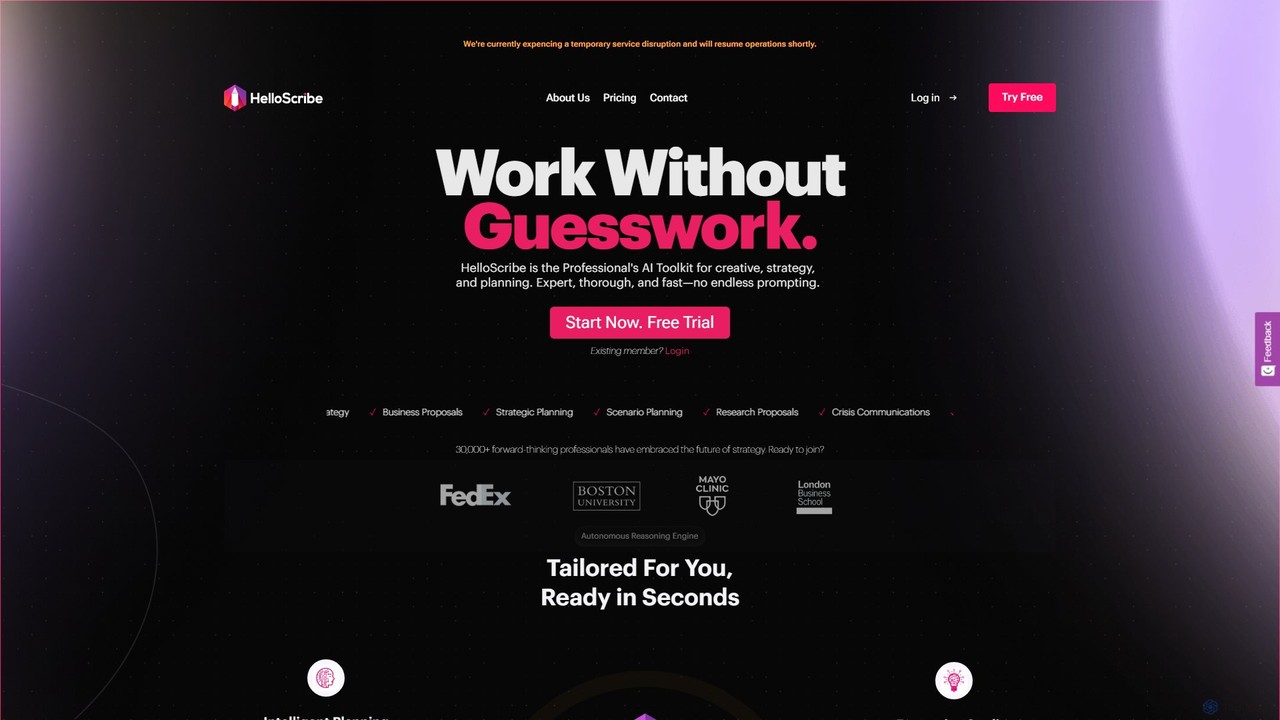
Proposal Generation tools are AI-powered applications designed to automate the creation of professional, data-driven business proposals, quotes, and contracts. These platforms leverage customizable templates and natural language processing to pull data from sources like CRMs and pricing databases, assembling personalized documents efficiently. Their primary value lies in significantly reducing manual effort, ensuring brand consistency across all communications, and accelerating the sales cycle. By integrating features like content libraries and real-time analytics, they transform proposal creation from a time-consuming task into a streamlined, strategic process.
Core Features
- Template Management: Create, customize, and manage a library of branded templates for different services or client types.
- Data Integration: Connects with CRM, ERP, and accounting software to automatically populate client details, pricing, and product information.
- Content Library: Store and reuse pre-approved content blocks such as case studies, team bios, and legal terms.
- Interactive Quoting: Generate dynamic pricing tables that allow clients to select options and view updated totals in real-time.
- Analytics and Tracking: Monitor when a proposal is opened, which sections are viewed most, and how long a client spends on the document.
Applicable Scenarios
These tools are essential for B2B sales teams, marketing agencies, freelancers, and consultants who regularly create detailed proposals. For instance, a sales representative can generate a personalized quote in minutes after a client call by pulling data directly from their CRM. Similarly, a consulting firm can maintain consistency and quality by using a centralized content library for all project bids, ensuring every proposal reflects the company's latest case studies and value propositions.
Selection Criteria
When choosing a Proposal Generation tool, evaluate its integration capabilities with your existing software stack (e.g., Salesforce, HubSpot). Assess the level of template customization and brand control it offers. Consider collaboration features like approval workflows and version history if you work in a team. Finally, examine the depth of its analytics to ensure it provides meaningful insights into client engagement, and compare pricing models to find one that aligns with your usage volume.