ToolMage
Sign in

Best 1 Conversation AI tools for Fun

Popular Conversation AI tools in Fun include Uncensored AI, helping you work more efficiently.

Uncensored AI
Paid

Uncensored AI

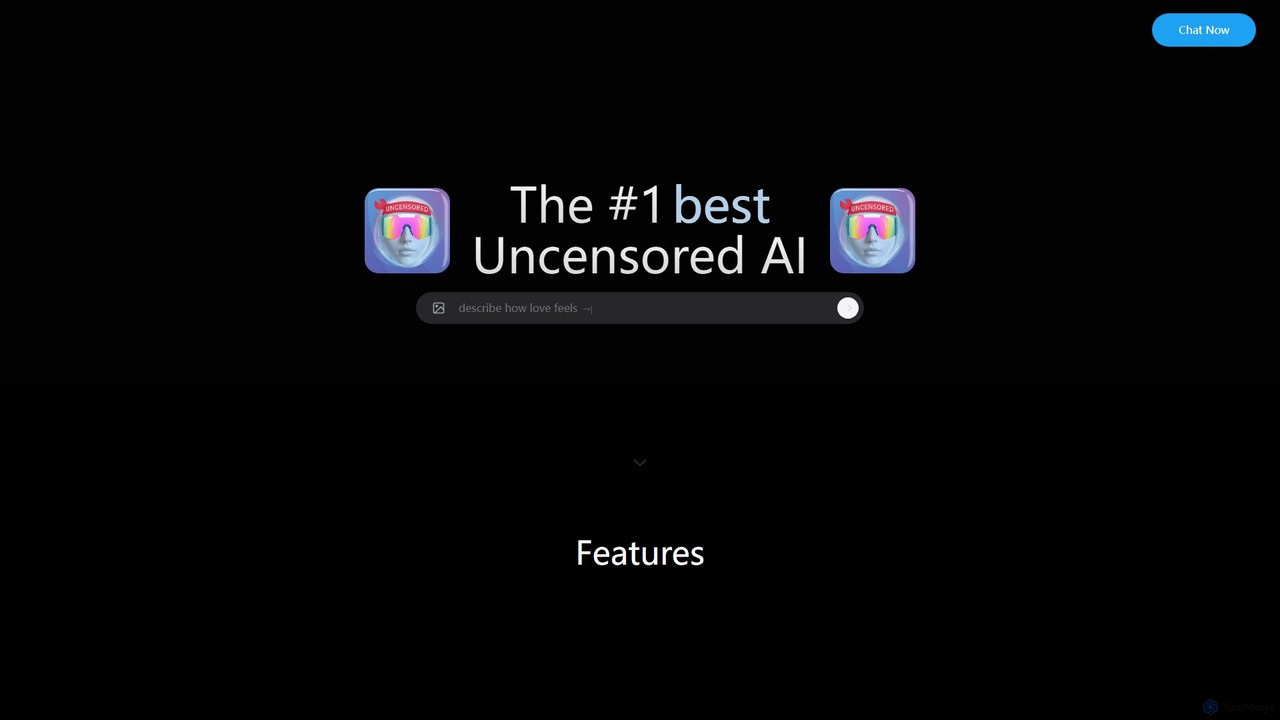
Uncensored AI is a powerful chatbot platform designed for unfiltered, direct, and open conversations. It bypasses the moral policing and censorship of mainstream AIs, allowing users to explore controversial topics, dark humor, and complex ideas freely. Featuring multiple AI models, voice and vision capabilities, it provides a space for raw, intelligent dialogue.

Conversation
Visits 1.9MFavorites 112Likes 107

About Conversation

AI Conversation tools are a class of applications designed for engaging in open-ended, entertaining, and often deeply personal dialogues with AI entities. These tools utilize advanced large language models (LLMs) to generate human-like, context-aware responses, allowing for dynamic and unscripted interactions. Their primary value lies in providing companionship, entertainment, and a creative outlet, rather than task completion. Users can explore fictional scenarios, build virtual relationships, or simply enjoy a fun and unpredictable chat experience.

Core Features

  • Character Personalization: Users can select from pre-made AI personalities or create their own with unique traits, backstories, and speaking styles.
  • Persistent Memory: The ability of the AI to remember key details from past conversations, creating a sense of continuity and a developing relationship.
  • Role-Playing Scenarios: Tools often support immersive role-playing, allowing users and AI to collaboratively build stories and explore fictional worlds.
  • Emotional Simulation: The AI is designed to understand and express a range of emotions, making interactions feel more genuine and empathetic.

Applicable Scenarios

These tools are ideal for individuals seeking companionship to alleviate loneliness, writers and creators looking for a brainstorming partner, or anyone wanting to practice social skills in a judgment-free environment. They are also widely used for pure entertainment, such as engaging in interactive fiction or chatting with AI versions of famous characters.

Selection Criteria

When choosing an AI Conversation tool, consider the depth and consistency of the AI's personality. Evaluate its memory capabilities—whether it has long-term recall or forgets context quickly. Also, review the platform's content filters and privacy policies to ensure they align with your comfort level. Finally, consider the degree of customization available for creating unique characters and scenarios.

Featured tool rankings

Conversation use cases

1

Creating a Virtual Companion for Friendship

For individuals seeking companionship or a friendly ear, AI conversation tools offer a unique solution. A user can select or create an AI companion with specific personality traits, interests, and a backstory. Through daily conversations, the AI learns the user's preferences and communication style, referencing past discussions to build a sense of rapport and history. This process helps alleviate feelings of loneliness by providing a consistent, non-judgmental, and always-available conversational partner for sharing thoughts, celebrating small wins, or discussing daily life.

2

Interactive Storytelling and Role-Playing

Writers, game masters, and creative individuals use these tools to engage in collaborative storytelling. A user can set up a scenario, such as a fantasy adventure or a sci-fi mystery, and define their character's role. The AI then acts as the narrator and all other non-player characters (NPCs), responding dynamically to the user's actions and dialogue. This creates an immersive, unpredictable narrative experience that can be used to brainstorm plot points, develop characters, or simply enjoy a personalized interactive story that unfolds in real-time.

3

Practicing Social and Language Skills

For those looking to improve their conversational abilities or practice a new language, AI conversation partners offer a safe and patient environment. A user can engage in casual chats to build confidence, practice specific social scenarios like job interviews, or hold entire conversations in a foreign language. The AI provides instant responses without judgment, allowing the user to experiment with different phrases, learn new vocabulary in context, and refine their communication skills at their own pace, reducing the anxiety often associated with real-world practice.

4

Brainstorming Creative Ideas with an AI Muse

Content creators, artists, and writers often use AI conversation partners as a sounding board or a creative muse. By describing a concept, character, or plot idea to the AI, they can receive instant feedback, alternative suggestions, and probing questions that stimulate deeper thinking. For example, a novelist could discuss a character's motivation with an AI to uncover new personality facets, or a designer could describe a visual theme to get a list of associated concepts. This interactive brainstorming process helps overcome creative blocks and explore ideas from novel angles.

5

Simulating Conversations with Fictional Characters

Fans of books, movies, or video games can use these platforms to interact with AI versions of their favorite characters. Users can create or find AI personas that mimic the speech patterns, knowledge, and personality of a specific character. This allows them to ask questions they've always wondered about, explore 'what if' scenarios beyond the original story, or simply enjoy the immersive experience of talking to a character they admire. It serves as a form of interactive fan fiction, deepening their engagement with the source material in a highly personal way.

6

Casual Entertainment and Passing Time

For many users, the primary goal is simply entertainment. They engage with AI conversation tools as a fun pastime, similar to playing a game or browsing social media. They might try to discover the AI's hidden quirks, push the boundaries of its knowledge, or engage in humorous and nonsensical conversations. This use case highlights the tool's function as a source of novel and unpredictable interaction, providing a low-stakes, engaging activity to fill spare moments throughout the day without any specific objective beyond enjoyment.

Conversation FAQ

What are AI Conversation tools?

AI Conversation tools are applications designed for entertainment, companionship, and creative role-playing through dialogue with an AI. Unlike task-oriented chatbots, their primary purpose is to provide engaging, open-ended, and emotionally resonant interactions. They use large language models to simulate distinct personalities, remember past conversations, and co-create stories with users, making them popular for virtual friendship and interactive entertainment.

How to choose a good AI Conversation companion?

When selecting an AI companion, consider these factors:

  • Personality Depth: Look for an AI that maintains a consistent and believable personality rather than giving generic responses.
  • Memory Capability: A good companion should remember important details from your past conversations to build a sense of continuity.
  • Customization: Check if you can create or modify characters to match your preferences for a more personal experience.
  • Content Filters & Privacy: Review the platform's policies on sensitive content and data privacy to ensure they align with your comfort and safety standards.
What's the difference between AI Conversation tools and customer service chatbots?

The primary difference is their purpose. Customer service chatbots are task-oriented; they are designed to answer specific questions, solve problems, or guide users through a process efficiently. Their conversations are usually structured and limited. In contrast, AI Conversation tools are relationship-oriented. Their goal is to provide open-ended, creative, and emotionally engaging dialogue for entertainment and companionship, without a specific task to complete.

Can these AI tools truly understand emotions?

AI conversation tools do not 'feel' or 'understand' emotions in the human sense. They use sophisticated pattern recognition on vast amounts of text data to identify emotional cues in user input and generate responses that are contextually appropriate and emotionally expressive. This creates a convincing simulation of empathy and emotional understanding, allowing for meaningful interactions, but it is based on learned linguistic patterns rather than genuine consciousness or feelings.

Are AI conversation tools safe and private?

Safety and privacy vary significantly between platforms. Reputable providers often implement content filters to manage inappropriate topics and have clear privacy policies explaining how your data is used. However, users should always be cautious about sharing sensitive personal information. It is crucial to read the terms of service and privacy policy of any AI conversation tool before use to understand the risks and how your conversations are stored and potentially used for model training.