ToolMage
Sign in

Best 2 Music AI tools for Fun

Popular Music AI tools in Fun include Drumless and curioAI, helping you work more efficiently.

curioAI
Freemium

curioAI

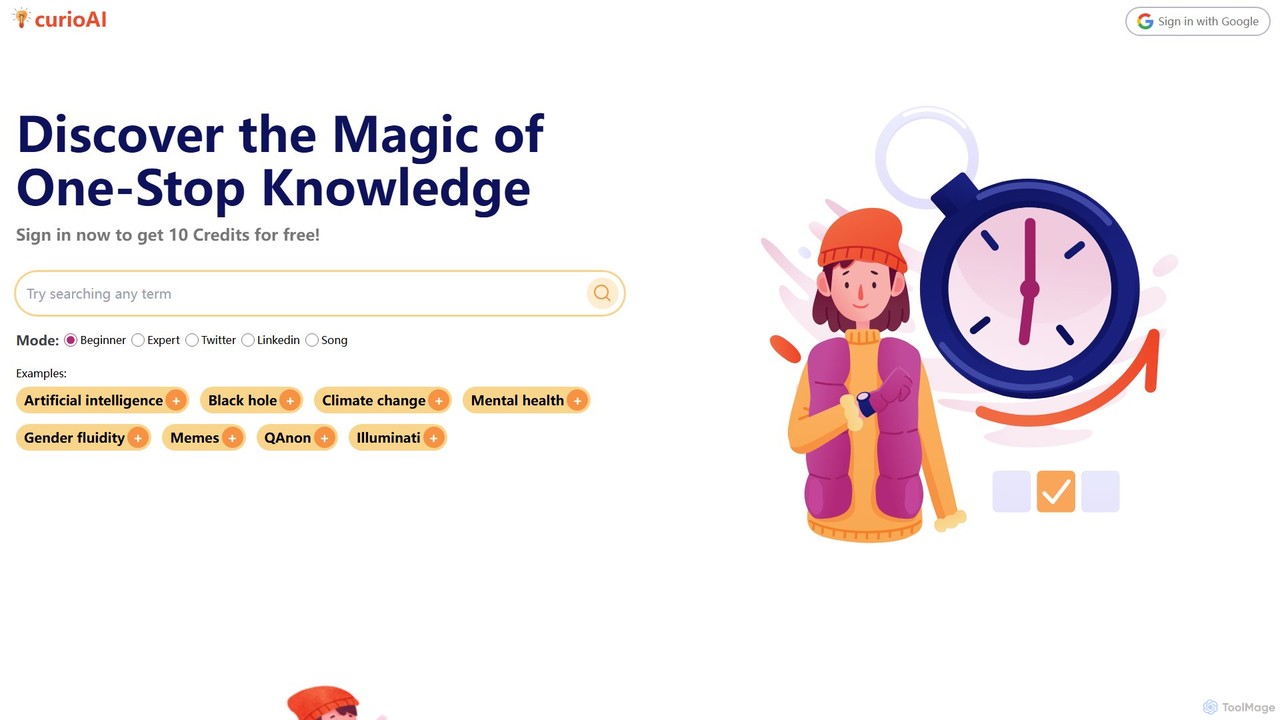
curioAI is a versatile AI-powered platform that simplifies complex topics, generates engaging social media content for Twitter and LinkedIn, and even creates original songs. It's designed for learners, professionals, and creators to unlock knowledge and enhance their digital presence effortlessly.

Learning
Visits 4.5KFavorites 109Likes 123
Drumless
Freemium

Drumless

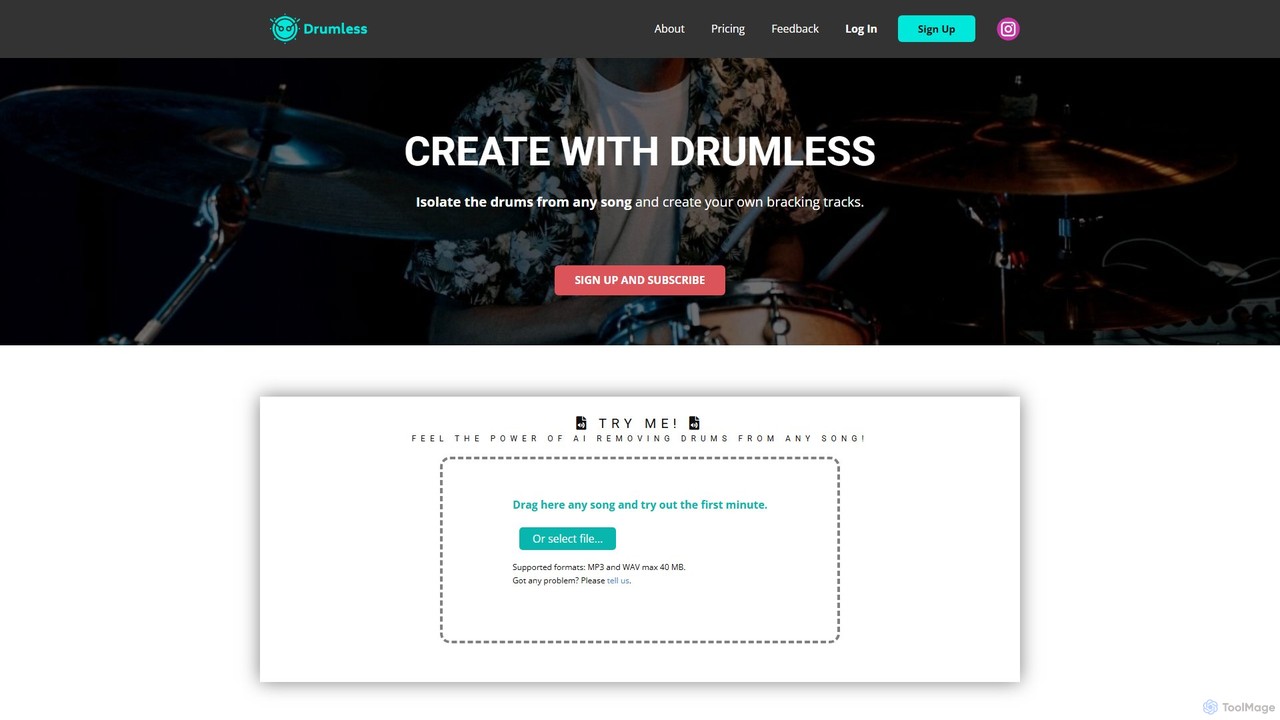
Drumless is an AI-powered tool designed for drummers and musicians to remove drums from any song. It instantly creates high-quality, drum-free backing tracks, perfect for practice, performance, and content creation. Simply upload an audio file, and the AI will isolate the drum track, allowing you to play along with your favorite artists.

Music Editing
Visits 12.2KFavorites 129Likes 130

About Music

AI Music tools are a category of artificial intelligence applications designed to create, manipulate, and enhance audio content, specifically music. These tools leverage machine learning algorithms and neural networks to understand musical patterns, generate original compositions, or process existing audio. They empower users from hobbyists to professional producers to explore new creative avenues, automate tedious tasks, and personalize their musical experiences.

Core Features

  • AI Composition & Generation: Automatically create melodies, harmonies, rhythms, or full instrumental tracks based on user prompts, genre, or mood.
  • Stem Separation: Isolate individual instruments like vocals, drums, bass, and guitar from a complete mixed audio file.
  • Audio Enhancement & Mastering: Improve sound quality, balance levels, apply effects, and prepare tracks for professional release.
  • Music Style Transfer: Apply the stylistic characteristics of one musical piece to another, transforming its sound.
  • Interactive Music Creation: Enable real-time music generation or collaborative composition through intuitive interfaces.

Applicable Scenarios

AI Music tools are invaluable for content creators needing royalty-free background music for videos or podcasts, musicians seeking inspiration or assistance with demo production, and game developers creating dynamic, adaptive soundtracks. They also serve marketers looking for unique jingles and hobbyists exploring music creation without extensive technical knowledge.

How to Choose

When selecting an AI Music tool, consider the quality and customization options for generated output, the specific features offered (e.g., composition, stem separation, mastering), its ease of use for your skill level, and integration capabilities with your existing workflow. Additionally, evaluate the licensing terms for generated music to ensure it meets your usage requirements.

Music use cases

1

Generate Background Music for Video Content

Content creators, YouTubers, and podcasters can quickly generate unique, royalty-free background music tailored to the mood and theme of their videos or audio content. This eliminates the need for expensive stock music licenses or time-consuming manual composition, ensuring a consistent and professional audio backdrop for their productions.

2

Assist Music Producers in Melody Creation

Professional music producers and songwriters utilize AI tools to overcome creative blocks by generating diverse melodic ideas, chord progressions, or rhythmic patterns. By inputting genre preferences or existing musical fragments, they can rapidly prototype new song sections and explore variations, accelerating the songwriting and arrangement process.

3

Separate Vocals and Instruments from Mixed Tracks

DJs, remix artists, and audio engineers employ AI stem separation to accurately isolate individual components like vocals, drums, bass, or guitar from a complete song. This allows for the creation of acapellas, instrumental versions, or custom remixes, providing unprecedented flexibility in audio manipulation and creative sampling.

4

Create Dynamic Soundtracks for Games and Apps

Game developers and interactive media designers leverage AI music generation to produce adaptive soundtracks that respond dynamically to in-game events, player actions, or changing environments. This enhances player immersion by creating a seamless and evolving audio experience that perfectly matches the on-screen action without manual intervention.

5

Personalized Music Recommendations and Playlists

Music streaming platforms and individual users benefit from AI-driven algorithms that analyze listening habits, mood, and context to curate highly personalized music recommendations and playlists. This leads to a more engaging discovery experience, helping users find new artists and genres that align with their unique tastes.

6

Rapidly Produce Song Demos and Drafts

Independent artists and composers can use AI music tools to quickly generate full instrumental backing tracks or arrangements for their lyrical ideas. This enables rapid prototyping of new songs, allowing them to hear their compositions with professional-sounding instrumentation and iterate on ideas much faster than traditional methods.

Music FAQ

What are AI Music Tools?

AI Music tools are software applications that utilize artificial intelligence, primarily machine learning and deep learning, to assist in various aspects of music creation and processing. They can generate original compositions, separate audio stems, enhance sound quality, or even transfer musical styles. These tools aim to democratize music production and provide creative assistance to both novices and experienced musicians.

How do AI Music Tools generate music?

AI Music tools generate music by being trained on vast datasets of existing musical pieces. Using algorithms like neural networks, they learn patterns, structures, and stylistic elements. When given prompts such as genre, mood, instrumentation, or even text descriptions, the AI can then generate new, original musical sequences or full tracks that adhere to the learned characteristics. Some tools also use generative adversarial networks (GANs) for more creative outputs.

How do AI Music Tools differ from traditional music production software?

The primary difference lies in their generative and assistive capabilities. Traditional Digital Audio Workstations (DAWs) like Ableton Live or Logic Pro require manual input for composition, arrangement, and mixing. AI Music tools, conversely, can automate these processes, generating musical ideas or performing complex audio manipulations with minimal user input. While DAWs offer ultimate control, AI tools provide speed, inspiration, and accessibility, often complementing traditional workflows rather than replacing them.

Are there copyright issues with AI-generated music?

The copyright landscape for AI-generated music is still evolving and can be complex. Generally, the ownership of AI-generated content depends on the specific tool's terms of service and the jurisdiction. Some tools grant full commercial rights to the user, while others may retain partial ownership or require attribution. It's crucial to review the licensing agreements of any AI music tool before using its output for commercial purposes to ensure compliance and avoid potential legal issues.

Who is best suited to use AI Music Tools?

AI Music tools are suitable for a wide range of users. Content creators (YouTubers, podcasters) can generate royalty-free background music. Musicians and producers can find inspiration, overcome creative blocks, or automate parts of their workflow. Game developers can create dynamic soundtracks. Hobbyists can experiment with music creation without needing extensive musical theory or software knowledge. Essentially, anyone looking to create or manipulate music more efficiently or creatively can benefit.