ToolMage
Sign in

Best 1 Multimodal AI tools for Generative Ai

Popular Multimodal AI tools in Generative Ai include myunite, helping you work more efficiently.

myunite
Freemium

myunite

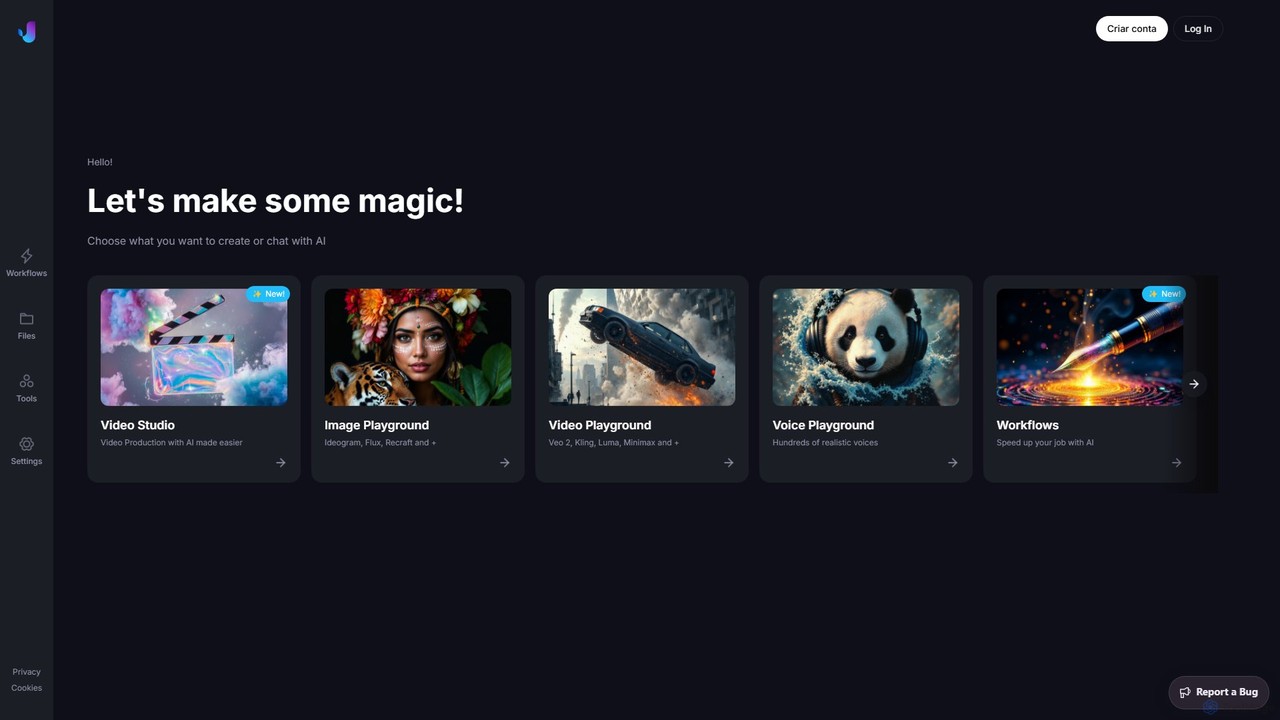
myunite is a unified AI creative platform that consolidates leading generative AI models for video, image, and voice into a single, streamlined interface. Access top-tier tools like Veo 2, Kling, Luma, Ideogram, and Flux to effortlessly create stunning multimedia content. With its powerful workflow automation, myunite simplifies the entire creative process, making it the ultimate all-in-one solution for marketers, creators, and businesses.

Voice Synthesis
Visits 5.8KFavorites 126Likes 124

About Multimodal

Multimodal AI tools are advanced generative AI systems capable of processing and generating content across multiple data types, such as text, images, audio, and video, simultaneously or interchangeably. These tools leverage sophisticated neural networks to understand complex relationships between different modalities, enabling them to create rich, integrated outputs that go beyond single-format generation. They offer a holistic approach to content creation, allowing users to synthesize diverse elements into cohesive and contextually relevant assets.

Core Features

  • Cross-Modal Generation: Generate content in one modality (e.g., image) from input in another (e.g., text), or combine multiple inputs to produce a unified output.
  • Integrated Understanding: Process and interpret information from various inputs (text, image, audio) concurrently to build a comprehensive contextual understanding.
  • Semantic Consistency: Ensure that generated content maintains thematic and stylistic coherence across all output modalities, reflecting the original intent.
  • Content Synthesis & Editing: Combine and refine different generated elements into a final, polished piece, often with interactive editing capabilities.

Use Cases

Multimodal AI tools are invaluable for content creators, marketers, and developers seeking to produce dynamic and engaging digital experiences. They are used in scenarios like automating the creation of marketing campaigns with synchronized visuals and voiceovers, developing interactive educational materials, and designing immersive virtual environments.

How to Choose

When selecting a Multimodal AI tool, consider the specific modalities it supports (e.g., text-to-image-to-audio), the quality and consistency of its cross-modal outputs, and its integration capabilities with your existing creative or development workflows. Evaluate the level of customization offered, the ease of use, and the pricing model to ensure it aligns with your project requirements and budget.

Multimodal use cases

1

Marketing Campaign Generation

Marketing teams can leverage multimodal AI to rapidly create comprehensive campaign assets. By inputting a product description and target audience, the AI can generate compelling ad copy, visually appealing product images, and even a suitable voiceover or background music, ensuring brand consistency and accelerating content production for various platforms.

2

Interactive Storytelling & Game Design

Game developers and interactive media creators can use these tools to build dynamic narratives. Inputting text descriptions of scenes or character actions can generate corresponding visual environments, character designs, and even dialogue audio, allowing for rapid prototyping and exploration of diverse creative concepts in real-time.

3

Educational Content Creation

Educators and e-learning developers can streamline the production of engaging learning materials. A multimodal AI can transform lecture notes into illustrated presentations, generate explanatory diagrams from text, and even create spoken summaries or interactive quizzes, making complex topics more accessible and diverse for learners.

4

Product Concept Visualization

Designers and engineers can accelerate the conceptualization phase of product development. By providing text specifications, material preferences, and rough sketches, the AI can generate detailed 3D renderings, visual prototypes, and accompanying descriptive text, facilitating faster iteration and stakeholder feedback before physical production.

5

Social Media Content Automation

Social media managers can automate the creation of diverse content for daily posts. Based on trending topics or scheduled events, the AI can generate engaging captions, select or create relevant images/short videos, and suggest optimal posting times, significantly reducing manual effort and maintaining a consistent online presence.

6

Accessibility & Content Adaptation

Organizations can enhance content accessibility by adapting information across modalities. A multimodal tool can take a complex report, summarize it into simpler text, generate an audio version for visually impaired users, and create infographic-style visuals for quick comprehension, catering to a wider audience with diverse needs.

Multimodal FAQ

What are Multimodal AI tools?

Multimodal AI tools are generative artificial intelligence systems designed to understand, process, and create content across multiple data types simultaneously. Unlike single-modal AI that focuses on one type (e.g., text or image), multimodal tools can integrate and generate text, images, audio, and even video, offering a more comprehensive and contextually rich content creation experience.

How to choose the right Multimodal AI tool?

To choose the right Multimodal AI tool, evaluate its supported modalities and the quality of its cross-modal outputs. Consider its integration capabilities with your existing software, the level of customization and control it offers over generated content, and its scalability to meet your project demands. User-friendliness and pricing structure are also crucial factors.

What's the difference between Multimodal AI and single-modal Generative AI?

The primary difference lies in their scope of operation. Single-modal generative AI (like text-to-image generators or large language models) specializes in one data type. Multimodal AI, however, can process and generate across multiple modalities concurrently, understanding the relationships between them. For example, a multimodal tool can generate an image, its description, and a corresponding audio narration from a single prompt, whereas single-modal tools would require separate processes.

What can Multimodal AI tools do?

Multimodal AI tools can perform a wide range of tasks, including: generating integrated marketing campaigns with text, visuals, and audio; creating dynamic educational content from lecture notes; prototyping product designs with visual and textual specifications; and automating social media content with synchronized captions and media. They excel at tasks requiring a holistic understanding and generation across different forms of media.

Who benefits most from Multimodal AI tools?

Content creators, marketers, educators, game developers, and product designers benefit significantly from Multimodal AI tools. Anyone who needs to produce rich, integrated content efficiently and consistently across various media types will find these tools invaluable for streamlining workflows, enhancing creativity, and reaching diverse audiences with compelling, synchronized experiences.