ToolMage
Sign in

Best 1 Music Generation AI tools for Generative Ai

Popular Music Generation AI tools in Generative Ai include WavTool, helping you work more efficiently.

WavTool
Freemium

WavTool

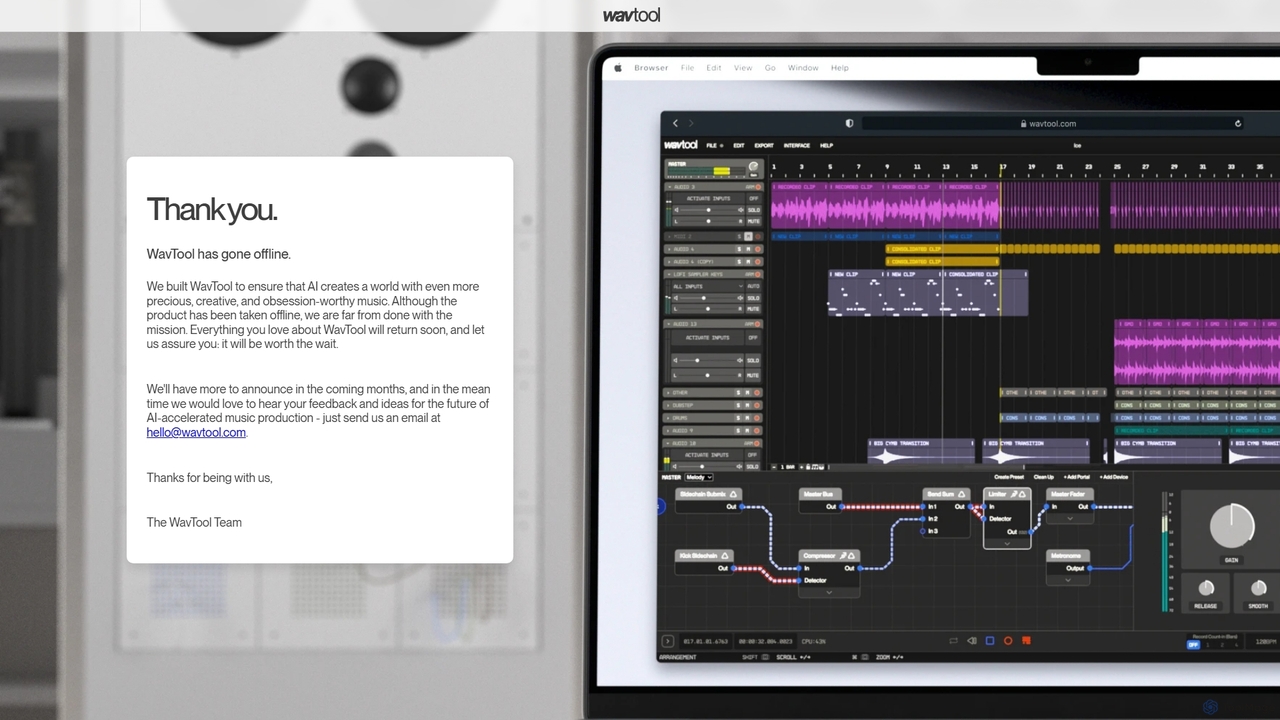
WavTool is an innovative, AI-accelerated online digital audio workstation (DAW) designed to revolutionize music production. It combines a full-featured, in-browser DAW with powerful generative AI. Users can compose, record, edit, mix, and master music using natural language prompts and intelligent tools, making professional-grade music creation accessible to everyone from beginners to seasoned producers.

Music Production
Visits 11.2KFavorites 121Likes 119

About Music Generation

Music Generation tools are a specialized category of generative AI that automatically compose original, royalty-free music from user inputs like text prompts, genres, or moods. These platforms utilize deep learning models to create complex arrangements, including melodies, harmonies, and rhythms, across a vast range of styles. They enable creators, developers, and businesses to produce custom audio content quickly without needing extensive musical expertise or expensive licensing. Advanced tools offer features like instrument separation (stems) and style emulation, providing granular control over the final output.

Core Features

  • Text-to-Music Conversion: Generate musical pieces directly from descriptive text prompts, such as 'sad cinematic piano' or 'upbeat 80s synthwave'.
  • Genre and Mood Selection: Create music by selecting predefined genres (e.g., Rock, Jazz, Classical) and moods (e.g., Happy, Dramatic, Relaxing).
  • Instrument Customization: Specify or adjust the instruments used in a composition, allowing for tailored soundscapes.
  • Stem Generation: Output individual audio tracks for each instrument (e.g., drums, bass, vocals), enabling detailed mixing and post-production.
  • Style Emulation: Analyze and replicate the stylistic elements of a reference track or artist to guide the generation process.

Use Cases

These tools are widely used by video content creators for YouTube and social media to generate unique background music, avoiding copyright issues. Game developers use them to create adaptive soundtracks that change based on gameplay. Musicians and producers also leverage them for inspiration or to quickly prototype melodic and harmonic ideas.

How to Choose

When selecting a Music Generation tool, consider the audio quality and realism of the output. Evaluate the level of customization and control offered, such as tempo, key, and instrument adjustments. It's also crucial to understand the licensing terms for commercial use. Finally, check for integration options like API access or plugin support if you plan to incorporate the tool into an existing workflow.

Music Generation use cases

1

Creating Custom Soundtracks for Video Content

Video creators and social media managers often need unique background music for content on platforms like YouTube, TikTok, or Instagram. Using a Music Generation tool, they can input a prompt like 'upbeat, lo-fi hip hop for a travel vlog' and instantly receive multiple original tracks. This process eliminates copyright infringement risks and the high cost of licensing commercial music. It allows for rapid production of engaging video content with a consistent and tailored audio identity, enhancing the overall viewer experience.

2

Prototyping Musical Ideas for Musicians

Musicians and producers can use AI Music Generation to overcome creative blocks or quickly explore new ideas. Instead of manually programming drums or composing chord progressions, an artist can generate dozens of variations in a specific genre or mood. These generated clips can serve as a starting point for a new song, provide a backing track for improvisation practice, or be deconstructed into individual stems for sampling and further development in a Digital Audio Workstation (DAW).

3

Generating Dynamic Game Soundtracks

Indie game developers often operate with limited budgets, making custom music composition a significant expense. AI Music Generation tools allow them to create adaptive soundtracks that can change in intensity, mood, or style based on in-game events, such as entering combat or discovering a new area. A developer can generate multiple loops for 'peaceful exploration' and 'intense battle' themes within the same key and tempo, ensuring seamless transitions and a more immersive player experience without hiring a composer.

4

Creating Background Music for Podcasts and Streams

Podcasters and live streamers require consistent intro, outro, and background music to establish a professional brand identity. Instead of using generic stock music that thousands of others use, they can generate a unique audio theme. By providing prompts related to their show's topic and tone (e.g., 'calm, thoughtful synth for a tech podcast'), they can create a recognizable sonic signature. This ensures their content stands out and maintains a consistent quality without recurring licensing fees.

5

Producing Royalty-Free Music for Commercial Use

Marketing agencies and businesses can use AI Music Generation to create soundtracks for advertisements, corporate videos, and presentations. This provides a cost-effective alternative to hiring composers or paying for expensive stock music licenses, especially for large volumes of content. An agency can generate music that perfectly matches the pacing and mood of a specific ad campaign, ensuring brand consistency across all media. The royalty-free nature of the generated music means it can be used indefinitely without additional costs.

6

Crafting Personalized Audio for Apps and Experiences

Developers of mobile apps, websites, and interactive installations can use AI Music Generation APIs to create personalized audio experiences. For example, a wellness app could generate unique, calming meditation music for each user session based on its duration and focus. A website could create a subtle, ambient background track that adapts to the user's browsing behavior. This dynamic approach to audio enhances user engagement and makes digital products feel more responsive and tailored to the individual.

Music Generation FAQ

What is AI Music Generation?

AI Music Generation refers to tools that use artificial intelligence, specifically deep learning models, to compose new music. Users can typically provide input such as a text description, a genre, a mood, or even a sample melody, and the AI will generate a complete, original musical piece. These tools are a subset of generative AI focused on creating audio content, enabling users without musical training to produce high-quality, royalty-free tracks for various purposes.

How to choose the right AI Music Generation tool?

When choosing a tool, consider these factors:

  • Audio Quality: Listen to samples. Does the music sound natural and high-fidelity, or robotic and compressed?
  • Customization Control: Check if you can control elements like tempo, key, instruments, and song structure. The more control, the more tailored the output.
  • Licensing Terms: Understand what you're allowed to do with the generated music. Look for clear terms regarding commercial use, monetization, and ownership.
  • Ease of Use: The interface should be intuitive. A good tool allows you to generate music quickly without a steep learning curve.
  • Output Formats: Ensure the tool can export in formats you need, such as MP3, WAV, or MIDI, and whether it offers stem separation.
Is music created by AI copyright-free?

This is a complex and evolving area of law. Generally, music generated by AI tools is offered as 'royalty-free,' meaning you can use it without paying recurring fees to the creator. However, ownership and copyright status can vary significantly between platforms. Some services grant you full ownership for commercial use, while others may retain ownership and only grant you a license. It is crucial to read the terms of service for each specific tool to understand the exact rights you have for the music you create.

What's the difference between AI Music Generation and stock music libraries?

The key difference is creation versus curation. Stock music libraries offer a finite collection of pre-made tracks created by human artists that you can license. AI Music Generation tools create entirely new, unique tracks on demand based on your specific inputs. With AI, you get a one-of-a-kind piece of music tailored to your needs, ensuring no one else has the exact same track. Stock music is often higher quality in production but less flexible and non-exclusive.

Can AI generate music in specific styles or with certain instruments?

Yes, most advanced AI Music Generation tools offer significant control over style and instrumentation. Users can often specify genres (e.g., '80s synth-pop', 'classical baroque'), moods ('dramatic', 'peaceful'), and even reference specific artists to guide the style. Additionally, many platforms allow you to select or prioritize certain instruments, such as requesting a piano-led melody or a track with heavy drums, giving you considerable creative direction over the final composition.