Health Best in category 1 results Diet AI Tool

Popular AI tools in the Diet field of Health include eatsmart, etc., helping you quickly improve efficiency.

Free
eatsmart

eatsmart

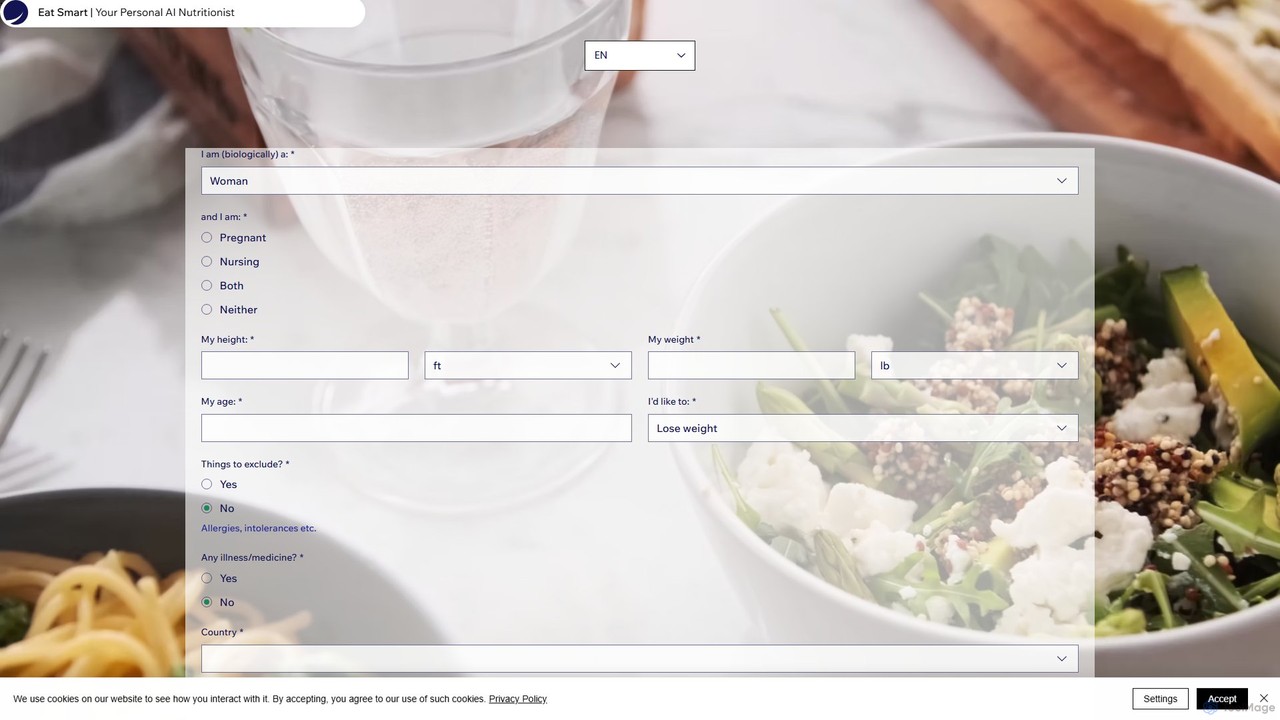
eatsmart is a free AI-powered diet plan generator that creates highly personalized meal plans. By analyzing your age, …

3.0K

About Diet

AI Diet tools are applications that leverage artificial intelligence to provide personalized nutritional guidance and meal planning. These tools analyze user data such as goals, dietary preferences, allergies, and activity levels to generate customized recommendations. They simplify the process of managing nutrition, helping users achieve health objectives like weight management, muscle gain, or adherence to specific dietary protocols. Many utilize computer vision for food logging and machine learning to adapt plans over time.

Core Features

  • Personalized Meal Planning: Generates daily or weekly meal plans tailored to individual caloric needs, macronutrient targets, and food preferences.
  • Nutrient Tracking & Analysis: Automatically calculates calories, proteins, carbs, fats, and micronutrients from logged meals.
  • Food Recognition: Uses a device's camera to identify food items and estimate portion sizes for quick logging.
  • Recipe Generation: Creates new recipes or suggests modifications to existing ones to fit specific dietary constraints.
  • Progress Monitoring: Tracks trends in weight, body measurements, and nutrient intake, providing insights and adjustments.

Use Cases

These tools are widely used by individuals aiming for specific health outcomes, such as weight loss or improved athletic performance. Fitness enthusiasts use them to align their nutrition with training regimens. They are also valuable for people managing health conditions like diabetes or food intolerances, enabling precise control over their nutrient intake. Nutritionists and dietitians may also use these platforms to create and monitor client meal plans more efficiently.

How to Choose

When selecting an AI Diet tool, consider the accuracy and size of its food database. Evaluate the level of personalization and its ability to accommodate complex dietary needs (e.g., vegan, keto, allergies). Assess the available food logging methods, such as barcode scanning, manual entry, and photo recognition. Finally, check for integrations with other health apps and fitness trackers to ensure a holistic view of your health data.

DietUse Cases

1

Personalized Weight Loss Meal Planning

An individual aiming to lose 10kg inputs their current weight, height, age, activity level, and dietary preferences (e.g., vegetarian, no nuts) into an AI Diet tool. The AI algorithm calculates their daily caloric deficit target and generates a complete 7-day meal plan. This plan includes breakfast, lunch, dinner, and snack recipes, along with a consolidated shopping list, making it simple to adhere to a structured, calorie-controlled diet without the guesswork.

2

Optimizing Nutrition for Athletic Performance

An athlete preparing for a competition uses an AI Diet tool to fine-tune their nutrition. They set specific macronutrient targets (e.g., 40% carbs, 30% protein, 30% fat) and meal timing goals around their training schedule. The tool suggests high-protein meals for post-workout recovery and complex carbohydrates for sustained energy. By tracking their intake, the athlete ensures they are fueling their body optimally for peak performance and efficient recovery.

3

Managing Diabetes with Precise Carb Counting

A person with type 2 diabetes needs to carefully monitor their carbohydrate intake to manage blood sugar levels. They use an AI Diet tool's food recognition feature by taking a photo of their meal. The AI identifies the food items, estimates their quantities, and provides an accurate carbohydrate count. This allows them to make informed decisions about insulin dosage and maintain better glycemic control, reducing the daily burden of manual calculation and estimation.

4

Adapting Recipes for Dietary Restrictions

A home cook with a gluten intolerance finds a pasta recipe they want to try. Using an AI Diet tool's recipe adaptation feature, they input the recipe's URL or ingredients. The AI analyzes the recipe and suggests specific, one-to-one substitutions, such as replacing wheat flour with an almond flour blend and recommending a specific brand of gluten-free pasta. This empowers users with dietary restrictions to explore a wider range of culinary options safely and confidently.

5

Effortless Food Logging for Busy Professionals

A busy professional struggles to find time for manual calorie counting. They adopt an AI Diet tool that features quick logging via photo. Before eating, they simply take a picture of their plate. The AI's computer vision model identifies each food item, estimates its volume, and logs the meal with its nutritional information in seconds. This 'snap and track' method removes the friction of traditional food diaries, making consistent tracking achievable even with a hectic schedule.

6

Family Meal Planning with Diverse Needs

A parent is tasked with planning meals for a family with varied dietary needs: a spouse on a low-carb diet, a vegetarian teenager, and their own goal of balanced nutrition. They use an AI Diet tool to input each family member's profile and restrictions. The AI then generates a weekly meal plan with recipes that can be easily adapted for everyone, such as a stir-fry where tofu can be substituted for chicken, or a pasta dish served with both regular and zucchini noodles. This simplifies the complex task of catering to multiple diets simultaneously.

DietFrequently Asked Questions