Meaning
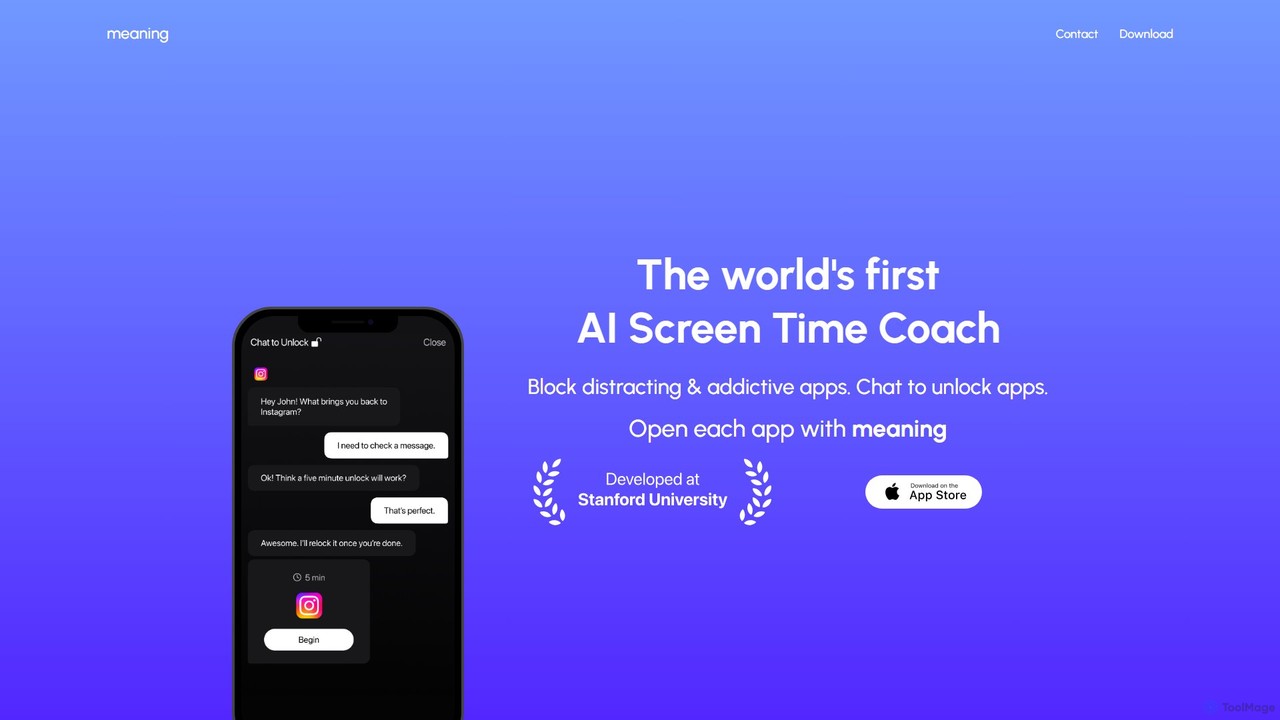
Meaning is the world's first AI Screen Time Coach for iOS. It helps you reclaim your time by …
Meaning is the world's first AI Screen Time Coach for iOS. It helps you reclaim your time by blocking distracting apps and requiring you to chat with an AI to justify your use. This unique approach fosters mindful phone usage, reduces mindless scrolling, and boosts productivity.
noporn
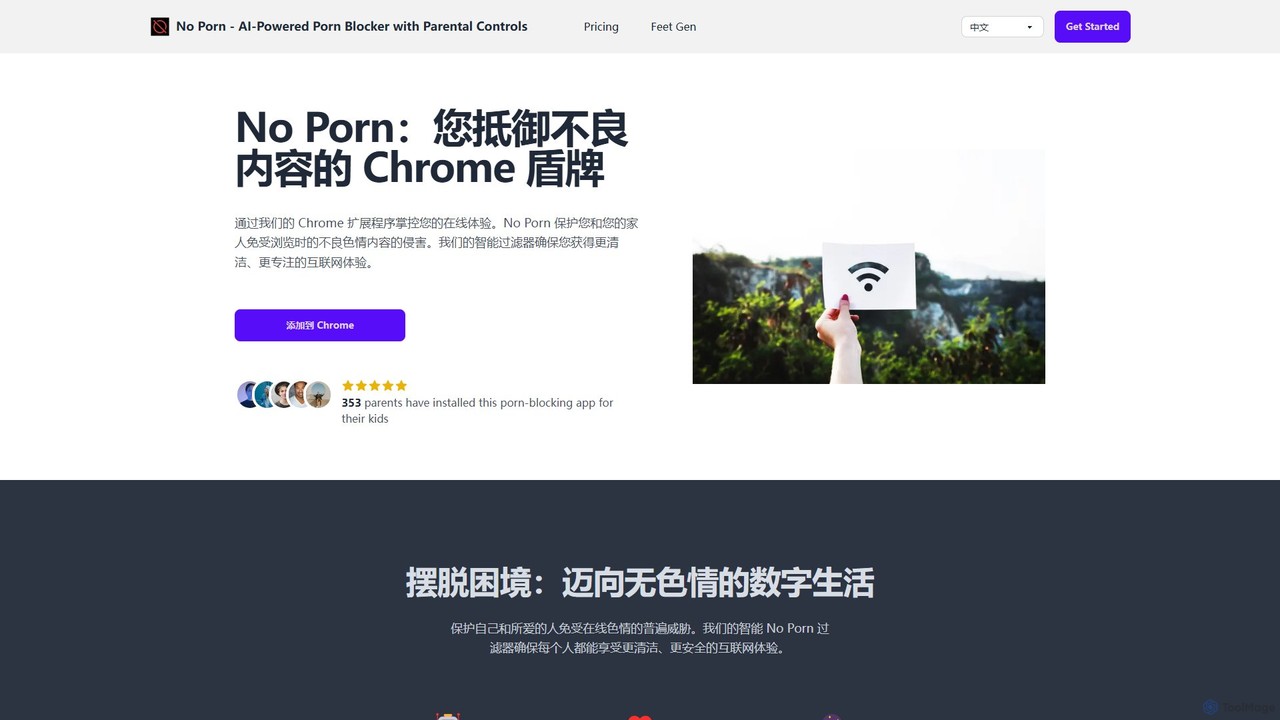
noporn is an AI-powered content blocker designed to protect users and families from explicit pornographic content online. Functioning …
noporn is an AI-powered content blocker designed to protect users and families from explicit pornographic content online. Functioning as a Chrome extension, it uses advanced AI to detect and block inappropriate material in real-time. It offers customizable filtering, parental controls with activity reports, and a privacy-first approach, ensuring a cleaner, safer, and more focused browsing experience for all ages.
About Digital Wellbeing
AI Digital Wellbeing tools are applications designed to help users cultivate a healthier relationship with technology. They leverage artificial intelligence to analyze usage patterns, predict distractions, and provide personalized interventions for better focus and mental clarity. These tools go beyond simple timers by offering intelligent blocking, mindful notifications, and actionable insights to help reduce screen time, prevent burnout, and reclaim control over digital habits. They are an essential part of modern health, focusing specifically on the mental and cognitive impacts of our digital lives.
Core Features
- Intelligent Distraction Blocking: AI algorithms automatically identify and block distracting websites and applications based on your current task or schedule.
- Usage Pattern Analysis: Provides deep insights into your digital habits, highlighting patterns of overuse or addiction and suggesting personalized improvements.
- Mindful Notification Management: Categorizes and filters notifications, silencing non-urgent alerts to reduce constant interruptions and cognitive load.
- AI Habit Coaching: Acts as a digital coach, offering prompts for breaks, setting achievable goals, and providing positive reinforcement for healthier tech use.
- Content Summarization & Filtering: Helps combat information overload by summarizing long articles or filtering out stressful and negative content on social media feeds.
Use Cases
These tools are widely used by students seeking to improve focus during study sessions, professionals and remote workers aiming to establish clear work-life boundaries, and teams looking to prevent employee burnout. They are also valuable for parents managing their children's screen time and any individual who feels overwhelmed by digital noise and wants to use technology more intentionally.
How to Choose
When selecting an AI Digital Wellbeing tool, consider its platform compatibility (desktop, mobile, browser). Evaluate the depth of its analytics and the level of customization for blocking rules. Prioritize tools with a transparent privacy policy, as they handle sensitive usage data. Finally, consider its integration capabilities with other productivity apps like calendars or task managers for a seamless workflow.
Digital WellbeingUse Cases
Enhancing Deep Work for Professionals
A software developer uses an AI Digital Wellbeing tool to create 'deep work' sessions. Before starting a coding sprint, they activate a focus mode that automatically blocks social media, news sites, and non-essential email notifications. The AI learns which applications are most distracting during work hours and suggests refining the blocklist. As a result, the developer reduces context switching, increases their productive coding time by an estimated 25%, and finishes tasks with fewer errors, all while feeling less mentally fatigued at the end of the day.
Improving Academic Focus for Students
A university student preparing for final exams uses an AI-powered focus tool to schedule dedicated study blocks. The tool integrates with their calendar and automatically activates a strict lockdown mode during these times, preventing access to gaming platforms and video streaming services. The AI provides weekly reports showing a correlation between focused study time and practice test scores. This data-driven feedback motivates the student to stick to their schedule, leading to more effective learning and better academic performance.
Establishing Healthy Work-Life Boundaries
A remote worker struggling to disconnect after hours uses an AI wellbeing app to enforce a digital curfew. The app is configured to block all work-related applications, such as Slack and company email, on their phone and personal computer after 6 PM. The AI also detects attempts to bypass the restrictions and sends a gentle reminder about the importance of downtime. Over time, this helps the user build a sustainable routine, reducing the risk of burnout and improving their overall quality of life by creating a clear separation between professional and personal time.
Reducing Social Media Overload and Anxiety
An individual feeling overwhelmed by constant social media updates uses an AI tool to curate their digital environment. The tool's AI filters their feeds to hide inflammatory or anxiety-inducing keywords and topics. It also batches all notifications from social apps into a single summary delivered twice a day, eliminating constant interruptions. This allows the user to stay connected without the negative mental health impacts of information overload and constant engagement, fostering a more mindful and intentional approach to social media.
Intelligent Screen Time Management for Families
Parents use an AI-driven digital wellbeing tool to manage their children's device usage. Instead of setting a rigid daily time limit, the AI allows for a more dynamic approach. It can allocate more screen time on weekends or as a reward for completing homework, which is tracked via an integrated task list. The tool also analyzes the types of content being consumed, blocking inappropriate websites and providing parents with a high-level summary of their child's digital activities. This fosters a healthier, more balanced approach to screen time based on trust and positive reinforcement.
Mindful Device Usage Coaching
A user looking to reduce mindless phone scrolling engages an AI habit coach. The app doesn't just block apps; it learns the user's patterns, such as opening social media out of boredom. When it detects such behavior, it intervenes with a mindful prompt, like suggesting a 5-minute breathing exercise or a short walk. It sets small, achievable weekly goals, such as reducing evening screen time by 15 minutes. By providing gentle, context-aware nudges instead of harsh restrictions, the AI helps the user build long-term, healthier digital habits organically.