ToolMage
Sign in

Best 1 First Aid AI tools for Health

Popular First Aid AI tools in Health include Water-Jel Blanket, helping you work more efficiently.

Water-Jel Blanket
Paid

Water-Jel Blanket

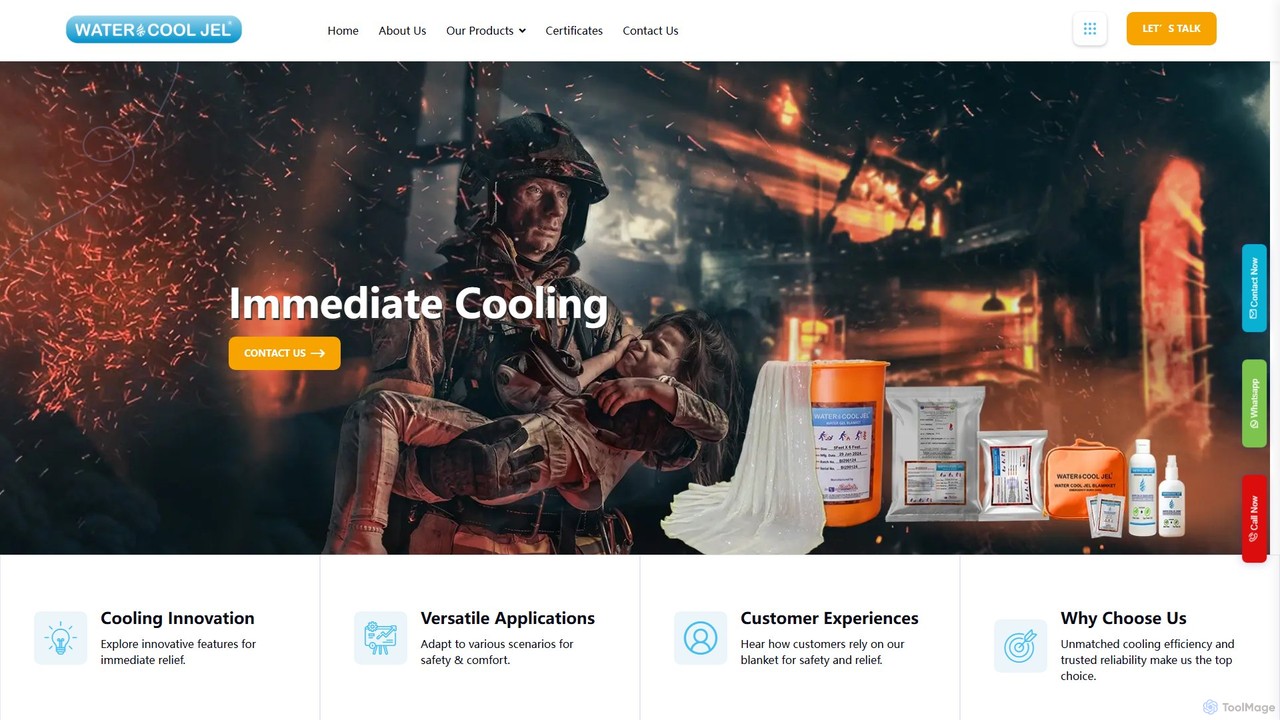
Water-Jel Blanket by Balaji Industries is a professional-grade emergency burn care product. This water-based gel-soaked blanket provides immediate cooling and pain relief for thermal burns. Designed to be non-adherent, it stops the burning process, protects against contamination, and is essential for first responders, industrial safety, and home first aid kits. Available in various sizes for versatile application.

First Aid
Visits 6KFavorites 141Likes 141

About First Aid

First Aid AI tools are intelligent applications designed to provide immediate assistance, guidance, and information during medical emergencies or critical health situations. These tools leverage artificial intelligence, including natural language processing and expert systems, to analyze symptoms, offer step-by-step first aid instructions, and connect users with emergency resources. They empower individuals and first responders to act quickly and appropriately, potentially improving outcomes by bridging the knowledge gap in urgent scenarios. By offering accessible and reliable support, these AI solutions enhance preparedness and response capabilities in various settings.

Core Features

  • Symptom Analysis: AI algorithms assess reported symptoms to suggest potential conditions or recommend appropriate next steps, such as seeking professional medical attention.
  • Emergency Guidance: Provides clear, step-by-step instructions for common first aid procedures like CPR, choking relief, or wound care, often with visual aids.
  • Resource Locator: Identifies and directs users to the nearest hospitals, emergency services, or pharmacies based on their current location.
  • Medical Information Access: Offers quick, reliable access to a vast database of medical knowledge, helping users understand conditions and treatments.
  • Remote Consultation Integration: Facilitates immediate connection with medical professionals or tele-health services for real-time advice and support.

Applicable Scenarios

These tools are invaluable in situations ranging from household accidents to public emergencies. They are used by individuals needing immediate self-care advice, parents responding to child injuries, or even trained first responders seeking quick protocol refreshers. For example, a hiker in a remote area could use an AI tool to get guidance on treating a snake bite while waiting for help.

How to Choose

When selecting a First Aid AI tool, consider its accuracy and reliability of medical information, which should be sourced from reputable organizations. Evaluate the clarity and comprehensiveness of its emergency guidance, ensuring it covers a wide range of scenarios. Look for features like offline access, multilingual support, and integration with local emergency services. User interface simplicity and data privacy policies are also crucial for effective and trustworthy use.

First Aid use cases

1

Immediate Guidance for Household Accidents

A parent faces a child's burn injury at home. Using a First Aid AI tool, they input the injury type and severity. The AI provides immediate, step-by-step instructions on how to cool the burn, cover it, and when to seek professional medical help, ensuring correct initial care before paramedics arrive.

2

Assisting Bystanders in Public Emergencies

A bystander witnesses someone collapse in a public place. They quickly open a First Aid AI app, which guides them through assessing consciousness, checking for breathing, and initiating CPR with real-time audio cues, while simultaneously directing them to call emergency services.

3

Remote Medical Information for Travelers

A traveler in a foreign country experiences an allergic reaction. They use an AI First Aid tool to quickly identify symptoms, understand potential causes, and locate the nearest English-speaking pharmacy or medical clinic, overcoming language barriers and accessing critical information.

4

Enhancing Workplace Safety Protocols

A workplace safety officer integrates a First Aid AI tool into their emergency response system. In case of an industrial accident, employees can access the tool for specific guidance on chemical exposure or machinery-related injuries, ensuring adherence to safety protocols and minimizing harm.

5

Supporting Outdoor Enthusiasts in Remote Areas

An outdoor enthusiast on a solo hike suffers a sprained ankle. They use an offline-capable First Aid AI tool to get instructions on how to stabilize the injury, manage pain, and safely self-evacuate or signal for help, providing critical support where internet access is limited.

6

Initial Mental Health Crisis Support

An individual experiencing a panic attack or severe anxiety can turn to a First Aid AI tool for immediate mental health support. The AI offers calming techniques, guided breathing exercises, and directs them to mental health hotlines or crisis intervention services, providing a crucial first step towards stability.

First Aid FAQ

What are First Aid AI tools?

First Aid AI tools are digital applications that utilize artificial intelligence to offer immediate assistance and guidance during health emergencies. They analyze symptoms, provide step-by-step first aid instructions, and help locate emergency services. Their core purpose is to empower individuals with critical information and support to respond effectively in urgent medical situations, potentially improving patient outcomes.

How do First Aid AI tools work?

These tools typically work by processing user input (e.g., reported symptoms, injury type) through AI algorithms, often based on expert systems and natural language processing. They compare this information against vast medical databases and established first aid protocols to generate relevant advice, instructions, or resource recommendations. Some may also use location services to find nearby emergency facilities.

Are First Aid AI tools a substitute for professional medical help?

No, First Aid AI tools are not a substitute for professional medical diagnosis or treatment. They are designed to provide initial guidance and support in emergencies until professional medical help can be obtained. While highly informative, they cannot account for all individual medical histories or complex scenarios that require human medical expertise. Always seek professional medical attention for serious conditions.

What kind of emergencies can First Aid AI tools assist with?

First Aid AI tools can assist with a wide range of common emergencies, including minor cuts and burns, sprains, choking incidents, allergic reactions, heatstroke, and even guiding through CPR. Some advanced tools may also offer initial support for mental health crises or provide information on managing chronic conditions during an acute flare-up. They are generally focused on immediate, life-saving or injury-stabilizing actions.

What should I consider for data privacy when using First Aid AI tools?

When using First Aid AI tools, it's crucial to review their data privacy policies. Since you might be inputting sensitive health information, ensure the tool encrypts data, does not share personal health information with third parties without consent, and complies with relevant health data protection regulations (e.g., HIPAA in the US, GDPR in Europe). Opt for tools from reputable developers with transparent privacy practices.

How to choose the right First Aid AI tool?

When selecting a First Aid AI tool, prioritize accuracy and reliability of medical information, ensuring it's sourced from reputable organizations. Evaluate the clarity and comprehensiveness of its emergency guidance, checking for a wide range of covered scenarios. Key features to look for include offline access, multilingual support, and seamless integration with local emergency services. Also, consider the simplicity of the user interface and the transparency of its data privacy policies for effective and trustworthy use.