ToolMage
Sign in

Best 10 Fitness Calculators AI tools for Health

Popular Fitness Calculators AI tools in Health include Fitia, Fitbod, Nori, Cloudfit, StrideFuel, bri_calculator, PPLeGPT, Trainwithkiwi, GitFit, and Withaccuratefood, helping you work more efficiently.

GitFit

GitFit

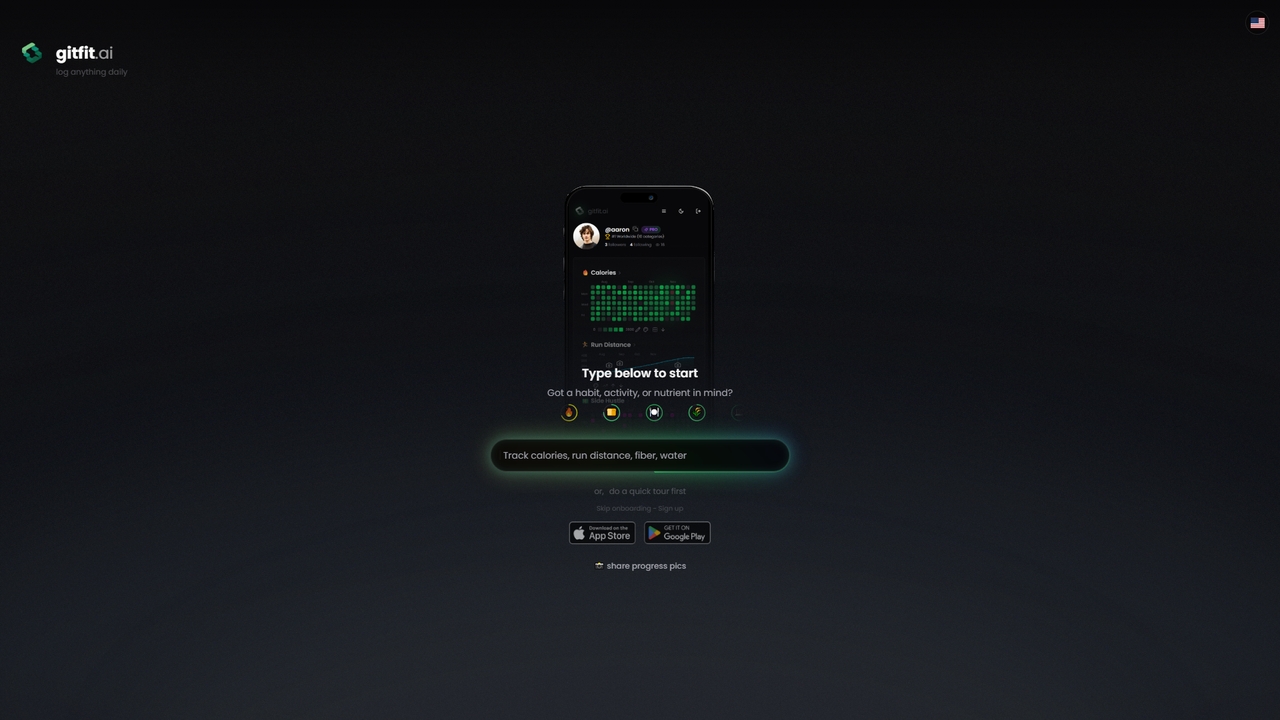
GitFit is an AI-powered fitness and habit-tracking application that combines calorie counting, activity logging, and progress visualization. It allows you to track any custom metric using AI scanning, featuring a clean interface inspired by GitHub commit charts. Your data is fully encrypted and exportable, ensuring privacy and flexibility.

3D
Visits 6KFavorites 33Likes 38
StrideFuel
Freemium

StrideFuel

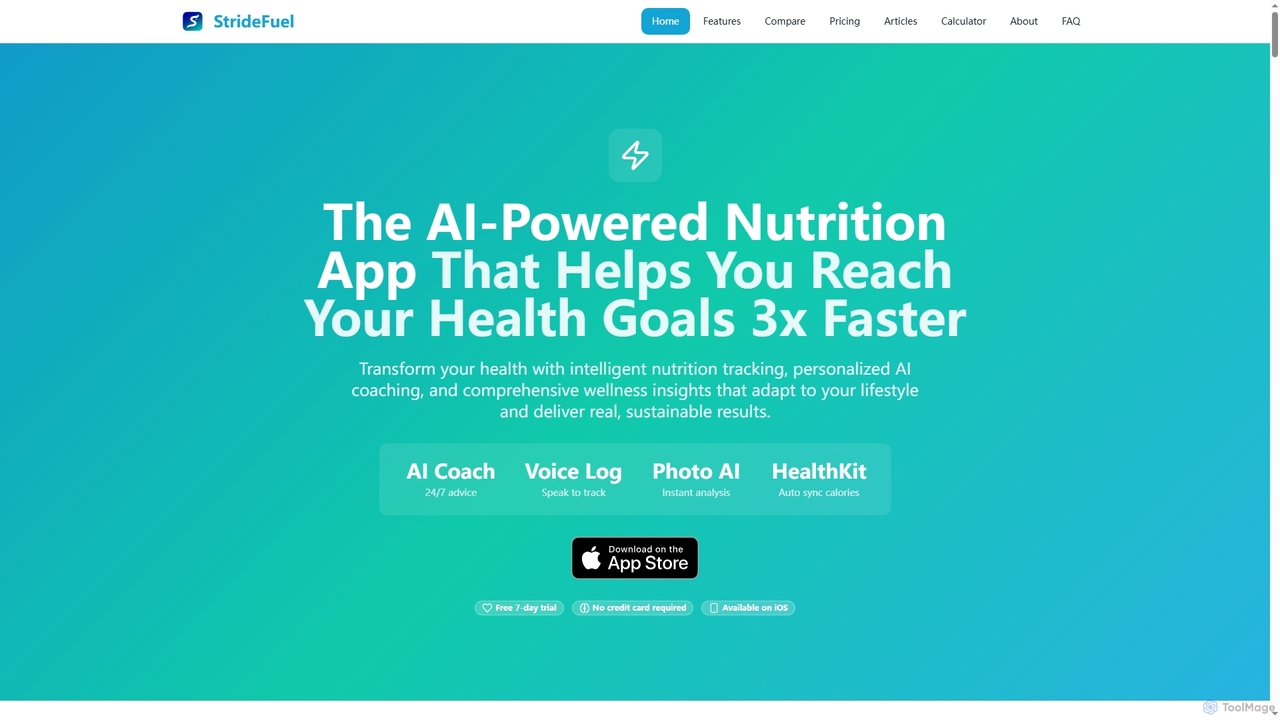
StrideFuel is an AI-powered nutrition and calorie tracking app for iOS designed to help users reach health goals 3x faster. It features 24/7 AI coaching, voice and photo food logging, seamless Apple HealthKit integration, and comprehensive wellness tracking for macros, sleep, HRV, and more.

3D
Visits 7.4KFavorites 119Likes 128
Withaccuratefood
Freemium

Withaccuratefood

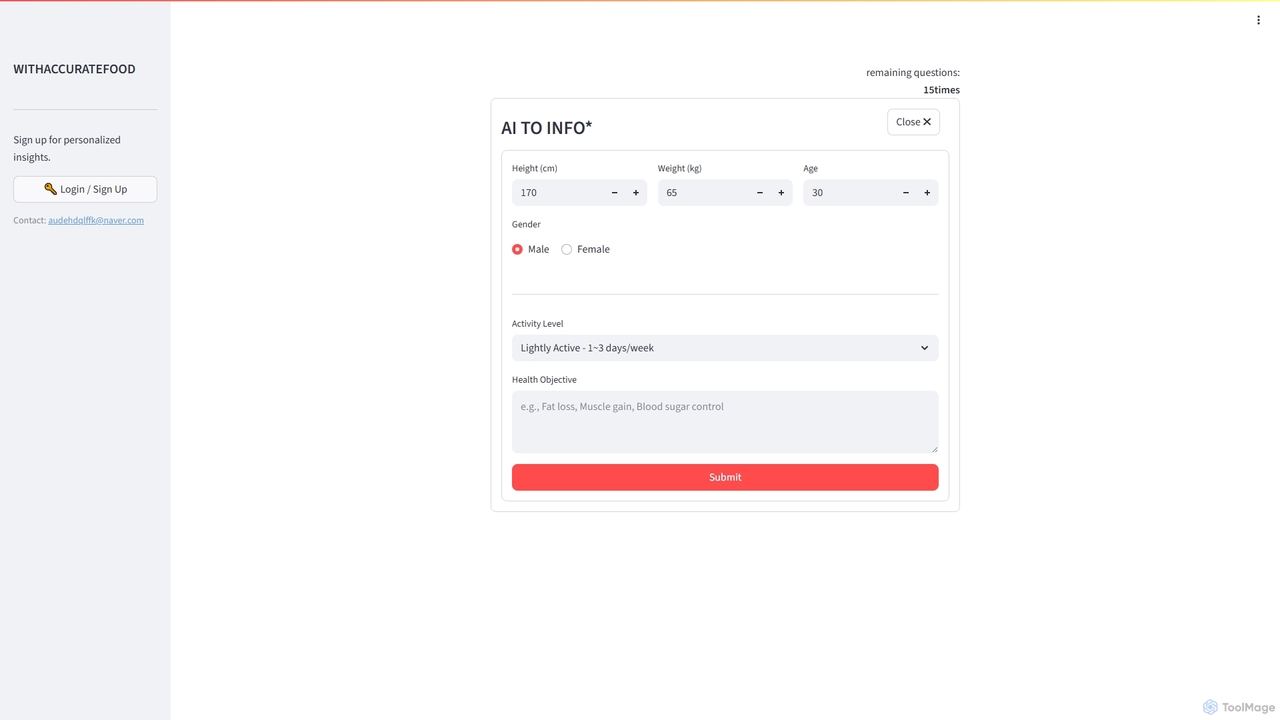
Withaccuratefood is an AI-powered health and nutrition tool that provides personalized insights based on your unique physical data and health goals. By inputting your height, weight, age, gender, and activity level, the tool generates tailored recommendations to help you achieve your desired health objectives.

Fitness Calculators
Visits 5.9KFavorites 124Likes 133
Cloudfit

Cloudfit

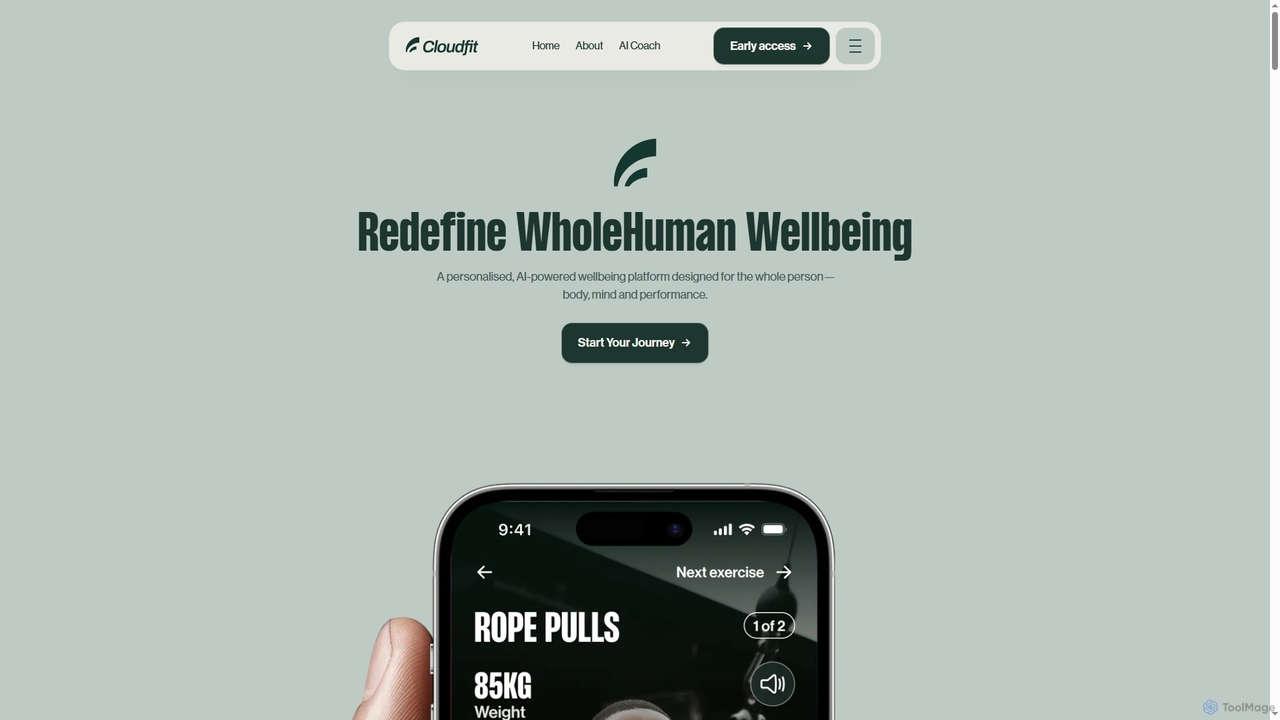
Cloudfit is an AI-powered wellbeing platform for holistic health, covering body, mind, and performance. It combines a 24/7 AI coach with certified human experts to deliver personalized fitness, nutrition, and wellness plans that adapt to your goals, progress, and daily life. Track trends, get data-driven insights, and receive real-time support to unlock your full potential.

3D
Visits 7.7KFavorites 167Likes 159
Nori
Free

Nori

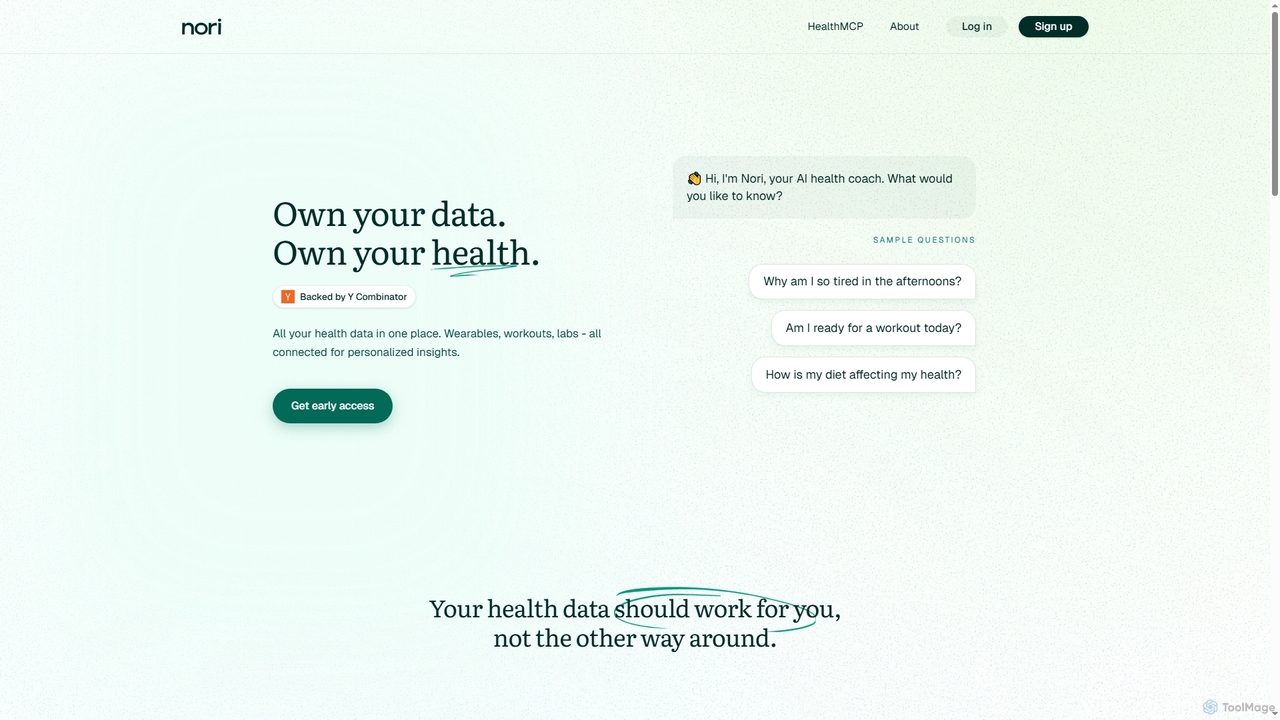
Nori is an AI health coach that centralizes all your health data from wearables, lab results, and fitness apps. It provides personalized insights to help you understand trends in your sleep, energy, and recovery, empowering you to take control of your health journey. Backed by Y Combinator, Nori focuses on data ownership and privacy.

3D
Visits 22.3KFavorites 107Likes 102
PPLeGPT
Free

PPLeGPT

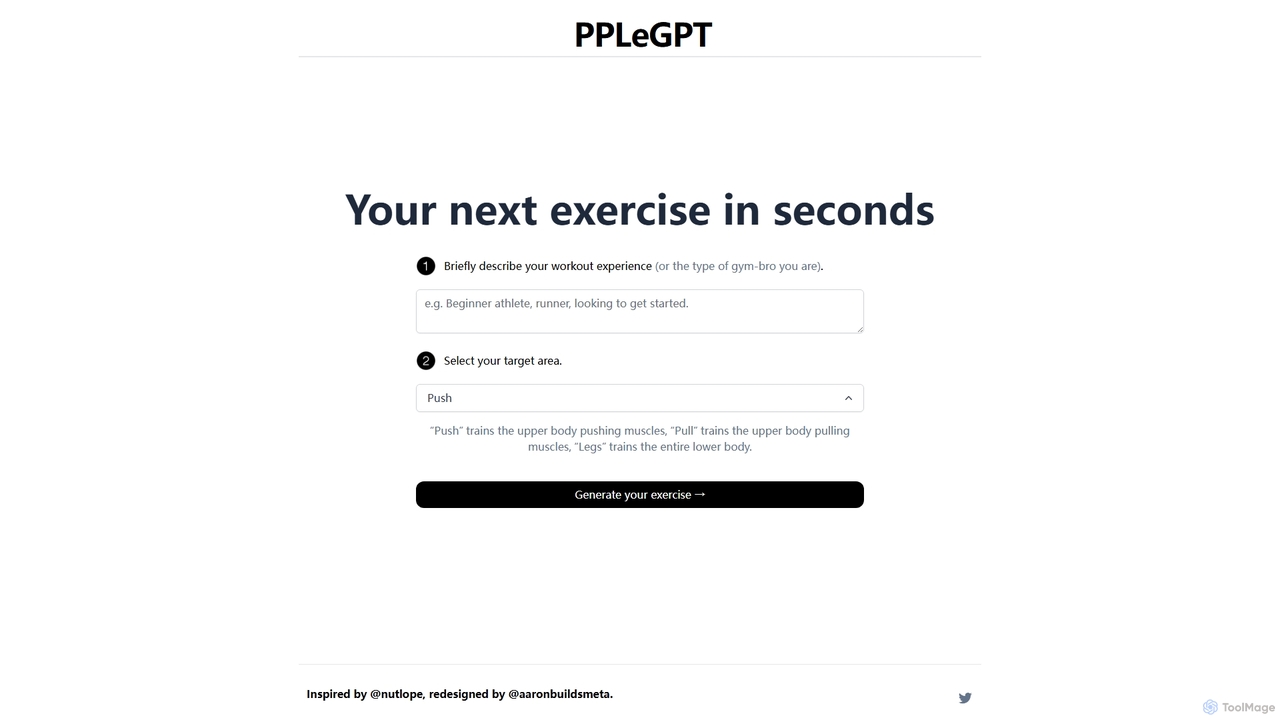
PPLeGPT is an AI-powered workout generator that creates personalized 'Push, Pull, Legs' (PPL) training plans in seconds. Simply describe your fitness level and select a target muscle group to receive a tailored exercise routine, designed to optimize your strength training and help you achieve your fitness goals efficiently.

3D
Visits 6.1KFavorites 163Likes 131
Trainwithkiwi
Freemium

Trainwithkiwi

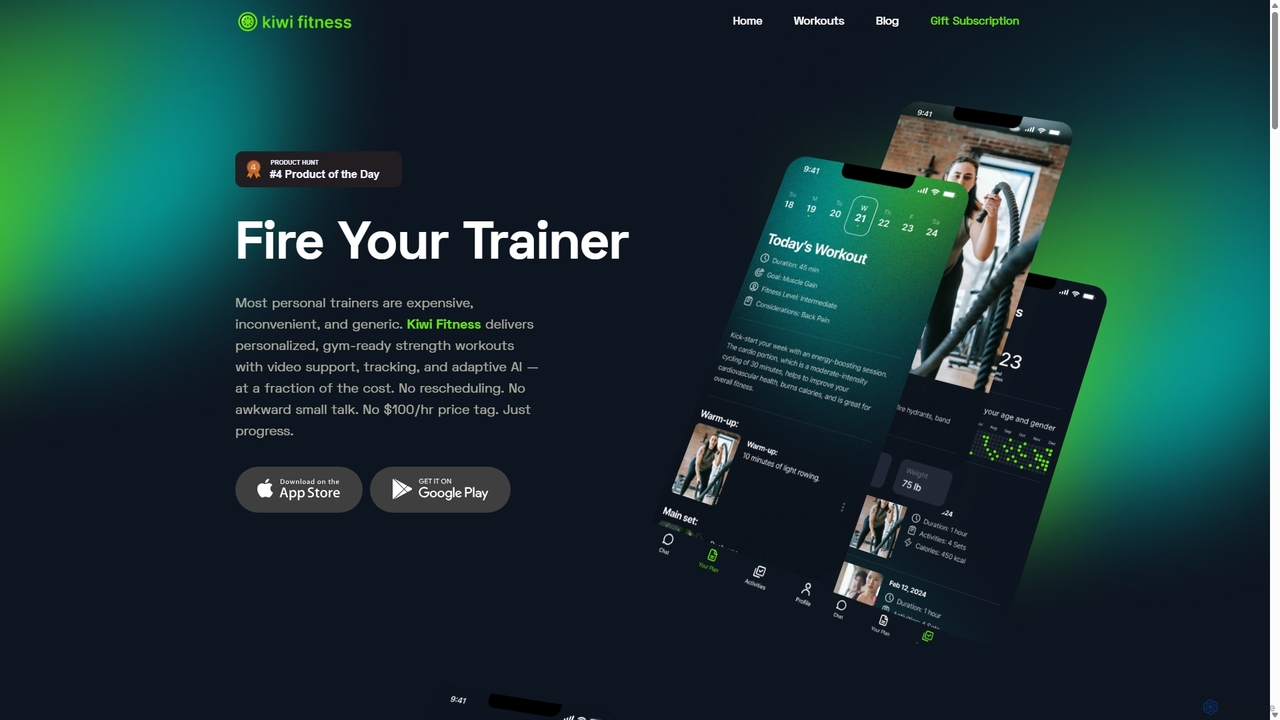
Trainwithkiwi is an AI-powered fitness coach and social network designed for strength training. It creates personalized, science-backed workout plans and uses gamification and community features to keep you motivated. Log workouts hands-free with speech-to-text and track your progress seamlessly. Ideal for various goals, from muscle building and rehabilitation to postpartum fitness.

3D
Visits 6KFavorites 107Likes 120
Fitia
Freemium

Fitia

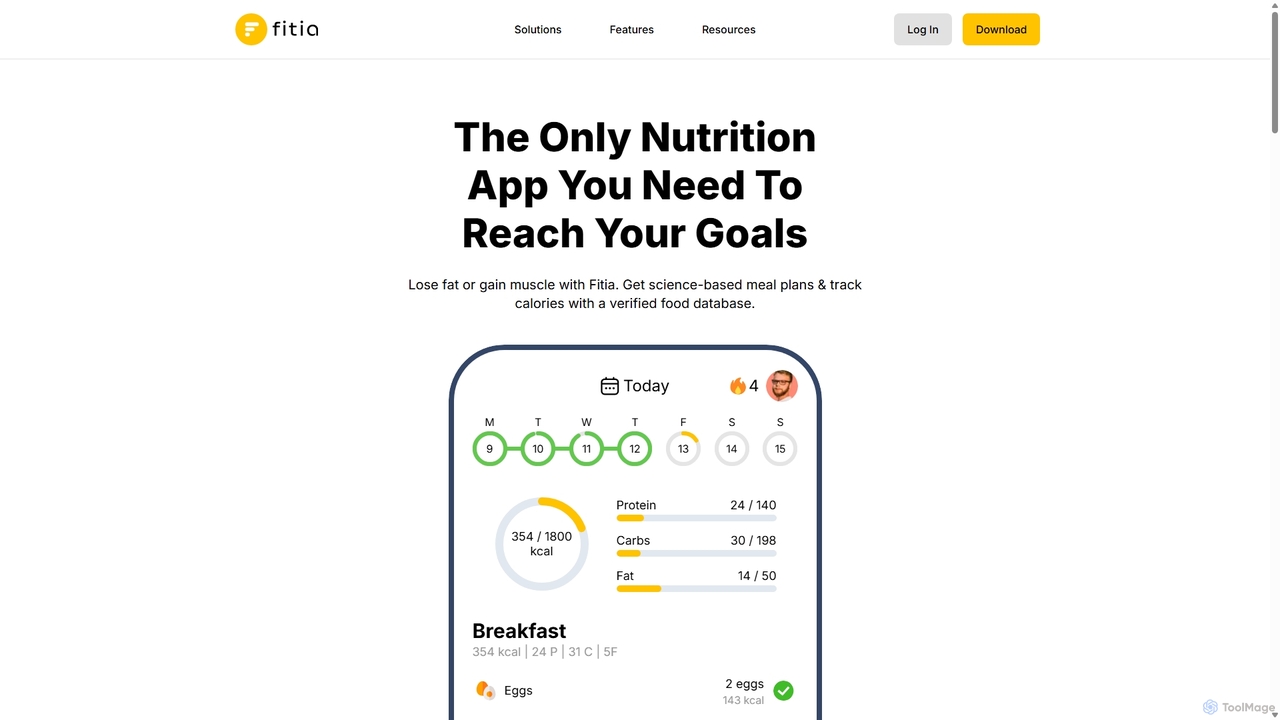
Fitia is an AI-powered nutrition app that creates science-based meal plans and tracks calories to help you lose fat or gain muscle. It features a verified food database, personalized macro targets, progress tracking, and automated shopping lists for a comprehensive approach to achieving your fitness goals.

3D
Visits 951.6KFavorites 121Likes 141
Fitbod
Freemium

Fitbod

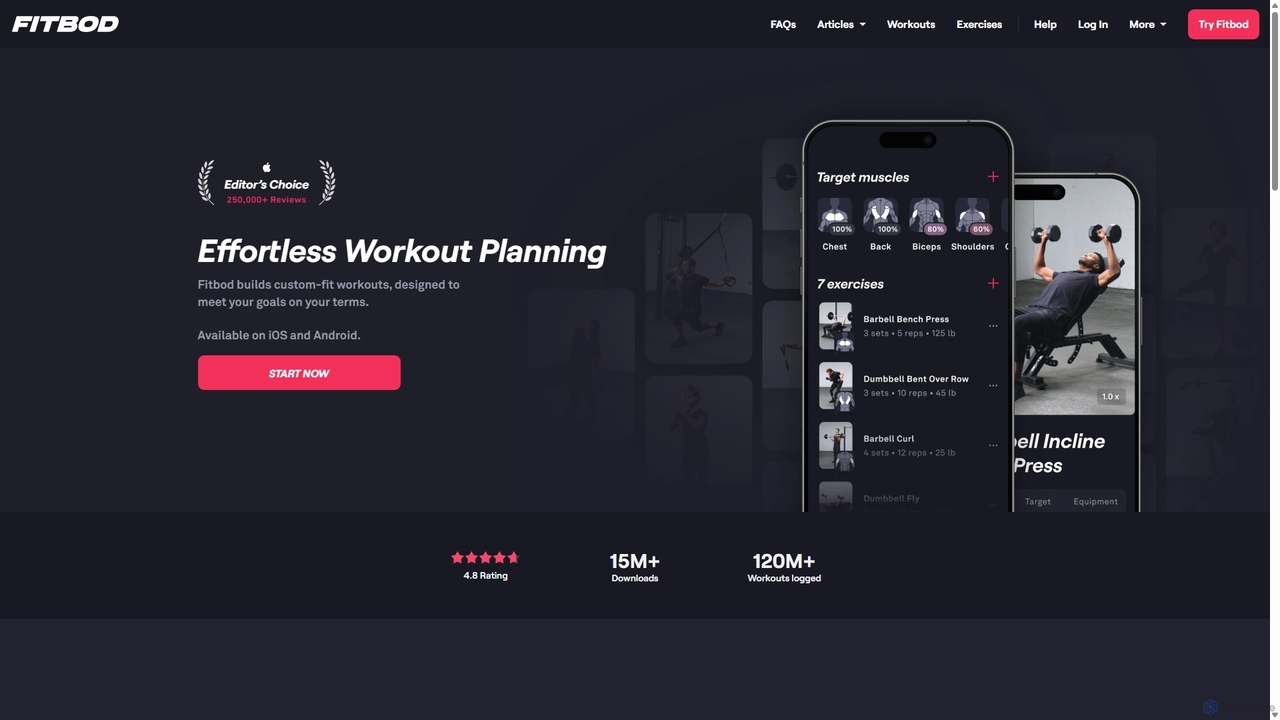
Fitbod is an AI-powered personal training app that creates customized strength training workouts. It adapts to your goals, available equipment, and performance, using a science-backed algorithm to optimize muscle recovery and apply progressive overload for maximum gains.

3D
Visits 627.8KFavorites 161Likes 133
bri_calculator
Free

bri_calculator

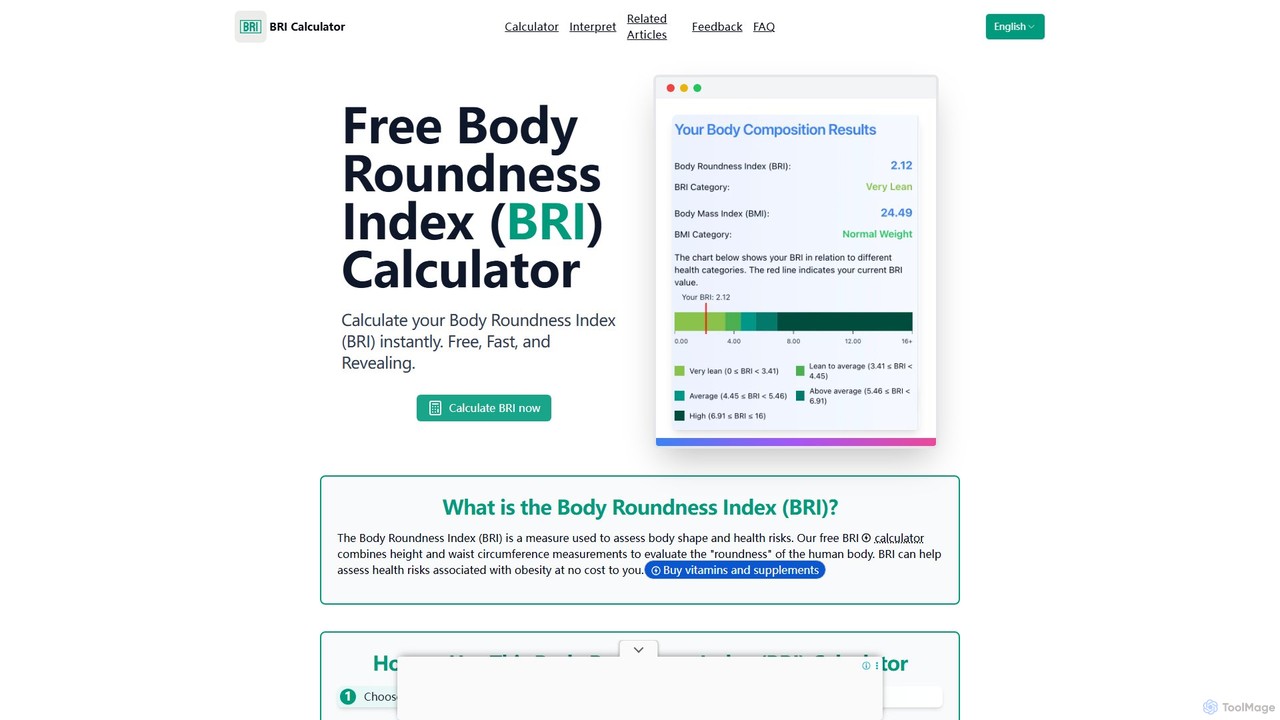
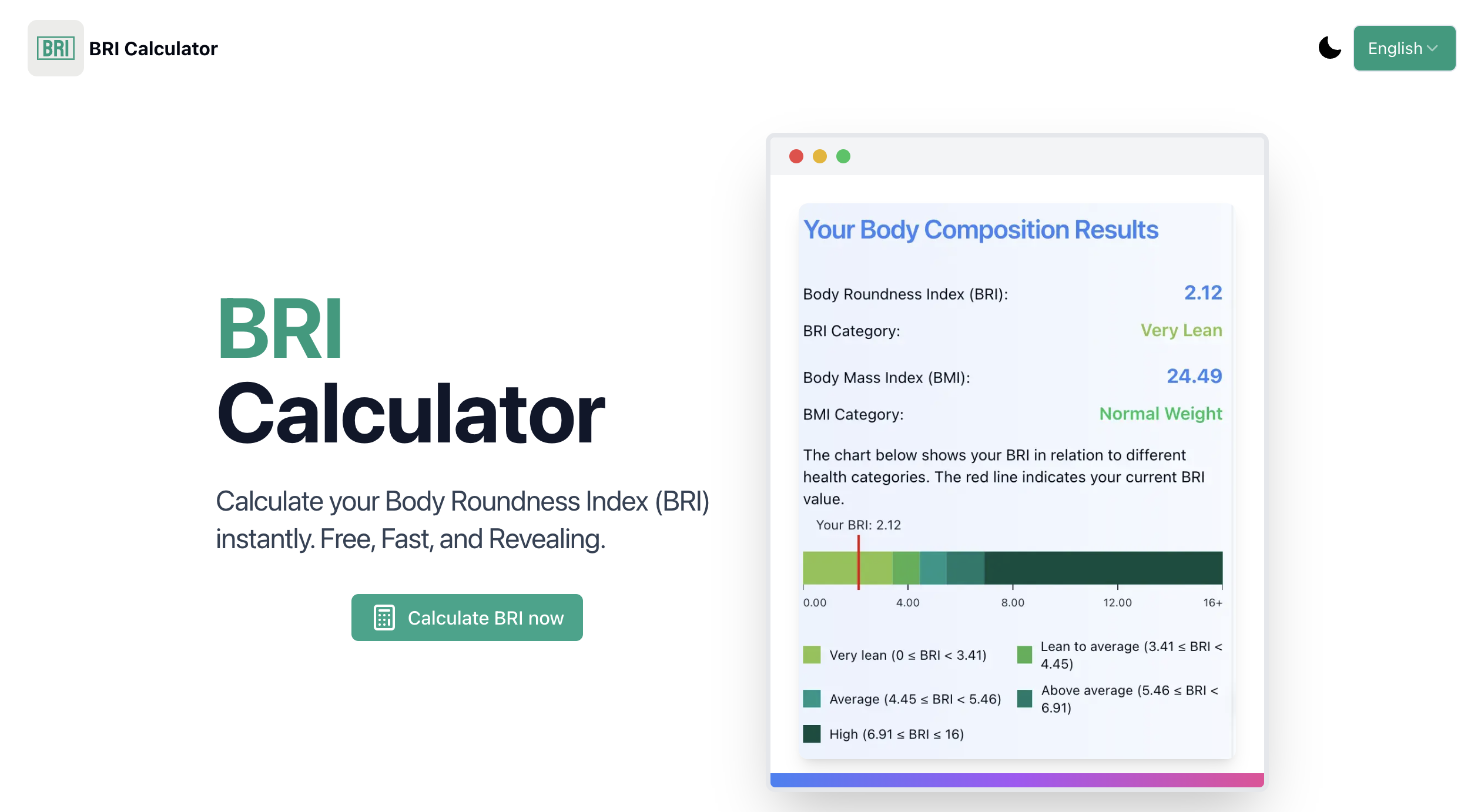
A free online tool to calculate your Body Roundness Index (BRI), a modern and more accurate alternative to BMI. It uses height, weight, and waist circumference to provide a nuanced assessment of your body shape, fat distribution, and potential health risks.

Fitness Calculators
Visits 7KFavorites 118Likes 120

About Fitness Calculators

Fitness Calculators are specialized digital tools designed to process personal health and activity data, providing precise metrics and insights for fitness and wellness management. These tools leverage established scientific formulas and algorithms to help users understand their body's needs, track progress, and set achievable health goals. They serve as essential companions for anyone looking to optimize their physical performance, manage weight, or simply maintain a healthier lifestyle by offering data-driven guidance.

Core Features

  • Body Composition Analysis: Calculates metrics like BMI, body fat percentage, and ideal weight based on height, weight, age, and gender.
  • Calorie & Macronutrient Tracking: Estimates daily caloric needs for various goals (weight loss, gain, maintenance) and breaks down recommended protein, carb, and fat intake.
  • Target Heart Rate Zones: Determines optimal heart rate ranges for different exercise intensities, aiding in effective cardiovascular training.
  • Workout Volume & Intensity: Helps plan and track exercise load, repetitions, and sets to ensure progressive overload and prevent overtraining.
  • Hydration Needs: Calculates daily fluid intake recommendations based on activity level, climate, and body weight.

Applicable Scenarios

Fitness Calculators are widely used by individuals pursuing specific fitness goals, from amateur athletes optimizing training to those managing chronic health conditions. Personal trainers and nutritionists also utilize these tools to create tailored plans for their clients, ensuring data-backed recommendations for diet and exercise. They are invaluable for anyone needing quantitative data to guide their health journey.

How to Choose

When selecting a fitness calculator, prioritize accuracy and the scientific basis of its formulas. Look for tools that allow detailed input (e.g., activity level, specific goals) for personalized results. Consider the range of calculations offered, user-friendliness, and whether it integrates with other fitness trackers or apps you use. Finally, check for customization options that allow adjustments based on individual needs or dietary preferences.

Featured tool rankings

Fitness Calculators use cases

1

Calculate Daily Calorie & Macro Needs for Weight Loss

A fitness enthusiast aiming for sustainable weight loss uses a fitness calculator to accurately determine their basal metabolic rate (BMR) and total daily energy expenditure (TDEE). By inputting their current weight, height, age, activity level, and target deficit, the tool provides a precise daily calorie target and macronutrient breakdown (protein, carbs, fats), enabling them to plan meals effectively and track intake to achieve their weight goal without guesswork.

2

Optimize Training Intensity with Target Heart Rate Zones

An amateur runner preparing for a marathon utilizes a target heart rate calculator to define their training zones. By entering their age and resting heart rate, the tool calculates their maximum heart rate and specific zones (e.g., fat-burning, aerobic, anaerobic). This allows the runner to monitor their heart rate during workouts, ensuring they train at the optimal intensity for endurance building and avoiding overexertion, leading to more efficient and safer training sessions.

3

Determine Body Composition Metrics for Muscle Gain

An individual focused on building muscle mass employs a body composition calculator to track progress beyond just scale weight. By inputting measurements like waist, hip, and neck circumference, along with height and weight, the tool estimates body fat percentage and lean muscle mass. This provides a more accurate picture of body changes, helping them adjust their strength training regimen and diet to maximize muscle hypertrophy and minimize fat gain.

4

Plan Hydration for High-Intensity Workouts

A cross-fit athlete engaging in intense daily workouts uses a hydration calculator to ensure adequate fluid intake. Based on their body weight, activity duration, intensity, and environmental factors (like temperature), the tool recommends a personalized daily water intake. This proactive approach helps prevent dehydration, maintain peak performance, and support recovery, crucial for demanding physical activities.

5

Assess Workout Volume for Strength Training Progression

A weightlifter seeking to implement progressive overload in their strength training program uses a workout volume calculator. By inputting the weight lifted, repetitions, and sets for each exercise, the tool calculates the total volume for a session or week. This data helps the lifter objectively assess if they are increasing their workload over time, preventing plateaus and guiding adjustments to their training split for continuous strength gains.

6

Estimate Ideal Weight Range for Health Management

An individual concerned about their overall health consults an ideal weight calculator to understand a healthy weight range for their body. By providing their height, age, and gender, the tool offers a scientifically-backed weight bracket, often considering BMI and other factors. This information serves as a valuable benchmark, guiding discussions with healthcare professionals and motivating lifestyle changes towards a healthier body weight.

Fitness Calculators FAQ

What are Fitness Calculators?

Fitness Calculators are digital tools that use mathematical formulas and algorithms to provide personalized metrics and insights related to physical health and fitness. They process user-specific data like age, weight, height, and activity levels to generate information such as calorie needs, body mass index (BMI), target heart rates, and macronutrient breakdowns. Their primary purpose is to help individuals understand their body better, set realistic goals, and optimize their diet and exercise routines for improved health and performance.

How do I choose the best fitness calculator for my needs?

Choosing the right fitness calculator involves considering several factors. First, assess your specific goals: do you need to track calories, calculate heart rate zones, or analyze body composition? Look for tools that offer the specific calculations you require and are based on reputable scientific formulas for accuracy. Consider the user interface for ease of data input and interpretation, and check if it integrates with other fitness apps or devices you use. Finally, prioritize calculators that allow for customization based on individual health conditions or dietary preferences.

What types of calculations can fitness tools perform?

Fitness calculators can perform a wide array of calculations to support various health and fitness goals. Common types include:

  • Body Mass Index (BMI) and Ideal Weight: To assess weight status.
  • Basal Metabolic Rate (BMR) and Total Daily Energy Expenditure (TDEE): For calorie planning.
  • Macronutrient Ratios: To determine optimal protein, carb, and fat intake.
  • Target Heart Rate Zones: For effective cardiovascular training.
  • One-Rep Max (1RM): To gauge strength levels in weightlifting.
  • Hydration Needs: To ensure adequate fluid intake.
  • Workout Volume: To track and plan training load.

Who can benefit from using fitness calculators?

A wide range of individuals can significantly benefit from using fitness calculators. This includes fitness enthusiasts and athletes looking to optimize their training and nutrition for peak performance, individuals aiming for weight management (loss, gain, or maintenance) who need precise calorie and macro guidance, and anyone interested in understanding their body composition and overall health metrics. Personal trainers, nutritionists, and health coaches also find these tools invaluable for creating data-driven, personalized plans for their clients, ensuring recommendations are tailored and effective.

How do fitness calculators differ from general health tracking apps?

While both fitness calculators and general health tracking apps contribute to wellness, their primary focus differs. Fitness calculators are specialized tools designed for specific, often complex, mathematical computations related to physical activity, nutrition, and body metrics (e.g., calculating BMR, target heart rate, macronutrient splits). General health tracking apps, on the other hand, typically offer broader functionalities like logging daily activities, sleep patterns, water intake, and mood, often with less emphasis on deep, personalized calculations. Fitness calculators provide the "what" and "how much" for specific goals, while tracking apps focus on the "what happened" and "when."