ToolMage
Sign in

Best 1 Longevity AI tools for Health & Fitness

Popular Longevity AI tools in Health & Fitness include deathclock, helping you work more efficiently.

deathclock
Freemium

deathclock

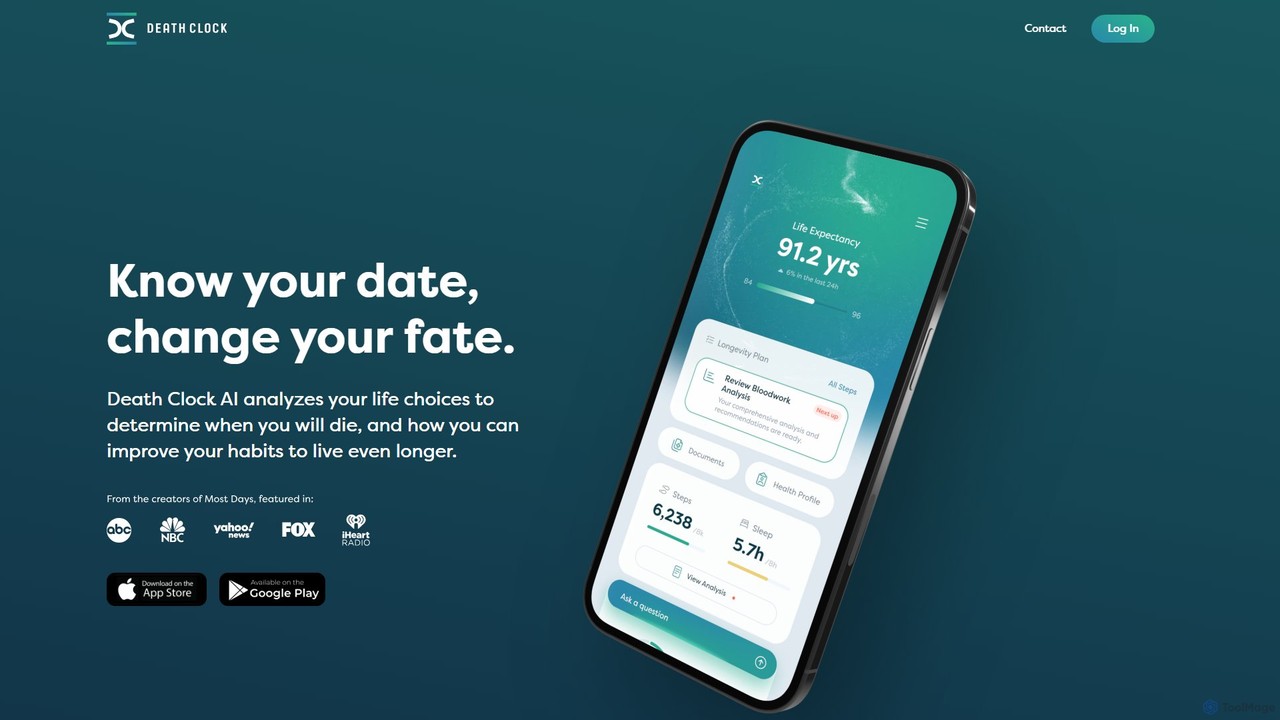
deathclock is an AI-powered longevity application that analyzes your lifestyle, habits, and health data to predict your potential lifespan. Using advanced algorithms and CDC data, it provides a "death date" to motivate positive change and offers personalized recommendations to help you improve your habits and live a longer, healthier life.

Health Tracking
Visits 24KFavorites 138Likes 133

About Longevity

Longevity AI tools are a specialized category within Health & Fitness that leverage artificial intelligence to analyze biological, lifestyle, and environmental data, aiming to extend healthy human lifespan. These advanced platforms utilize machine learning to identify personalized health risks, predict disease susceptibility, and recommend tailored interventions for optimal aging. They empower individuals to take a proactive, data-driven approach to health management, focusing on preventative strategies and lifestyle optimization for a longer, healthier life.

Core Features

  • Personalized Health Assessment: AI analyzes genetic data, biomarkers, lifestyle, and medical history to provide a comprehensive health profile and risk assessment.
  • Predictive Analytics: Machine learning models forecast potential health issues, such as chronic diseases or age-related decline, based on individual data patterns.
  • Tailored Intervention Recommendations: Suggests personalized diet plans, exercise routines, supplement protocols, and lifestyle adjustments to mitigate risks and promote healthy aging.
  • Biomarker Tracking & Optimization: Monitors key biological markers (e.g., blood tests, sleep data, activity levels) over time, providing insights and recommendations for improvement.
  • Digital Health Coaching: Offers AI-driven guidance and support to help users adhere to their personalized longevity plans and achieve health goals.

Use Cases

Individuals seeking to optimize their health and extend their healthy lifespan can use these tools for personalized health insights and preventative strategies. Researchers and clinicians can leverage AI for advanced biomarker analysis and identifying novel anti-aging interventions. Wellness coaches can integrate these platforms to offer data-driven, personalized programs to their clients.

How to Choose

When selecting a Longevity AI tool, consider the breadth of data integration (genomic, proteomic, lifestyle), the scientific validity of its recommendations, the level of personalization offered, data privacy and security protocols, and the clarity of its user interface. Evaluate whether it provides actionable insights and supports long-term health tracking.

Longevity use cases

1

Develop Personalized Anti-Aging Protocols

Individuals concerned with age-related decline can utilize Longevity AI tools to generate highly personalized anti-aging plans. By inputting genetic data, blood test results, lifestyle habits, and health goals, the AI analyzes vast datasets to identify specific risk factors and recommend tailored interventions. This includes precise dietary adjustments, targeted supplement recommendations, optimized exercise regimens, and stress management techniques, all designed to slow biological aging and enhance vitality.

2

Predict Future Disease Risks Proactively

Health-conscious individuals can leverage Longevity AI to gain foresight into potential future health challenges. The AI processes a user's comprehensive health data, including family history and environmental factors, to predict susceptibility to chronic diseases like diabetes, cardiovascular issues, or neurodegenerative conditions years in advance. This early warning system enables users to implement preventative measures and lifestyle changes, significantly reducing their risk and promoting long-term health.

3

Optimize Lifestyle for Extended Healthy Lifespan

Users aiming to maximize their healthy years can employ Longevity AI tools to fine-tune their daily habits. The AI continuously monitors sleep patterns, activity levels, nutrition intake, and stress indicators, providing real-time feedback and actionable suggestions. For instance, it might recommend specific sleep hygiene practices, adjust caloric intake based on activity, or suggest mindfulness exercises, all aimed at fostering cellular health and delaying the onset of age-related conditions.

4

Track and Improve Key Longevity Biomarkers

Individuals focused on quantifiable health improvements can use Longevity AI to monitor and optimize critical biological markers. After integrating data from wearable devices, lab tests (e.g., telomere length, epigenetic age, inflammatory markers), the AI visualizes trends and identifies areas for improvement. It then suggests targeted interventions, such as specific nutrients or exercise types, to positively influence these biomarkers, providing a data-driven approach to reversing or slowing biological aging.

5

Receive Personalized Supplement and Nutrition Guidance

For those seeking to enhance their diet and supplement regimen, Longevity AI tools offer bespoke recommendations. Based on individual genetic predispositions, existing nutrient deficiencies, and health goals, the AI suggests specific foods, micronutrients, and supplements. This personalized approach ensures that users are consuming optimal nutrients to support cellular repair, reduce oxidative stress, and bolster immune function, contributing directly to a longer, healthier life.

6

Research Novel Anti-Aging Interventions

Researchers and scientists in the field of gerontology can utilize Longevity AI platforms for advanced data analysis and hypothesis generation. These tools can process vast amounts of genomic, proteomic, and clinical trial data to identify potential new targets for anti-aging therapies or evaluate the efficacy of existing interventions. This accelerates the discovery process, leading to more effective strategies for extending healthy human lifespan and combating age-related diseases.

Longevity FAQ

What are Longevity AI tools?

Longevity AI tools are advanced software platforms that use artificial intelligence to analyze various health data points, such as genetics, biomarkers, and lifestyle, with the primary goal of extending healthy human lifespan. They provide personalized insights into aging processes, predict future health risks, and recommend tailored interventions like diet, exercise, and supplements to optimize health and prevent age-related diseases. These tools empower individuals to proactively manage their health for a longer, more vibrant life.

How do Longevity AI tools differ from general fitness apps?

While general fitness apps focus on exercise tracking, calorie counting, and basic wellness, Longevity AI tools delve much deeper into biological aging and preventative health. They integrate complex data like genomic sequencing, epigenetic markers, and advanced blood panels to provide a holistic view of biological age and disease risk. Unlike fitness apps that offer generic advice, Longevity AI tools deliver highly personalized, science-backed recommendations aimed specifically at slowing aging processes and extending healthy lifespan, often involving complex biochemical pathways and cellular health.

What kind of data do Longevity AI tools analyze?

Longevity AI tools analyze a wide array of data to create a comprehensive health profile. This typically includes genetic information (DNA sequencing), various biomarkers from blood tests (e.g., inflammatory markers, hormone levels, metabolic panels), epigenetic clocks (to estimate biological age), microbiome data, and lifestyle factors such as diet, exercise, sleep patterns, and stress levels. Some advanced tools may also incorporate data from wearable devices and environmental exposures to provide even more precise insights.

Are Longevity AI tools scientifically validated?

The scientific validation of Longevity AI tools varies significantly between platforms. Reputable tools often base their algorithms and recommendations on peer-reviewed scientific research, clinical studies, and established biological pathways related to aging. They may collaborate with leading research institutions or have medical professionals on their advisory boards. However, users should always look for transparency regarding the scientific basis of the tool, the sources of its data, and any claims made, as the field is rapidly evolving and some tools may lack robust validation.

Who can benefit most from using Longevity AI tools?

Longevity AI tools are most beneficial for individuals who are proactive about their health and committed to a data-driven approach to aging. This includes those interested in preventative health, optimizing their biological age, mitigating genetic predispositions to disease, or simply extending their healthy lifespan. Athletes, biohackers, individuals with a family history of age-related conditions, and anyone seeking highly personalized health and wellness strategies can find significant value in these advanced platforms.