
ToolMage
Sign in

Best 1 Nutrition Tracker AI tools for Health & Fitness

Popular Nutrition Tracker AI tools in Health & Fitness include Gyroscope, helping you work more efficiently.

Gyroscope
Freemium

Gyroscope

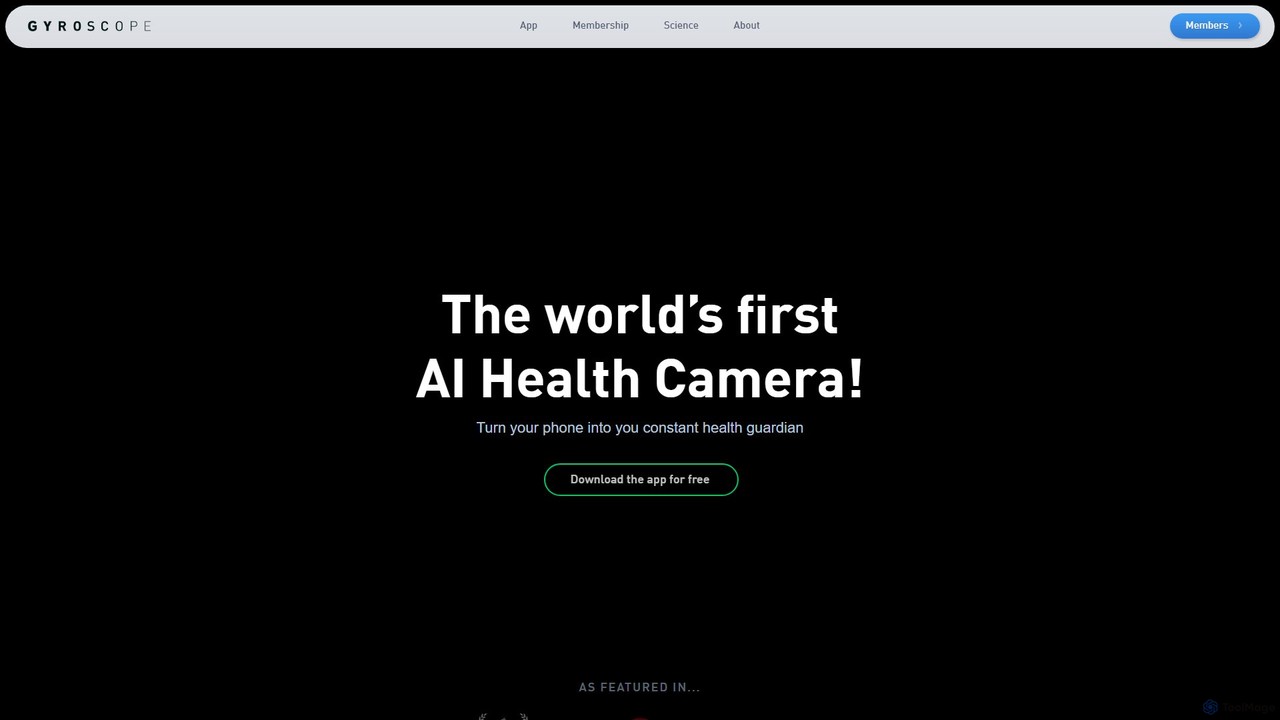
Gyroscope is an AI-powered health coach that acts as a new operating system for your body. Using its pioneering 'AI Health Camera' and 'Food XRAY' feature, you can simply photograph your meals for instant, detailed nutritional analysis. It integrates with wearables and health data to provide personalized coaching on nutrition, fitness, sleep, and stress, helping you achieve goals like fat loss, muscle gain, and improved longevity.

Nutrition Tracker
Visits 20KFavorites 114Likes 107

About Nutrition Tracker

Nutrition Tracker tools are AI-powered applications designed to monitor and analyze an individual's dietary intake. Leveraging advanced algorithms, these tools can log food consumption, calculate nutritional values, and provide personalized insights into macronutrient and micronutrient intake. They help users achieve specific health goals, manage dietary restrictions, and foster healthier eating habits within the broader Health & Fitness domain.

Core Features

  • Food Logging & Database: Offers an extensive food database to quickly record meals and beverages.
  • Nutrient Analysis: Provides detailed breakdown of calories, macronutrients (protein, carbs, fats), and micronutrients.
  • Goal Tracking: Monitors progress towards health goals such as weight management, muscle gain, or specific dietary plans.
  • Personalized Recommendations: Delivers customized dietary suggestions and recipes based on user data and objectives.
  • Dietary Restriction Management: Assists users in identifying allergens and managing specific diets (e.g., vegetarian, ketogenic).

Use Cases

Nutrition Tracker tools are invaluable for individuals focused on precise dietary management. They are widely used by those aiming for weight management, athletes optimizing their intake for peak performance and recovery, and patients needing to adhere to specific diets for chronic disease management. These tools empower users to make informed food choices and maintain consistent dietary habits.

How to Choose

When selecting a Nutrition Tracker, prioritize the accuracy and breadth of its food database, the ease and speed of food logging, and the depth of its nutrient analysis capabilities. Consider also its ability to customize goals, integrate with other fitness devices, and provide clear, actionable insights through user-friendly reports and dashboards.

Nutrition Tracker use cases

1

Weight Management & Calorie Tracking

Individuals aiming for weight loss or gain utilize Nutrition Tracker tools to meticulously log food intake, monitor calorie budgets, and understand the impact of their diet on body composition. By tracking daily consumption, users can make informed adjustments to achieve their desired weight goals effectively and sustainably.

2

Optimizing Athletic Performance

Athletes and fitness enthusiasts utilize Nutrition Tracker tools to fine-tune macronutrient ratios, ensure adequate protein intake for muscle recovery, and manage hydration for peak performance during training and competition. These tools provide critical data to optimize their diet for specific physical demands and recovery needs.

3

Managing Dietary Restrictions & Allergies

People with food allergies, intolerances, or specific dietary needs (e.g., vegan, gluten-free) rely on Nutrition Tracker tools to identify problematic ingredients, ensure nutritional completeness, and avoid adverse reactions. The detailed food databases help users navigate complex dietary requirements safely and effectively.

4

Monitoring Chronic Health Conditions

Patients with conditions like diabetes, heart disease, or kidney disease use Nutrition Tracker tools to manage blood sugar levels, monitor sodium or potassium intake, or adhere to doctor-prescribed diets. These tools provide crucial data for self-management and facilitate better communication with healthcare providers for improved health outcomes.

5

Personalized Meal Planning & Preparation

Users leverage insights from their tracked data to create balanced meal plans, discover nutrient-dense recipes, and prepare meals that align with their health goals and dietary preferences. Nutrition Tracker tools can suggest appropriate portion sizes and ingredient substitutions, simplifying the process of healthy eating.

6

Educating & Improving Eating Habits

Individuals seeking to understand their eating patterns and improve overall diet quality use Nutrition Tracker tools to gain awareness of their food choices, identify nutritional gaps, and make informed decisions for long-term health. The visual data and reports help users recognize trends and develop sustainable healthy habits.

Nutrition Tracker FAQ

What are Nutrition Tracker tools?

Nutrition Tracker tools are AI-powered applications designed to help users monitor and analyze their food and drink intake. They typically feature extensive food databases, calorie and nutrient calculation, and personalized insights to support various health and fitness goals, from weight management to dietary adherence. These tools empower individuals to make informed dietary choices.

How do Nutrition Tracker tools work?

These tools work by allowing users to log their food consumption, often through manual entry, barcode scanning, or even photo recognition. The AI then processes this data against a comprehensive nutritional database to calculate calories, macronutrients (proteins, carbs, fats), and micronutrients. Advanced trackers use algorithms to provide personalized feedback and recommendations based on user goals and historical data, offering actionable insights for dietary adjustments.

Who can benefit from using a Nutrition Tracker?

A wide range of individuals can benefit from Nutrition Tracker tools. This includes those aiming for weight loss or gain, athletes optimizing performance, people managing chronic health conditions like diabetes, individuals with dietary restrictions or allergies, and anyone looking to improve their general eating habits and nutritional awareness. Essentially, anyone seeking to understand and control their dietary intake can find value.

What features should I look for in a Nutrition Tracker?

When choosing a Nutrition Tracker, consider the size and accuracy of its food database, ease of food logging (e.g., barcode scanner, voice input), and the depth of its nutrient analysis (macros, micros, water). Key features also include goal-setting and progress tracking capabilities, integration with other fitness devices, and the ability to provide clear, actionable insights through user-friendly reports and dashboards. Customization for specific dietary needs is also highly beneficial.

How do Nutrition Trackers differ from general Health & Fitness apps?

While general Health & Fitness apps often include activity tracking, workout plans, and broader wellness features, Nutrition Trackers specifically focus on detailed dietary intake. They offer in-depth food logging, precise nutrient breakdowns, and tailored dietary insights, whereas general apps might only provide basic calorie estimates or meal suggestions as part of a wider health regimen. Nutrition Trackers provide a specialized, granular view of your diet.