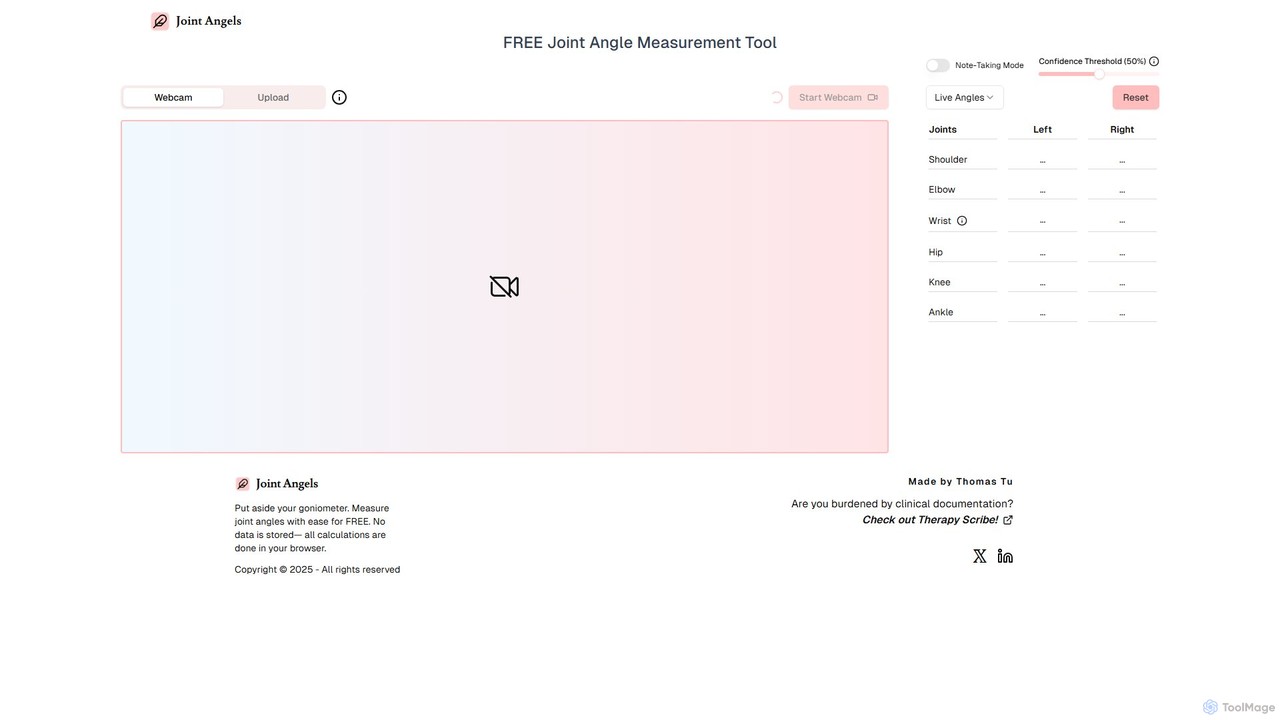
Physical Therapy AI tools are specialized applications that leverage artificial intelligence to enhance rehabilitation, movement analysis, and patient care. These tools often utilize computer vision, sensor data, and machine learning algorithms to assess movement patterns, provide real-time feedback, and personalize treatment plans. They aim to improve therapeutic outcomes, increase patient engagement, and streamline the workflow for physical therapists. By offering precise data analysis and remote monitoring capabilities, they extend the reach and effectiveness of traditional physical therapy.
Core Features
- Movement Analysis: AI-powered computer vision identifies and analyzes subtle movement patterns, posture, and gait deviations.
- Personalized Exercise Programs: Algorithms create tailored rehabilitation routines based on individual patient data, progress, and specific conditions.
- Real-time Feedback: Provides immediate audio or visual cues to patients during exercises, ensuring correct form and technique.
- Remote Monitoring: Allows therapists to track patient adherence and progress from a distance, facilitating virtual care and adjustments.
- Injury Risk Assessment: Predicts potential injury risks by analyzing biomechanical data and historical movement patterns.
Use Cases
Physical Therapy AI tools are invaluable for clinicians, patients, and athletes. They are used in clinical settings for objective assessment, at home for guided rehabilitation, and in sports for performance optimization and injury prevention. These tools help bridge the gap between clinic visits, ensuring continuous and consistent therapeutic engagement.
How to Choose
When selecting Physical Therapy AI tools, prioritize data accuracy and reliability, as clinical decisions depend on precise measurements. Evaluate the user interface for both therapists and patients to ensure ease of adoption and engagement. Consider the tool's personalization capabilities to adapt to diverse patient needs and its integration potential with existing electronic health records (EHR) systems. Finally, ensure robust data privacy and security measures are in place to protect sensitive patient information.