
Health & Fitness Best in category 1 results Workout & Training AI Tool

Popular AI tools in the Workout & Training field of Health & Fitness include GigaBody, etc., helping you quickly improve efficiency.

GigaBody

GigaBody

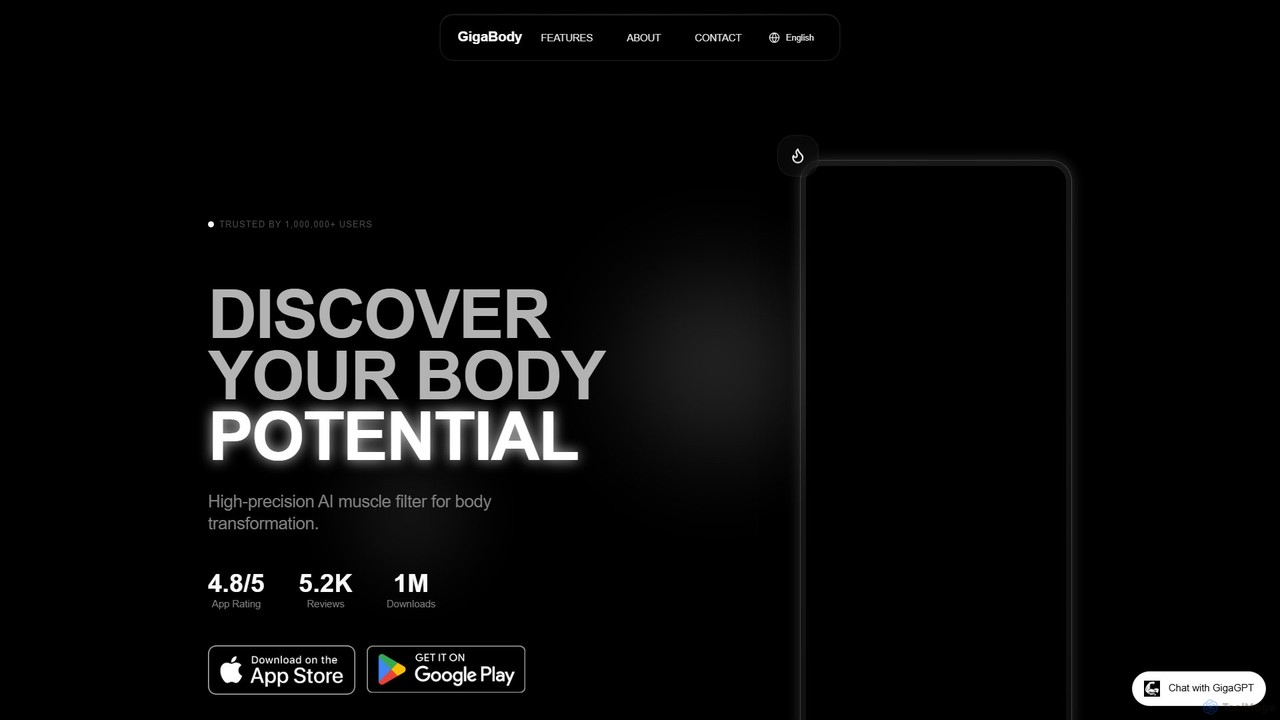
GigaBody is an AI-powered mobile app that transforms your photos with a hyper-realistic muscle filter. It provides professional-grade …

6.5K

About Workout & Training

AI Workout & Training tools are intelligent applications that use artificial intelligence to generate, guide, and personalize fitness programs. They leverage technologies like computer vision to analyze exercise form in real-time and machine learning algorithms to adapt workout plans based on user performance and feedback. This provides a dynamic and interactive training experience, making expert-level coaching accessible directly from a personal device. Unlike static fitness apps with pre-set videos, these AI tools offer tailored guidance that evolves with your fitness journey.

Core Features

  • Personalized Plan Generation: Creates custom workout routines based on individual goals, fitness levels, and available equipment.
  • Real-time Form Correction: Uses a device's camera and computer vision to analyze movements and provide immediate feedback to improve technique and prevent injury.
  • Adaptive Difficulty Adjustment: Automatically modifies the intensity, volume, or complexity of workouts based on your performance data.
  • Advanced Progress Analytics: Tracks detailed metrics like reps, sets, weight lifted, and movement quality, offering insightful performance reports.

Use Cases

These tools are ideal for home fitness enthusiasts seeking guided workouts, individuals looking for a cost-effective alternative to personal trainers, and athletes wanting to supplement their training with data-driven insights. They are also used in physical therapy for monitoring rehabilitation exercises and by beginners who need foundational guidance on proper form.

How to Choose

When selecting an AI Workout & Training tool, consider the accuracy of its form-tracking technology and the breadth of its exercise library. Evaluate the level of personalization and how well the plan adapts to your progress. Also, check for compatibility with any wearable devices you use, such as smartwatches, to ensure seamless data integration for metrics like heart rate.

Workout & TrainingUse Cases

1

Personalized At-Home Strength Training

An individual wants to build muscle at home but is unsure about proper form for key exercises like squats and deadlifts. They use an AI training app that accesses their phone's camera. The AI acts as a virtual coach, providing real-time verbal and visual cues to correct their posture, ensure proper depth, and maintain a neutral spine. This immediate feedback helps prevent injuries and maximizes muscle engagement. The app automatically counts reps and logs the workout, allowing the user to focus purely on their performance.

2

Adaptive Cardio Program for Weight Loss

A user's goal is to lose 10kg through cardiovascular exercise. An AI training app creates a progressive plan alternating between HIIT and steady-state cardio. By integrating with the user's smartwatch, the AI analyzes heart rate data during and after each session. If it detects the user is finding sessions too easy (low heart rate) or struggling (high heart rate for too long), it automatically adjusts the intensity, duration, or work-to-rest ratios for the next workout to keep them in the optimal fat-burning zone and prevent plateaus.

3

AI-Powered Running Form Analysis

A runner experiencing recurring knee pain uses an AI training app to analyze their gait. They record a short video of themselves running on a treadmill using their phone. The AI's computer vision model analyzes key biomechanical metrics like cadence, ground contact time, vertical oscillation, and foot strike pattern. It then generates a detailed report highlighting inefficiencies, such as overstriding, and provides personalized drills and strength exercises to correct these form issues, ultimately helping to reduce the risk of injury and improve running economy.

4

Guided Yoga Practice with Pose Correction

A beginner wants to learn yoga at home but is concerned about incorrect alignment. They use an AI yoga app that provides guided sessions. As they follow the instructor, the app uses the device's camera to track 20+ key points on their body. If their alignment in a pose like Warrior II is off—for example, their front knee is collapsing inward—the AI provides a gentle audio cue like, 'Shift your knee over your ankle.' This real-time, personalized instruction helps them build a safe and effective practice without the cost of a private instructor.

5

Monitoring Physical Therapy Exercises

A patient recovering from shoulder surgery is prescribed a set of rehabilitation exercises by their physical therapist. To ensure compliance and correct form at home, they use an AI-powered app. The app guides them through each movement, such as external rotations, and uses computer vision to measure their range of motion. It counts correct repetitions and stops them if their form deviates from the safe parameters set by the therapist. A progress report is automatically generated and shared with the physical therapist, allowing for remote monitoring and timely adjustments to the recovery plan.

6

Automating Corporate Fitness Challenges

An HR manager organizes a company-wide 'step challenge'. Instead of manual tracking, the company uses an AI wellness platform. Employees connect their fitness trackers (like Fitbit or Apple Watch), and the AI platform automatically pulls activity data, calculates points, and updates a live leaderboard. The AI also sends personalized motivational messages to participants based on their progress, such as 'You're only 500 steps away from your daily goal!' This automates the administrative burden for HR and increases employee engagement through gamification and personalization.

Workout & TrainingFrequently Asked Questions