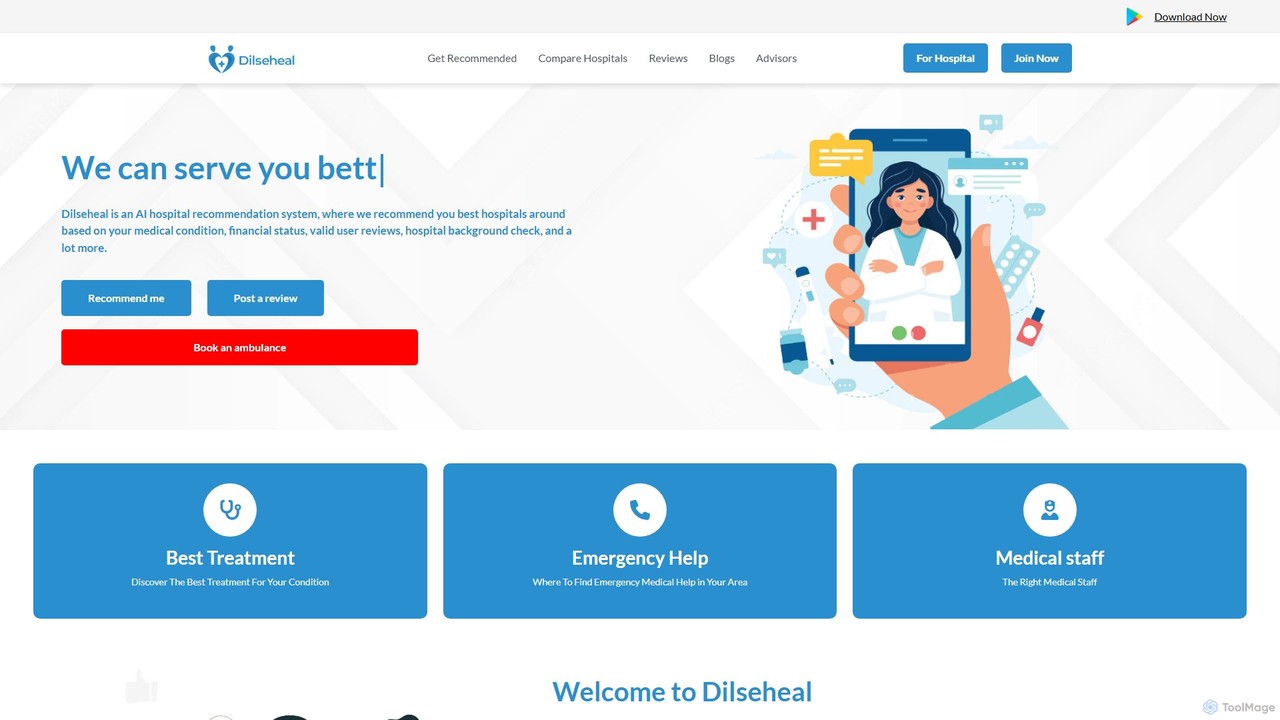
Medical Finders are AI-powered tools designed to help users locate specific healthcare providers, services, and information. They utilize large, verified databases and natural language processing to interpret user queries, such as symptoms or specialty needs, and match them with relevant doctors, clinics, or hospitals. These tools streamline the often complex process of searching for medical care, providing filtered results based on location, insurance, specialty, and patient reviews. Their primary value lies in offering a structured and data-driven approach to accessing healthcare resources.
Core Features
- Symptom-to-Specialist Matching: Analyzes described symptoms to suggest the most appropriate medical specialties.
- Geospatial Filtering: Pinpoints healthcare providers within a specific geographic area or travel distance.
- Insurance Network Search: Filters results to show only providers who accept a user's specific insurance plan.
- Provider Credential Verification: Displays information on a provider's qualifications, certifications, and patient ratings.
Use Cases
These tools are invaluable for patients seeking new primary care physicians or specialists for specific conditions. They are also used by caregivers to find suitable facilities for loved ones, and by individuals relocating to a new area to establish their healthcare network.
How to Choose
When selecting a Medical Finder, prioritize the reliability and source of its data. Evaluate the granularity of its search filters (e.g., languages spoken, specific procedures offered). Also, consider the platform's user interface for ease of use and its privacy policy regarding the handling of sensitive health information.