ToolMage
Sign in

Best 1 Medical Tourism AI tools for Health

Popular Medical Tourism AI tools in Health include airomedical, helping you work more efficiently.

airomedical
Freemium

airomedical

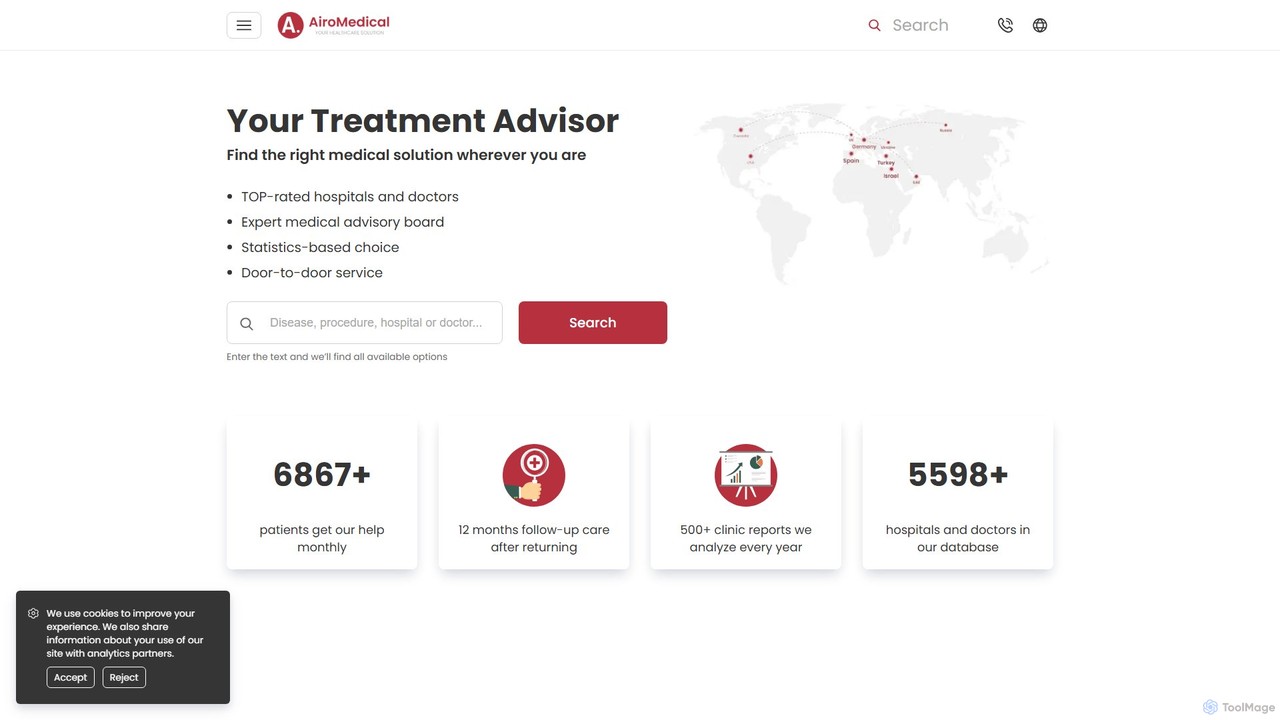
AiroMedical is an AI-powered medical tourism platform connecting patients with top-rated hospitals and doctors worldwide. It uses a statistics-based approach and an expert medical advisory board to recommend personalized treatment options. The platform offers comprehensive services, including visa support, accommodation, translation, and follow-up care, simplifying the process of receiving medical treatment abroad for complex conditions.

Medical Tourism
Visits 33.9KFavorites 132Likes 141

About Medical Tourism

Medical Tourism is a specialized segment within the broader health sector, involving individuals traveling to another country for medical care. These services often combine high-quality healthcare with travel experiences, primarily driven by factors like significant cost savings, access to highly specialized treatments, or shorter waiting times compared to their home countries. It offers patients unparalleled global access to diverse medical expertise and state-of-the-art facilities, effectively leveraging international healthcare options for personalized and often more accessible treatment plans.

Core Features

  • International Patient Coordination: Comprehensive assistance with travel logistics, accommodation arrangements, scheduling medical appointments, and providing essential language support.
  • Specialized Treatment Access: Connecting patients with clinics and hospitals renowned for offering advanced, experimental, or highly specific therapies that may be unavailable domestically.
  • Cost-Benefit Analysis: Providing transparent and detailed comparisons of treatment costs, including medical procedures, travel, and accommodation, across various international healthcare providers.
  • Quality Assurance & Accreditation: Offering crucial information on international hospital certifications (e.g., JCI) and verifying doctor qualifications to ensure adherence to high medical standards.
  • Post-Treatment Support: Facilitating seamless follow-up care, recovery services, and rehabilitation programs in the destination country or upon return.

Applicable Scenarios

Medical Tourism is widely utilized by patients seeking more affordable elective surgeries, such as cosmetic enhancements or complex dental procedures, often combining treatment with a vacation. It also serves individuals requiring specialized medical treatments that are either unavailable in their home country or involve excessively long waiting lists, including certain advanced cancer therapies or organ transplant evaluations. Furthermore, it caters to those exploring alternative or holistic wellness programs and preventative health check-ups in international settings.

How to Choose

When selecting a medical tourism provider, it is crucial to prioritize facilities with recognized international accreditations, such as JCI, and demand transparent cost breakdowns for all medical, travel, and accommodation expenses. Evaluate the availability of comprehensive support services, including dedicated patient coordinators, language assistance, and robust post-operative care plans. Additionally, thoroughly research the qualifications, experience, and patient reviews of the medical professionals and the chosen healthcare institution.

Medical Tourism use cases

1

Affordable Elective Surgery Abroad

An individual from a country with high healthcare costs, such as the United States, travels to a destination like Mexico or Thailand for elective procedures like knee replacement, hip surgery, or cosmetic enhancements. By leveraging lower labor and facility costs, they can receive high-quality medical care at a fraction of the price, often combining recovery with a relaxing vacation, saving thousands of dollars while avoiding long waiting lists.

2

Accessing Specialized Cancer Treatment

A patient diagnosed with a rare or aggressive form of cancer finds that cutting-edge treatments or clinical trials are unavailable in their home country. Through medical tourism, they travel to a leading oncology center in Germany, South Korea, or the US, which specializes in their specific condition, gaining access to advanced therapies and expert opinions that could significantly improve their prognosis and quality of life.

3

High-Quality Dental & Cosmetic Procedures

A person seeking extensive dental work, such as multiple implants or veneers, or complex cosmetic surgeries like a facelift or tummy tuck, opts for medical tourism. Destinations like Turkey, Costa Rica, or Hungary offer world-class facilities and highly skilled practitioners at significantly lower prices. This allows them to achieve desired aesthetic or functional results without compromising on quality, often enjoying a tourist experience simultaneously.

4

International Fertility Treatment Options

Couples facing fertility challenges may explore medical tourism to countries with more advanced reproductive technologies, favorable legal frameworks for surrogacy or egg donation, or lower costs for IVF treatments. Destinations like Spain, India, or Cyprus provide access to specialized clinics and experienced fertility specialists, offering hope and viable options for starting a family that might be limited or prohibitively expensive at home.

5

Wellness & Rehabilitation Retreats

Individuals recovering from chronic illness, injury, or seeking preventative health and holistic well-being often choose medical tourism for wellness retreats. They travel to destinations known for their natural healing environments, such as thermal spas in Hungary or Ayurvedic centers in India. These retreats offer comprehensive rehabilitation programs, detox therapies, stress management, and personalized health check-ups, promoting long-term recovery and vitality.

6

Organ Transplant Coordination

For patients on long waiting lists for organ transplants in their home country, medical tourism can offer a critical alternative. While navigating complex ethical and legal considerations, some individuals explore options in countries where waiting times might be shorter or specific transplant programs are more accessible. This involves meticulous coordination with international transplant centers to ensure compatibility, ethical sourcing, and comprehensive post-operative care, providing a chance at life.

Medical Tourism FAQ

What is Medical Tourism?

Medical Tourism refers to the practice of traveling to another country to receive medical treatment, often for elective surgeries, specialized procedures, or dental care. It's driven by various factors, including lower costs, access to advanced technologies or specific expertise, and shorter waiting times compared to a patient's home country. This global healthcare trend allows individuals to combine medical needs with international travel.

Why do people choose Medical Tourism?

People choose Medical Tourism primarily for cost savings, as procedures can be significantly cheaper abroad, even when factoring in travel expenses. Other key reasons include access to specialized treatments or cutting-edge technologies not available domestically, shorter waiting lists for critical procedures, and the desire for greater privacy or anonymity. Some also seek to combine their medical care with a vacation experience.

How to ensure safety and quality in Medical Tourism?

To ensure safety and quality, thoroughly research the chosen medical facility and its accreditations (e.g., JCI, ISO). Verify the qualifications and experience of the medical professionals, and seek patient reviews and testimonials. It's crucial to have clear communication regarding treatment plans, potential risks, and post-operative care. Consider using reputable medical tourism facilitators who vet providers and offer comprehensive support.

What are the common types of treatments sought in Medical Tourism?

Common treatments sought in Medical Tourism include a wide range of elective surgeries such as cosmetic procedures (e.g., facelifts, breast augmentation), dental work (e.g., implants, veneers), and orthopedic surgeries (e.g., knee and hip replacements). Additionally, patients often travel for fertility treatments (e.g., IVF), bariatric surgery, organ transplants (under strict ethical guidelines), and specialized cancer therapies.

What is the difference between Medical Tourism and general health travel?

Medical Tourism specifically involves traveling for a planned medical procedure or treatment, where the primary purpose of the trip is healthcare. General health travel, on the other hand, encompasses a broader range of activities focused on wellness, prevention, or relaxation, such as spa retreats, detox programs, or yoga holidays, where medical intervention is not the main objective. While both involve health, the intent and services differ significantly.