Health Best in category 1 results Monitoring AI Tool

Popular AI tools in the Monitoring field of Health include neodocs, etc., helping you quickly improve efficiency.

neodocs

neodocs

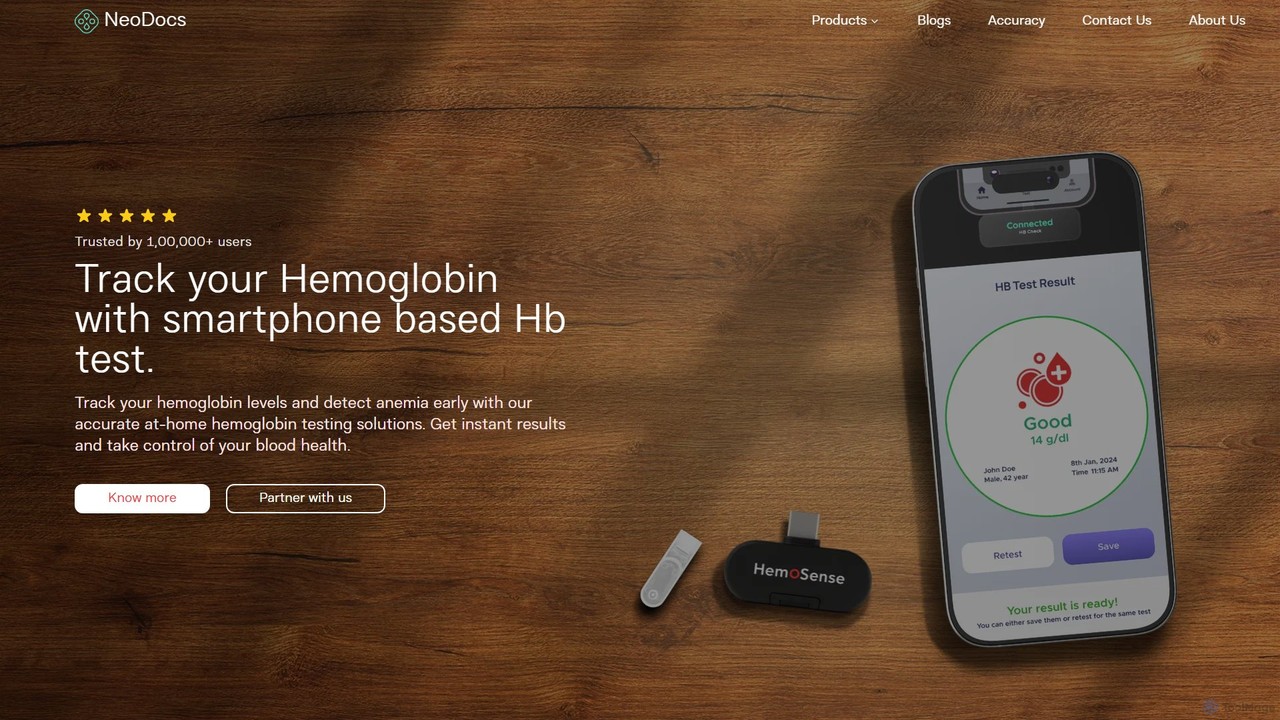
Neodocs is an AI-powered health tech platform that enables users to perform instant, lab-accurate health tests at home …

18.6K

About Monitoring

AI Monitoring tools are a specialized category of health applications that use artificial intelligence to continuously track, analyze, and interpret personal health data. Leveraging machine learning algorithms, these tools process real-time data streams from wearables, medical devices, or manual inputs to identify patterns, trends, and potential anomalies. Their primary value lies in providing proactive health insights, personalized feedback, and early warnings for potential health issues, moving beyond simple data logging to offer predictive analysis. This enables users and healthcare providers to make more informed decisions for preventative care and condition management.

Core Features

  • Continuous Data Analysis: Automatically processes ongoing streams of health data, such as heart rate, sleep patterns, and glucose levels.
  • Predictive Anomaly Detection: Identifies deviations from a user's normal baseline to flag potential health risks before they become critical.
  • Personalized Health Insights: Generates tailored recommendations and reports based on an individual's unique data and health goals.
  • Automated Alerts & Reporting: Sends timely notifications to users or caregivers about significant changes or concerning trends.
  • Symptom Correlation: Analyzes relationships between logged symptoms, lifestyle factors, and biometric data to uncover potential triggers.

Use Cases

These tools are widely used for chronic disease management (e.g., diabetes, hypertension), remote patient monitoring by healthcare professionals, and fitness optimization for athletes. They are also valuable for elderly care, tracking post-operative recovery, and monitoring mental wellness by identifying patterns in mood and behavior.

How to Choose

When selecting an AI Monitoring tool, consider its compatibility with your devices (wearables, sensors). Evaluate the accuracy and validation of its algorithms, preferably looking for clinical validation or regulatory clearance. Prioritize tools with strong data privacy policies and transparent data usage. Also, assess the customization options for alerts and the clarity of the insights provided.

MonitoringUse Cases

1

Remote Management of Chronic Diseases

For individuals managing chronic conditions like diabetes or hypertension, AI Monitoring tools provide continuous oversight. A user connects their glucose meter or blood pressure cuff to the app. The AI analyzes daily readings, identifies trends that could lead to complications, and provides personalized advice on diet or medication timing. It can automatically generate reports for their doctor, enabling more effective remote consultations and proactive adjustments to their treatment plan, reducing the need for frequent in-person visits.

2

Optimizing Athletic Performance and Recovery

Athletes and fitness enthusiasts use AI Monitoring tools to gain a competitive edge. By tracking metrics like Heart Rate Variability (HRV), sleep quality, and training load from a wearable device, the AI can assess an athlete's recovery status. It provides data-driven recommendations, such as suggesting a lighter training day to prevent overtraining or indicating peak readiness for a high-intensity workout. This helps optimize training schedules, reduce injury risk, and maximize performance gains based on the body's actual physiological state.

3

Proactive Elderly Care Monitoring

For families caring for elderly relatives, AI monitoring systems offer peace of mind. Using ambient sensors or wearables, these tools learn an individual's daily routines, such as movement patterns and sleep schedules. The AI can detect subtle changes that may indicate a developing health issue, like reduced mobility or increased nighttime activity. It can also provide immediate alerts for falls or prolonged inactivity, enabling caregivers or emergency services to respond quickly, promoting safer independent living for seniors.

4

Tracking Post-Surgical Recovery Progress

After a medical procedure, healthcare providers can use AI monitoring to track a patient's recovery remotely. Patients use an app to log pain levels, medication adherence, and complete guided physiotherapy exercises tracked by their phone's camera. The AI analyzes this data to create a recovery score, flagging slow progress or signs of complications like infection. This allows for timely intervention from the medical team and provides patients with a clear, data-backed view of their healing journey.

5

Mental Wellness and Mood Pattern Analysis

A user interested in improving their mental health logs daily moods, activities, and sleep patterns in an AI monitoring app. The AI engine processes this information to identify correlations, for example, showing that lack of sleep is consistently followed by a lower mood. It can also detect deviations from the user's normal emotional baseline, prompting them to engage in a mindfulness exercise or suggesting they connect with a friend. This provides actionable insights for self-management of mental well-being.

6

Monitoring Pregnancy and Fetal Well-being

Expectant mothers can use specialized AI monitoring tools connected to wearables or fetal dopplers. These tools track maternal vital signs like heart rate and blood pressure, alongside fetal heart rate and movement patterns. The AI establishes a baseline for both mother and baby, sending alerts if any metric deviates significantly. This provides continuous reassurance and can offer an early warning for conditions like preeclampsia or fetal distress, complementing regular prenatal check-ups with 24/7 monitoring.

MonitoringFrequently Asked Questions