Taffi
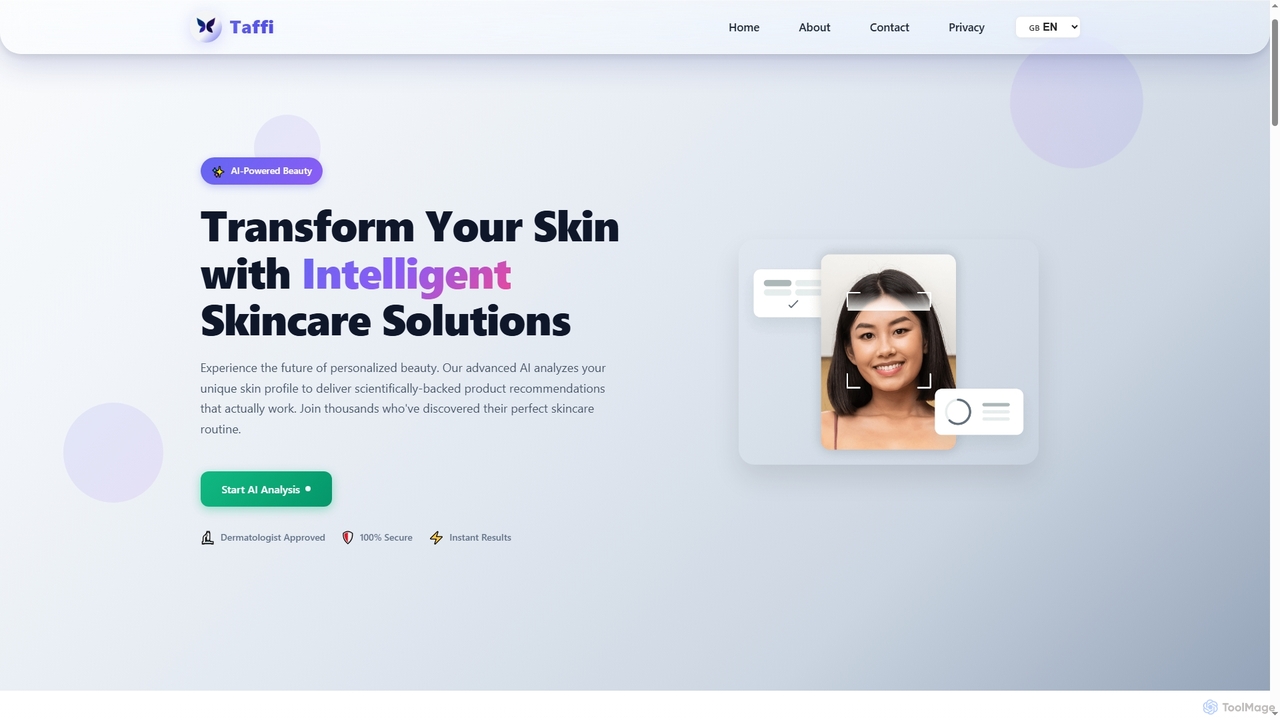
Taffi is an AI-powered platform offering intelligent skincare solutions through advanced skin analysis, personalized product recommendations, and access …
Taffi is an AI-powered platform offering intelligent skincare solutions through advanced skin analysis, personalized product recommendations, and access to an expert dermatologist network. It helps users track skin conditions, monitor treatment effectiveness, and provides 24/7 AI health consultation for a tailored beauty journey.
neodocs
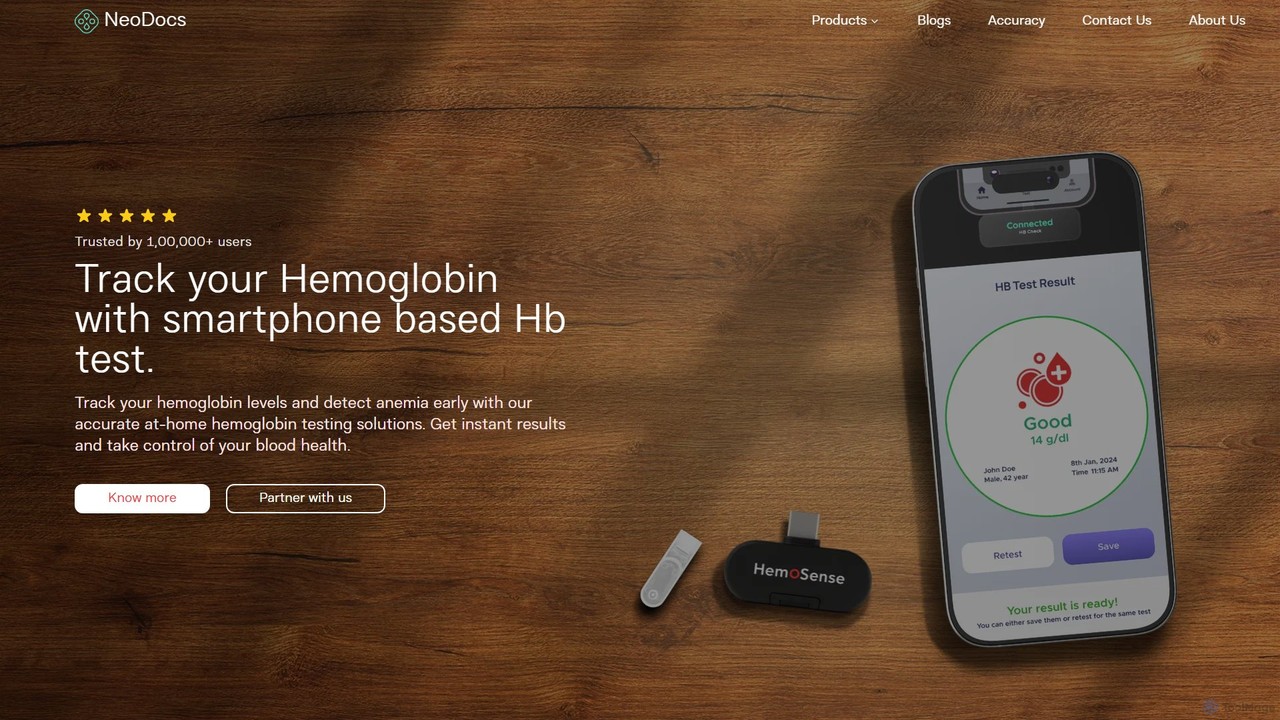
Neodocs is an AI-powered health tech platform that enables users to perform instant, lab-accurate health tests at home …
Neodocs is an AI-powered health tech platform that enables users to perform instant, lab-accurate health tests at home using their smartphone. By combining specialized test kits with a computer vision app, it provides results for kidney function, hemoglobin, fertility, and more in just 30 seconds, promoting early detection and proactive health management.
Hairscope
Hairscope is an AI-powered platform for hair clinics, providing advanced tools for hair and scalp analysis. It helps …
Hairscope is an AI-powered platform for hair clinics, providing advanced tools for hair and scalp analysis. It helps clinics deliver data-driven treatments, track patient progress with measurable metrics like hair count and thickness, and enhance patient trust through detailed visual reports.
About Diagnostics
AI Diagnostics tools are a specialized category of health AI designed to analyze medical data to identify diseases, abnormalities, or other health conditions. They leverage machine learning models, particularly deep learning and computer vision, to interpret complex inputs like medical images, lab results, and patient symptoms with high accuracy. This enables healthcare professionals to make faster, more informed decisions, leading to earlier detection and improved patient outcomes. These tools often excel at recognizing subtle patterns in data that may be missed by the human eye.
Core Features
- Medical Image Analysis: Automatically detects anomalies and quantifies findings in X-rays, CT scans, MRIs, and pathology slides.
- Symptom Interpretation: Processes patient-reported symptoms and medical history to generate a list of potential diagnoses.
- Predictive Risk Scoring: Analyzes clinical and genetic data to calculate the likelihood of developing specific diseases like cancer or heart conditions.
- Lab Result Interpretation: Identifies abnormal patterns and correlations in blood tests and other biomarker data to suggest underlying issues.
- Genomic Data Analysis: Scans genetic sequences to identify mutations associated with hereditary conditions and guide personalized medicine.
Use Cases
These tools are primarily used in clinical settings such as hospitals, radiology departments, and pathology labs. Oncologists use them for early cancer detection from scans, while cardiologists analyze ECG data for arrhythmias. They also support primary care physicians by providing differential diagnosis suggestions based on patient data, enhancing diagnostic precision across specialties.
How to Choose
When selecting an AI Diagnostics tool, verify its regulatory approval status (e.g., FDA, CE mark) for the intended clinical use. Evaluate the specific medical specialty it covers and its integration capabilities with existing Electronic Health Record (EHR) systems. It is also crucial to assess the validation data supporting its accuracy and ensure its compliance with data privacy regulations like HIPAA or GDPR.
DiagnosticsUse Cases
Early Cancer Detection in Radiology Scans
A radiologist uses an AI tool to analyze a patient's chest CT scan. The AI algorithm automatically highlights suspicious nodules that are small and easily missed, providing a confidence score for malignancy. This acts as a 'second reader,' prompting the radiologist to conduct a closer examination. This process leads to earlier biopsy and diagnosis, significantly improving the patient's prognosis by enabling treatment to begin at a more manageable stage.
Identifying Diabetic Retinopathy from Fundus Images
In a primary care clinic, an AI system analyzes retinal fundus images from diabetic patients. It automatically screens for signs of diabetic retinopathy, grading its severity from mild to severe. This allows for rapid screening of large populations without needing an ophthalmologist for every initial check. Patients with detected abnormalities are then referred to a specialist, enabling timely intervention and preventing potential vision loss.
Assisting with Differential Diagnosis in Primary Care
A general practitioner inputs a patient's symptoms, medical history, and initial lab results into an AI diagnostic assistant. The tool processes this information and generates a ranked list of potential diagnoses, along with supporting evidence from medical literature for each. This helps the physician consider a broader range of possibilities, avoid cognitive biases, and decide on the most relevant follow-up tests, leading to a more efficient and accurate diagnostic process.
Analyzing Pathology Slides for Tumor Grading
A pathologist uploads a digital image of a tissue biopsy slide to an AI platform. The tool automatically identifies cancerous cells, quantifies their proliferation rate (e.g., Ki-67 index), and assists in grading the tumor's aggressiveness. This automates a time-consuming manual process, improves consistency between different pathologists, and provides objective, quantitative data that is crucial for planning the patient's treatment strategy.
Predicting Sepsis Risk in Intensive Care Units (ICU)
An AI system continuously monitors real-time data from an ICU patient's electronic health record, including vital signs, lab results, and medications. It uses a predictive model to identify subtle patterns that precede the onset of sepsis. The system alerts the clinical team hours before a patient shows clear symptoms, enabling prompt intervention with antibiotics and fluids. This early warning significantly reduces mortality rates and shortens ICU stays.
Interpreting Complex Genetic Test Results
A genetic counselor uses an AI platform to analyze a patient's whole-genome sequencing data. The tool cross-references vast genomic databases to identify rare variants and mutations linked to hereditary diseases. It provides a concise report summarizing clinically relevant findings, their potential impact, and links to relevant research. This helps the counselor to diagnose complex genetic disorders and accurately assess a patient's risk for developing certain conditions.