ToolMage
Sign in

Best 6 Parenting AI tools for Health

Popular Parenting AI tools in Health include Cry Analyzer, Riley, YOYA AI, Mommagrapes, lizzysleep, and babysleepbot, helping you work more efficiently.

Mommagrapes
Freemium

Mommagrapes

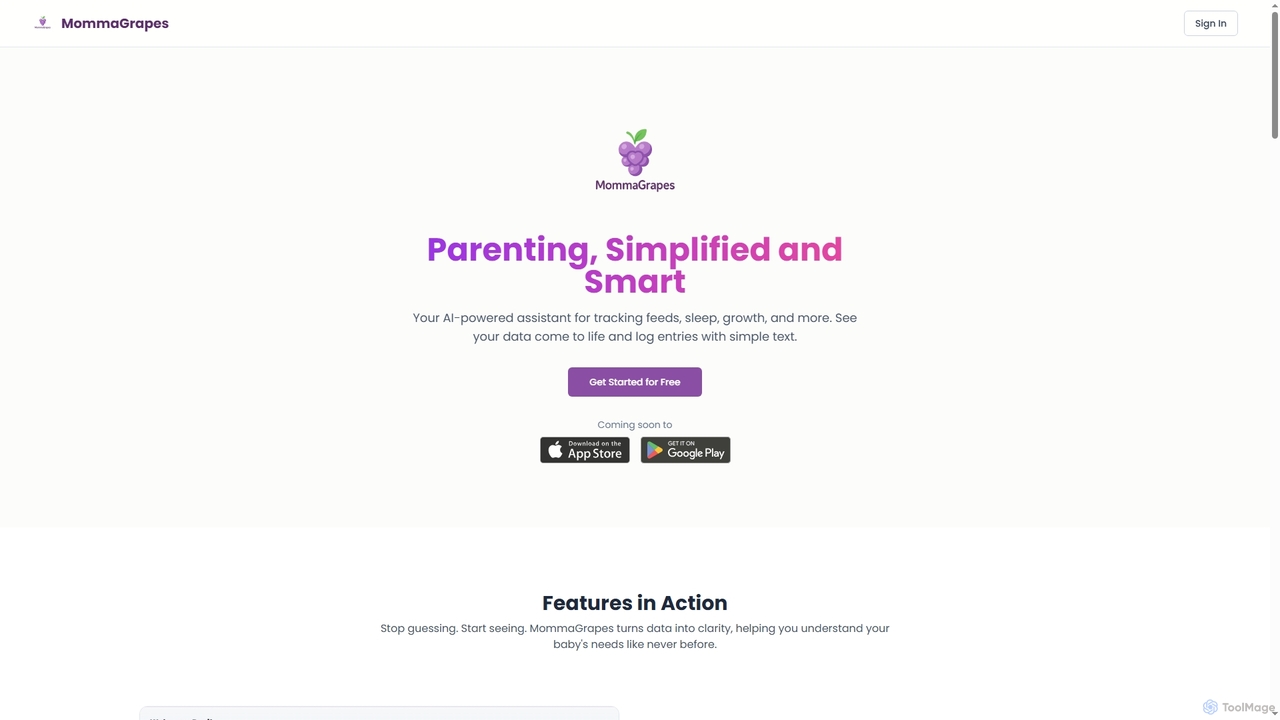
Mommagrapes is an AI-powered baby tracking app designed for modern parents. It simplifies logging feeds, sleep, growth, and pumping sessions using a conversational AI chat. The app provides data-driven insights, WHO-standard growth charts, and customizable schedules to help parents understand their baby's needs with clarity and confidence.

Parenting
Visits 4.6KFavorites 145Likes 131
YOYA AI
Freemium

YOYA AI

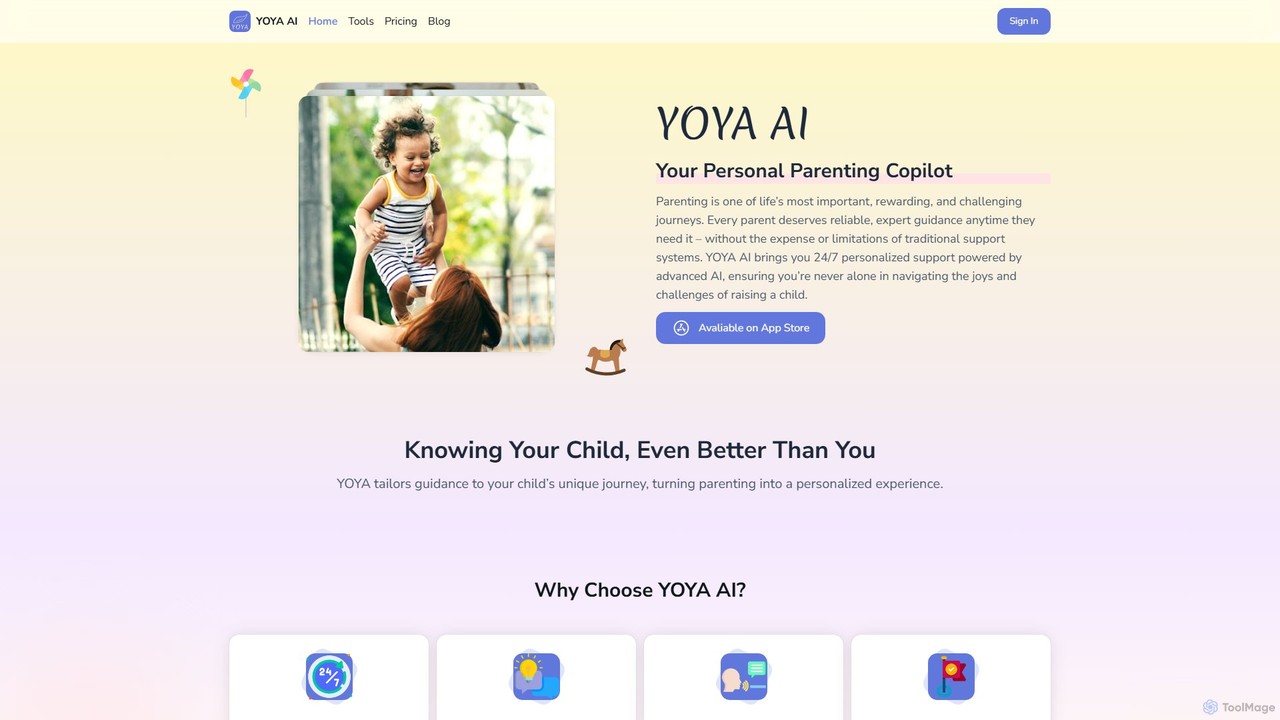
YOYA AI is your personal parenting copilot, offering 24/7 expert-backed guidance powered by advanced AI. From fertility and pregnancy to newborn care and toddler development, YOYA provides personalized advice, milestone tracking, and hands-free support via voice or text, making parenting less challenging and more rewarding.

Parenting
Visits 7.1KFavorites 106Likes 127
Riley
Freemium

Riley

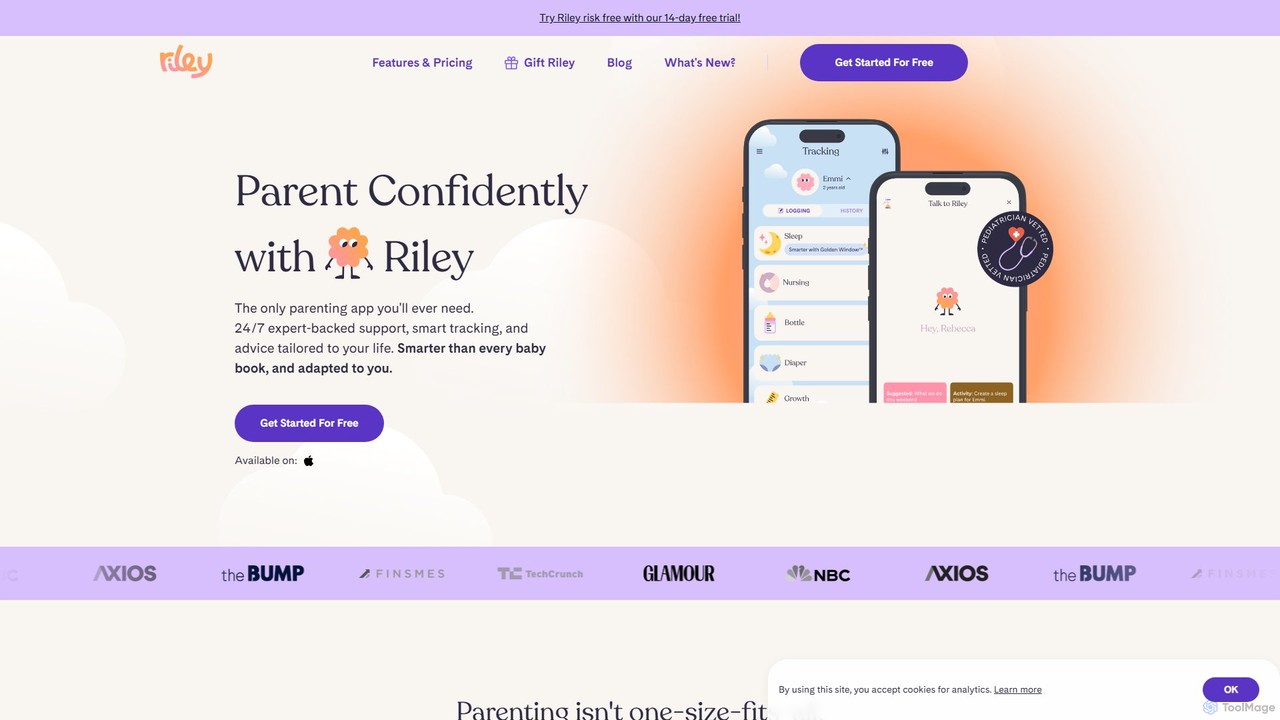
Riley is an AI-powered baby tracker and child development expert for modern parents. It offers 24/7 personalized, science-backed advice, smart tracking for sleep, feeding, and milestones, and proactive tips tailored to your child's unique needs. Collaborate with your parenting team, get instant answers, and navigate parenthood with more confidence and less guesswork.

Parenting
Visits 7.2KFavorites 108Likes 97
lizzysleep
Freemium

lizzysleep

lizzysleep is an AI-powered baby sleep coach app that provides personalized guided programs and 24/7 instant chat support. Created by a certified sleep consultant, it helps parents navigate sleep training and establish healthy sleep habits with expert-backed, tailored advice.

Parenting
Visits 4.6KFavorites 104Likes 114
babysleepbot
Paid

babysleepbot

babysleepbot is a DIY baby sleep training program powered by AI. Developed by renowned baby sleep expert Jennifer Duff, it combines expert-led audio guides with a 24/7 AI chatbot that provides instant, personalized support. The program is designed for babies aged 4 months to 3 years, helping them sleep 10+ hours overnight.

Personalized Learning
Visits 4.5KFavorites 107Likes 101
Cry Analyzer
Freemium

Cry Analyzer

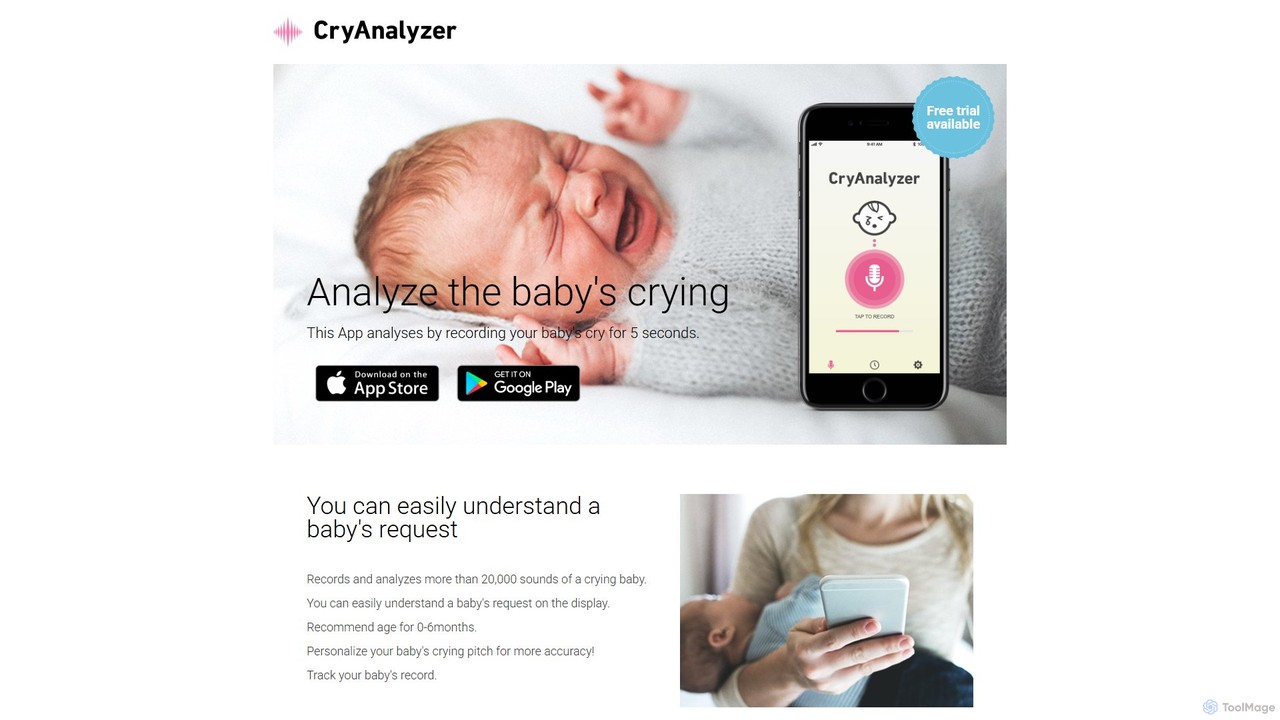
Cry Analyzer is an AI-powered mobile app that helps parents understand their baby's needs by analyzing their cries. With over 80% accuracy, it records and interprets a 5-second cry sound to identify if the baby is hungry, sleepy, in pain, or needs a diaper change. The app personalizes its algorithm over time for improved accuracy and allows parents to track their baby's patterns, reducing stress and enhancing the parent-child bond. Recommended for babies aged 0-6 months.

Parenting
Visits 7.6KFavorites 134Likes 155

About Parenting

AI Parenting tools are specialized applications designed to support parents through various stages of child-rearing. Leveraging machine learning, these tools analyze data like sleep patterns, feeding schedules, and developmental milestones to offer personalized insights and recommendations. They serve as digital assistants, helping to streamline daily routines, generate educational content, and provide evidence-based guidance on common parenting challenges. This makes them a practical resource within the broader health and wellness technology space for modern families.

Core Features

  • Milestone Tracking: Automatically log and visualize a child's growth, sleep, and feeding data to monitor development.
  • Personalized Advice: Receive AI-generated tips and guidance tailored to your child's age and specific needs.
  • Content Generation: Instantly create custom bedtime stories, learning activities, or age-appropriate meal plans.
  • Routine Optimization: Get smart suggestions for creating and adjusting daily schedules for sleep and feeding.
  • AI-Powered Q&A: Access a knowledge base for quick, AI-driven answers to common parenting questions.

Use Cases

These tools are widely used by new parents seeking to understand newborn patterns, as well as parents of toddlers and young children looking for creative educational activities. They are also valuable for busy parents who need help organizing schedules, planning nutritious meals, or finding quick, reliable answers to everyday parenting queries.

How to Choose

When selecting an AI Parenting tool, consider the specific age of your child and your primary needs (e.g., sleep tracking vs. activity planning). Evaluate the tool's data privacy policy, the scientific basis for its recommendations, and its ease of use. Also, check for features like multi-child support and integration with other smart devices if needed.

Parenting use cases

1

Analyze Newborn Sleep and Feeding Patterns

New parents often face challenges understanding their baby's unpredictable sleep and feeding cycles. Using an AI Parenting tool, they can log each sleep session, diaper change, and feeding time with simple taps. The AI then processes this data to identify patterns, predict the next likely wake-up or feeding time, and offer personalized tips to improve sleep quality. For example, it might suggest adjusting nap times or feeding amounts based on the baby's unique rhythms, helping parents move from reactive care to a more proactive and informed routine.

2

Generate Personalized Bedtime Stories

Parents wanting to foster a love for reading can use AI Parenting tools to generate unique bedtime stories. By providing simple prompts—such as the child's name, favorite animal, and a moral for the story—the AI can craft a complete, age-appropriate narrative in seconds. This allows parents to create a new adventure every night, making storytime more engaging and personal. It's particularly useful for developing a child's imagination and language skills without relying on the same few books.

3

Track Developmental Milestones

For parents concerned about their child's development, AI tools offer a structured way to track milestones. Users can input information about their child's physical, cognitive, and social achievements, such as first steps, first words, or new social interactions. The AI compares this data against standard developmental charts and provides visual progress reports. It can also highlight potential areas for attention and suggest age-appropriate activities to encourage specific skills, offering parents peace of mind and a clear overview of their child's growth journey.

4

Generate Age-Appropriate Activities

Parents and educators looking for fresh ideas can use AI tools to generate educational and fun activities. By specifying the child's age, interests (e.g., dinosaurs, space), and a learning goal (e.g., fine motor skills, color recognition), the AI can produce a list of customized activity suggestions. This could range from a simple craft project using household items to a structured learning game. This saves parents significant time on research and planning, providing an endless stream of creative ways to engage their children productively.

5

Get Quick Answers to Parenting Questions

During moments of uncertainty, such as dealing with a toddler's tantrum or questions about introducing solid foods, parents need quick, reliable information. An AI-powered Q&A feature acts as an on-demand parenting encyclopedia. Users can ask natural language questions like "How can I handle picky eating?" and receive a concise, evidence-based answer compiled from trusted sources. This provides immediate support and helps parents navigate everyday challenges with more confidence, without having to sift through countless articles online.

6

Plan Nutritious Meals for Toddlers

Meal planning for young children can be repetitive and challenging. An AI tool can assist by generating weekly meal plans tailored to a child's age, dietary restrictions, and preferences. Parents can input ingredients they have on hand, and the AI will suggest simple, nutritious recipes. Some tools can also generate a corresponding shopping list, streamlining the entire process from planning to preparation. This helps ensure a varied and balanced diet for the child while reducing the mental load on parents.

Parenting FAQ

What are AI Parenting tools?

AI Parenting tools are software applications that use artificial intelligence to assist parents with daily child-rearing tasks. They function by collecting and analyzing data related to a child's development, such as sleep, feeding, and growth milestones. Key features often include personalized advice, schedule optimization, and content generation like custom stories or activities. These tools aim to provide data-driven insights to help parents make more informed decisions.

How to choose the right AI Parenting tool?

To choose the right tool, consider these factors:

  • Child's Age and Needs: Select a tool specializing in your child's developmental stage, whether it's for newborn tracking or toddler activities.
  • Core Functionality: Determine your primary goal. Do you need a sleep tracker, a meal planner, or an activity generator?
  • Data Privacy: Carefully review the privacy policy to understand how your child's sensitive data is stored and used.
  • Credibility: Check if the tool's advice is based on input from pediatricians or child development experts.
Are AI Parenting tools a substitute for professional medical advice?

No, absolutely not. AI Parenting tools are designed for support, tracking, and general guidance within the broader health and wellness context. They can help identify patterns or provide information on common, non-urgent issues. However, they cannot diagnose medical conditions or replace the expertise of a pediatrician or healthcare professional. Always consult a doctor for any health concerns regarding your child. These tools should be seen as supplementary aids, not medical devices.

What are the main benefits of using AI for parenting?

The main benefits include:

  • Data-Driven Insights: AI can identify subtle patterns in a child's behavior (like sleep or feeding) that might be missed, helping parents make more informed decisions.
  • Personalization: Tools can offer advice, activities, and schedules tailored specifically to a child's age, developmental stage, and unique needs.
  • Time-Saving: AI automates tasks like generating meal plans, finding activities, or summarizing information, freeing up valuable time for parents.
  • Accessibility: Provides immediate access to a large base of parenting knowledge, offering quick support for common questions and challenges.
How do AI Parenting tools ensure data privacy for my child?

Reputable AI Parenting tools prioritize data privacy through several measures. They typically use end-to-end encryption to protect data during transmission and secure servers for storage. Many adhere to privacy regulations like GDPR or COPPA. It is crucial for users to read the privacy policy of any tool before use. Look for clear statements on what data is collected, how it is used, whether it is anonymized, and if it is shared with third parties. Choosing tools from established developers with transparent privacy practices is a key step in safeguarding your child's information.