ToolMage
Sign in

Best 2 Personal Health AI tools for Health

Popular Personal Health AI tools in Health include eczemaless and Xheal, helping you work more efficiently.

Xheal

Xheal

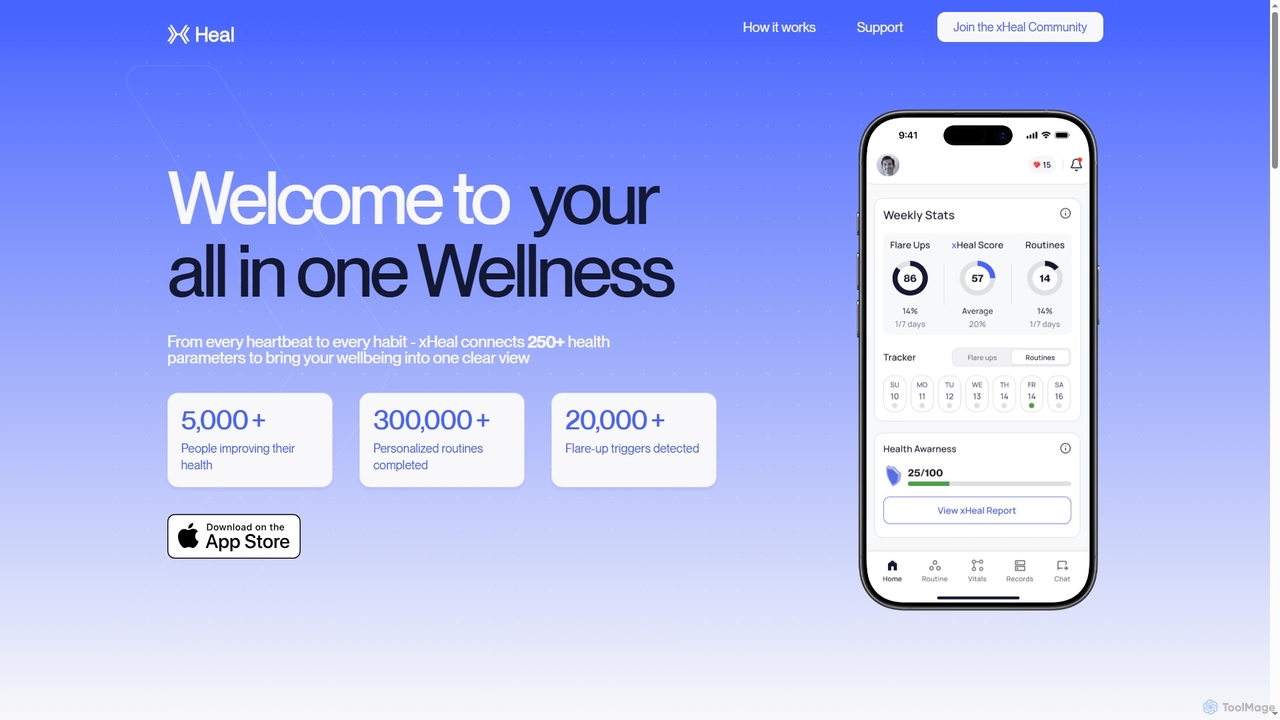
Xheal is an AI-powered mobile health platform that provides a 360° view of your well-being. It unifies over 250 health parameters, medical records, and user data into a single view. Using AI, it delivers personalized, actionable care plans including nutrition, fitness, and mental health exercises. The platform helps users track trends, identify flare-up triggers for chronic conditions, and share comprehensive health summaries with specialists to improve their health proactively.

Analytics
Visits 6.5KFavorites 113Likes 124
eczemaless
Freemium

eczemaless

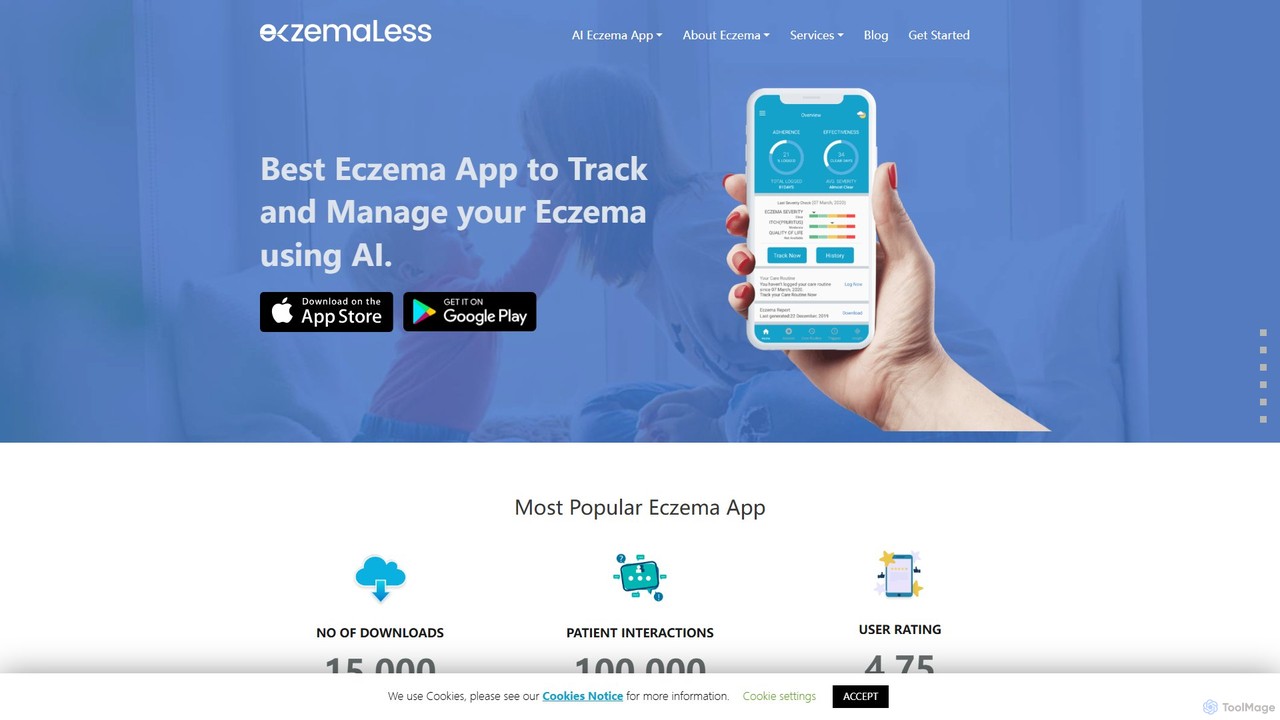
Eczemaless is an AI-powered mobile app designed for effective eczema management. It helps users track symptoms, identify triggers, score severity, and access a specialized AI search engine for reliable information, empowering them to take control of their skin health.

Personal Health
Visits 9.4KFavorites 104Likes 109

About Personal Health

AI Personal Health tools are applications that leverage artificial intelligence to provide individualized health monitoring, analysis, and guidance. These tools process data from user inputs, wearables, and health apps to identify patterns, predict risks, and offer personalized recommendations. Their primary value lies in empowering individuals to proactively manage their physical and mental well-being through data-driven insights. They serve as a digital companion for tracking progress, understanding health metrics, and building healthier habits.

Core Features

  • Symptom Analysis: Provides potential causes for symptoms based on user input, helping to guide decisions on seeking medical care.
  • Personalized Planning: Generates custom diet, fitness, and wellness plans tailored to individual goals, biometrics, and preferences.
  • Mental Health Support: Offers AI-driven conversational support, mood tracking, and guided exercises based on cognitive-behavioral therapy (CBT) principles.
  • Health Data Analytics: Integrates and analyzes data from various sources (e.g., smartwatches, glucose monitors) to reveal trends and insights.
  • Predictive Health Alerts: Uses historical data to forecast potential issues, such as sleep quality changes or fluctuations in chronic condition metrics.

Use Cases

These tools are widely used by individuals focused on preventative health, fitness enthusiasts optimizing their performance, and people managing chronic conditions like diabetes or hypertension. They are also valuable for users seeking accessible, on-demand mental wellness support or anyone wanting to better understand the connection between their lifestyle choices and overall health outcomes.

How to Choose

When selecting an AI Personal Health tool, prioritize data privacy and security policies. Verify the credibility of the health information, checking if it's backed by medical professionals or scientific research. Assess the user interface for ease of use and clarity of data presentation. Also, consider its compatibility and integration capabilities with your existing wearable devices and health apps for seamless data synchronization.

Personal Health use cases

1

Generate a Personalized Weekly Meal Plan

A user aiming to lose 10 pounds inputs their current weight, height, age, activity level, and dietary preferences (e.g., vegetarian, gluten-free) into an AI health tool. The AI analyzes this data to calculate their daily caloric needs for sustainable weight loss. It then generates a complete 7-day meal plan, including recipes for breakfast, lunch, and dinner, along with a corresponding grocery list. This saves the user hours of research and planning, ensuring their diet is nutritionally balanced and aligned with their specific health goals.

2

Receive AI-Powered Fitness Coaching

A busy professional connects their smartwatch to an AI fitness app to create a flexible workout routine. Based on real-time data like heart rate, sleep quality, and daily steps, the AI dynamically adjusts the intensity and type of workout recommended each day. If the user had a poor night's sleep, the AI might suggest a lighter activity like yoga instead of a high-intensity interval training (HIIT) session. This adaptive coaching helps prevent overtraining, optimizes performance, and keeps the user engaged by providing a workout plan that fits their current physical state.

3

Utilize a Mental Wellness Chatbot

A student feeling overwhelmed by exam stress opens a mental wellness app to interact with an AI chatbot. The user can journal their thoughts and feelings in a conversational format. The AI uses natural language processing to identify negative thought patterns and responds with techniques from cognitive-behavioral therapy (CBT), such as thought reframing exercises. It can also guide the user through a 5-minute mindfulness meditation to reduce immediate anxiety. This provides accessible, 24/7 emotional support without the need to schedule an appointment.

4

Perform a Preliminary Symptom Check

A parent notices their child has a mild fever and a rash. Unsure of the severity, they use an AI symptom checker. They answer a series of questions about the symptoms' onset, appearance, and accompanying feelings, guided by an interactive AI. The tool analyzes the inputs against a vast database of medical information and provides a list of potential conditions, from common viruses to allergic reactions. Crucially, it also provides a triage recommendation, advising whether to monitor at home, consult a pharmacist, or seek immediate medical attention. This helps users make more informed decisions about next steps.

5

Manage a Chronic Condition with Data Insights

A person with Type 2 diabetes uses an AI health app to manage their condition. They log their daily blood glucose readings, meals, and exercise activities. The AI platform analyzes this longitudinal data to identify trends, such as which specific foods cause a significant spike in their blood sugar. It can then provide predictive alerts, warning the user of a potential high-glucose event based on their planned meal. This proactive insight allows the user to make immediate adjustments, like taking a short walk after eating, to better control their glucose levels and reduce long-term health risks.

6

Analyze and Improve Sleep Quality

A user struggling with daytime fatigue syncs their fitness tracker with an AI sleep analysis tool. Overnight, the tracker records data on sleep stages (light, deep, REM), heart rate, and restlessness. In the morning, the AI presents a detailed report with a sleep score and visual charts. It identifies patterns, such as a lack of deep sleep correlated with late-night caffeine consumption logged by the user. The tool then provides actionable advice, like suggesting a 'wind-down' routine or avoiding caffeine after 2 PM, to help the user systematically improve their sleep quality over time.

Personal Health FAQ

What are AI Personal Health tools?

AI Personal Health tools are software applications that use artificial intelligence to help individuals monitor, manage, and improve their own well-being. Unlike clinical tools used by doctors, these are designed for personal use. They analyze user-provided data (like symptoms or diet logs) and data from wearables (like heart rate or sleep patterns) to offer personalized insights, create fitness or meal plans, and provide supportive resources for mental health. Their goal is to empower users with data-driven guidance for a healthier lifestyle.

Can AI Personal Health tools replace a doctor?

No, absolutely not. AI Personal Health tools are designed to be supplementary aids for wellness and are not a substitute for professional medical advice, diagnosis, or treatment. They can help you track trends, stay motivated, and learn more about your health, but they cannot diagnose diseases or prescribe treatments. Always consult a qualified healthcare provider for any medical concerns. These tools should be seen as a way to support your health journey in partnership with your doctor, not as a replacement for them.

How do I choose a trustworthy AI Personal Health tool?

Choosing a trustworthy tool involves evaluating several key factors. Follow these steps:

  • Check Data Privacy: Read the privacy policy to understand how your sensitive health data is stored, used, and protected. Look for tools that are transparent about their data practices.
  • Verify Credibility: Look for information on whether the tool's advice is based on scientific evidence or developed with input from medical professionals.
  • Read User Reviews: Check reviews from other users to gauge the app's usability, accuracy, and customer support, but be critical of overly positive or vague feedback.
  • Assess Usability: A good tool should have a clear, intuitive interface that makes it easy to input data and understand the insights provided.
What kind of data do AI Personal Health tools use?

AI Personal Health tools use a combination of data sources to provide personalized feedback. This typically includes:

  • User-Reported Data: Information you manually enter, such as symptoms, mood logs, meals, medication intake, and workout details.
  • Biometric Data from Wearables: Data automatically synced from devices like smartwatches and fitness trackers, including heart rate, sleep stages, steps taken, and blood oxygen levels.
  • Contextual Data: Some apps may use your phone's GPS for tracking runs or location-based environmental data like air quality.

The AI algorithms process this combined data to find correlations and generate insights that would be difficult for a person to spot on their own.

Who can benefit most from AI Personal Health tools?

While anyone can benefit, certain groups find these tools particularly useful:

  • Individuals with Chronic Conditions: People managing conditions like diabetes or hypertension can use these tools to track metrics, understand triggers, and adhere to management plans.
  • Fitness Enthusiasts: Athletes and active individuals can optimize their training, nutrition, and recovery by analyzing performance data.
  • People Focused on Prevention: Users who want to proactively manage their health can track habits, identify potential risks, and make informed lifestyle choices.
  • Those Seeking Mental Wellness Support: Individuals looking for accessible, on-demand tools for stress management, mindfulness, and emotional tracking find great value in AI-powered mental health apps.