ToolMage
Sign in

Best 3 Personal Training AI tools for Health

Popular Personal Training AI tools in Health include Arvo, Versafit, and Gymnoteplus, helping you work more efficiently.

Versafit

Versafit

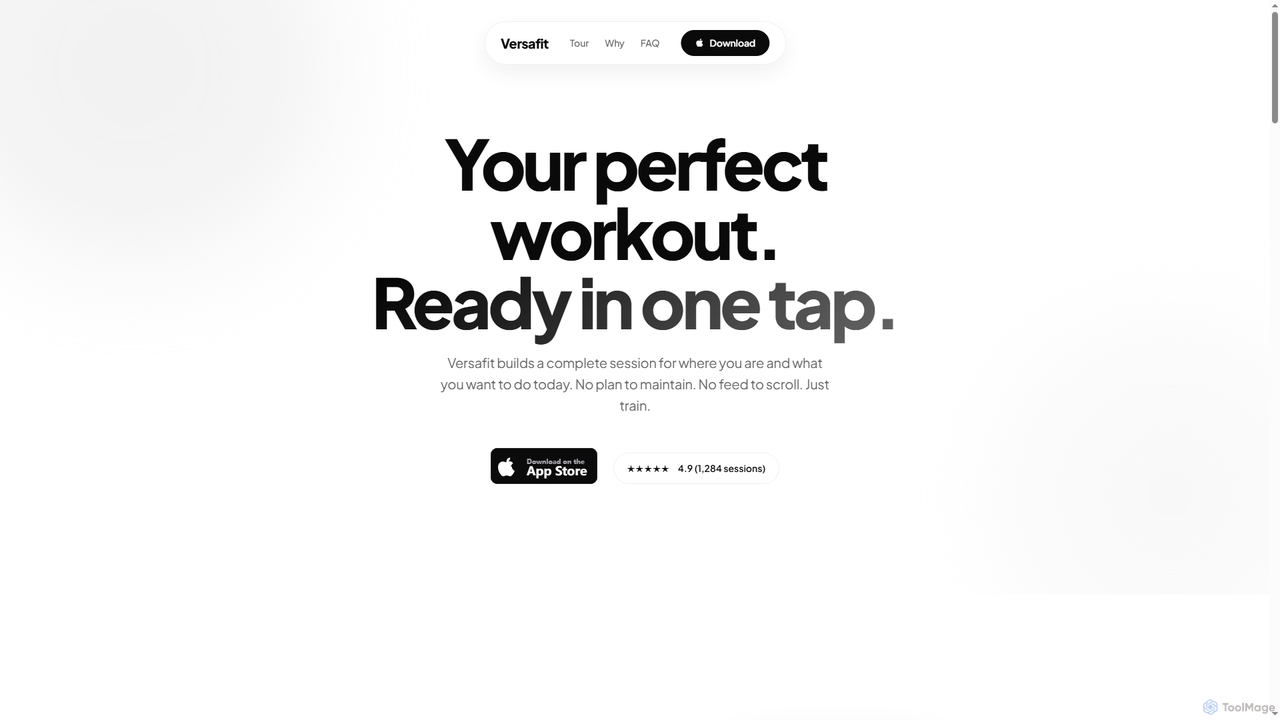
Versafit is an AI-powered fitness app that generates personalized workouts in one tap. It customizes warm-ups, main sets, and cooldowns based on your equipment, goals, focus, time, age, and experience. Enjoy distraction-free training, smart timers, and detailed progress tracking, all without needing a fixed plan.

Workout Generation
Visits 5.7KFavorites 85Likes 92
Gymnoteplus
Freemium

Gymnoteplus

Gymnoteplus is an AI-powered iOS app that transforms your raw workout notes into structured data, insightful analytics, and personalized recommendations. It helps you track progress, visualize gains, and beat your previous performance without changing your existing note-taking habits.

Workout Tracking
Visits 5.7KFavorites 107Likes 121
Arvo
Free

Arvo

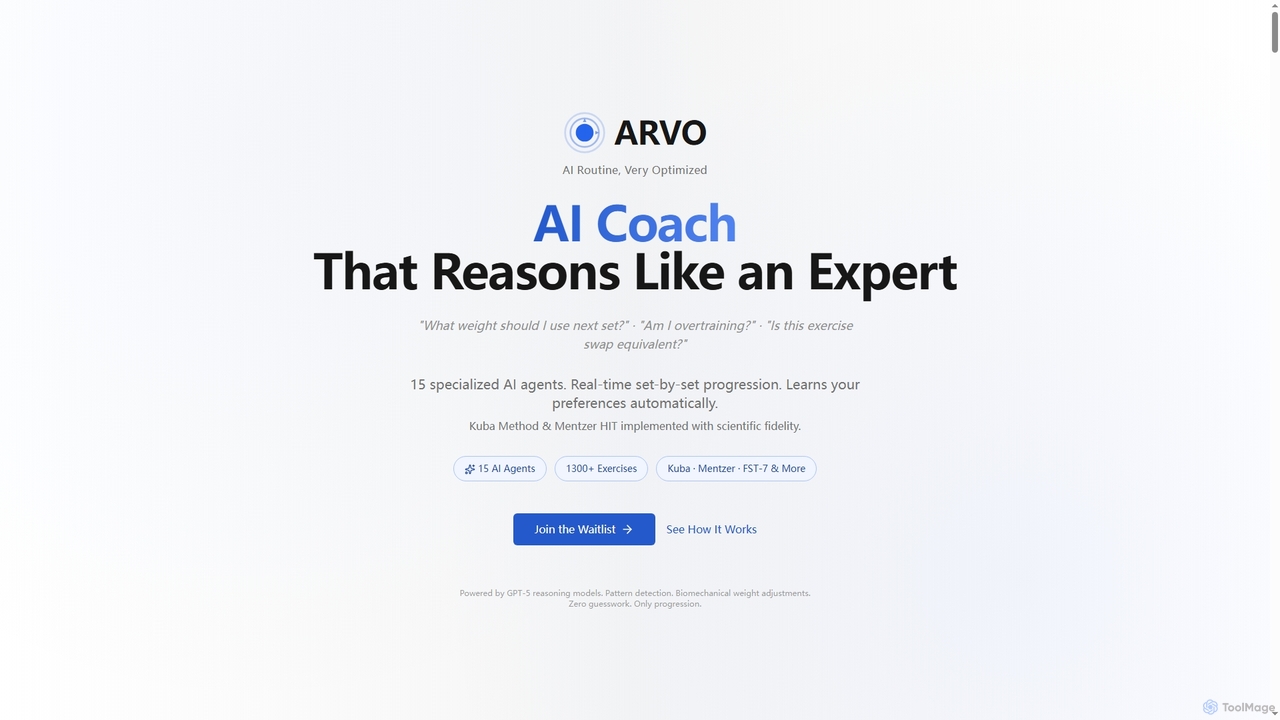
Arvo is an advanced AI-powered smart workout tracker and coach that leverages GPT-5 reasoning to provide real-time, set-by-set guidance, adaptive training plans, and biomechanical adjustments. It learns from your performance and notes to optimize progression, prevent overtraining, and ensure scientific fidelity to established training methodologies.

Workout Tracking
Visits 72.7KFavorites 132Likes 121

About Personal Training

Personal Training AI tools are a specialized category within health AI that leverage artificial intelligence to provide customized fitness and wellness guidance. These tools analyze user data, such as fitness levels, goals, dietary habits, and health conditions, to generate personalized workout plans, nutrition advice, and progress tracking. They aim to make professional-grade personal training accessible and adaptable, offering a flexible and data-driven approach to achieving individual health objectives.

Core Features

  • Personalized Workout Generation: Creates dynamic exercise routines tailored to individual fitness levels, goals, and available equipment.
  • Real-time Form Correction: Utilizes computer vision or sensor data to provide immediate feedback on exercise technique, preventing injuries.
  • Nutrition Planning & Tracking: Offers customized meal plans, calorie tracking, and dietary recommendations based on user preferences and goals.
  • Progress Monitoring & Adaptation: Tracks performance metrics, analyzes trends, and automatically adjusts training plans for continuous improvement.
  • Behavioral Coaching & Motivation: Provides reminders, motivational messages, and habit-building strategies to encourage consistency.

Use Cases

Individuals seeking structured fitness guidance without the cost or scheduling constraints of a human trainer can utilize these AI tools. They are ideal for home workouts, gym sessions, or outdoor activities, providing continuous support and adaptation. Users with specific health goals, such as weight loss, muscle gain, or marathon training, benefit from the data-driven, personalized approach.

How to Choose

When selecting an AI personal training tool, consider its customization depth for workouts and nutrition, the accuracy of its form correction technology, and its integration with wearable devices. Evaluate the range of exercises and dietary options, the clarity of its progress reports, and the overall user interface for ease of use. Also, check for features like community support or expert-verified content.

Personal Training use cases

1

Crafting Adaptive Home Workout Plans

For individuals with busy schedules or limited access to gyms, AI personal training tools can generate dynamic home workout routines. Users input their available equipment (or lack thereof), time constraints, and fitness goals. The AI then creates a varied plan, often with video demonstrations, and adapts it based on performance and feedback, ensuring continuous challenge and engagement without needing a physical trainer.

2

Optimizing Nutrition for Specific Fitness Goals

Athletes or individuals aiming for specific body composition changes (e.g., muscle gain, fat loss) can leverage AI tools for precise nutrition planning. By inputting dietary preferences, allergies, and activity levels, the AI generates daily meal plans, tracks macronutrient intake, and suggests recipes. It continuously adjusts recommendations based on progress and energy expenditure, ensuring optimal fueling for performance and recovery.

3

Real-time Exercise Form Correction at Home

Beginners or those working out independently often struggle with correct exercise form, leading to inefficiency or injury. AI personal training apps with computer vision capabilities can monitor a user's movements during exercises like squats or push-ups. They provide instant audio or visual feedback on posture, depth, and speed, effectively mimicking a trainer's watchful eye and helping users build safe and effective habits.

4

Personalized Marathon or Event Training Schedules

Runners or athletes preparing for specific events like marathons or triathlons can use AI personal trainers to build highly structured and progressive training schedules. The AI considers the user's current fitness, target race date, and past performance data to create a phased plan, including rest days, cross-training, and intensity adjustments. It adapts the schedule in response to user fatigue, injury risk, or missed sessions.

5

Managing Chronic Health Conditions with Tailored Exercise

Individuals with certain chronic health conditions (e.g., mild diabetes, hypertension, joint issues) can benefit from AI tools that offer exercise plans tailored to their specific needs and limitations. After consulting with a doctor, users can input their conditions, and the AI will suggest low-impact exercises, modify intensity, and provide safe alternatives, ensuring physical activity supports their health without exacerbating issues.

6

Enhancing Employee Wellness Programs

Companies looking to boost employee well-being can integrate AI personal training platforms into their wellness initiatives. Employees gain access to personalized fitness and nutrition plans, stress management techniques, and progress tracking. This promotes a healthier workforce, potentially reducing healthcare costs and improving productivity, all while offering a flexible and private wellness solution.

Personal Training FAQ

What are Personal Training AI tools?

Personal Training AI tools are software applications or platforms that use artificial intelligence to deliver personalized fitness, nutrition, and wellness coaching. They analyze individual data like goals, activity levels, and health metrics to create dynamic workout plans, offer dietary advice, and track progress. These tools aim to replicate the personalized guidance of a human trainer, making expert fitness support more accessible and flexible.

How do AI personal training tools differ from traditional human trainers?

AI personal training tools differ from human trainers primarily in their delivery and data processing. AI tools offer 24/7 accessibility, often at a lower cost, and can process vast amounts of data to adapt plans instantly. They excel at objective data analysis and consistency. Human trainers, however, provide emotional support, nuanced motivation, and can adapt to complex, non-quantifiable human factors and injuries with empathy and real-time observation that AI currently cannot fully replicate.

What features should I look for in an AI personal training app?

When choosing an AI personal training app, prioritize features like comprehensive workout customization based on your goals and equipment, accurate real-time form correction (if available), and robust nutrition planning capabilities. Look for detailed progress tracking, integration with wearables, and a user-friendly interface. Additionally, consider if it offers behavioral coaching, a variety of exercise libraries, and options for expert-verified content or community support.

Can AI personal training tools help with specific health conditions?

Yes, AI personal training tools can be beneficial for individuals with certain health conditions, but always with caution and prior medical consultation. Many tools allow users to input health limitations, enabling the AI to suggest modified exercises or lower-impact routines. For example, they can help manage mild diabetes through tailored activity or provide joint-friendly workouts. However, they should complement, not replace, professional medical advice and supervision.

Who can benefit most from using AI personal training?

AI personal training is particularly beneficial for individuals who are self-motivated but need structured guidance, those with budget constraints for human trainers, or people with unpredictable schedules. Beginners can benefit from form correction, while experienced athletes can use it for data-driven optimization. It's also ideal for home exercisers, travelers, or anyone seeking a flexible, personalized, and data-backed approach to their fitness and wellness journey.