ToolMage
Sign in

Best 3 Personalized Nutrition AI tools for Health

Popular Personalized Nutrition AI tools in Health include Casa de Sante, Livewello, and oakveda, helping you work more efficiently.

Livewello
Paid

Livewello

Livewello is an advanced AI-powered platform for personalized genetic data analysis. By uploading your raw DNA data or using their test kit, you can unlock actionable health reports on various conditions and traits. The platform features GeneChat, a conversational AI to explore your genetics, and offers specialized tools for health professionals to provide data-driven nutrigenomic counseling and personalized wellness plans.

Genetics
Visits 10.2KFavorites 134Likes 136
Casa de Sante
Freemium

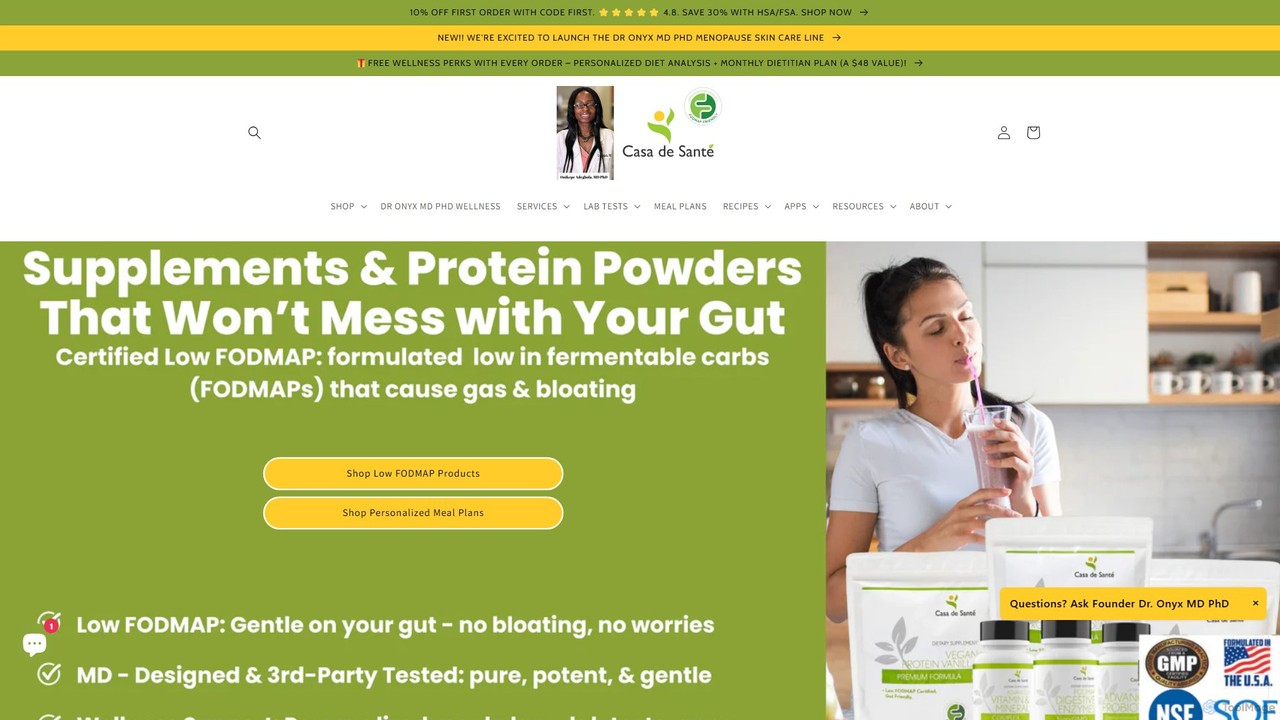
Casa de Sante

Casa de Sante is a physician-led wellness platform offering science-backed solutions for gut health. It provides low FODMAP certified products, personalized meal plans, at-home lab tests, and expert consultations to help manage conditions like IBS, SIBO, and bloating, promoting lasting digestive relief and overall well-being.

Health & Wellness
Visits 58.2KFavorites 145Likes 149
oakveda
Freemium

oakveda

Oakveda is an AI-powered wellness platform that blends ancient Ayurvedic wisdom with modern science. It offers personalized health plans, including diet, lifestyle, and mindfulness routines, based on an AI analysis of your unique mind-body constitution (dosha). Achieve holistic balance and well-being with data-driven, customized guidance.

3D
Visits 5.9KFavorites 136Likes 125

About Personalized Nutrition

Personalized Nutrition AI tools are a specialized category within health technology that leverage artificial intelligence to analyze individual biological data, lifestyle, and dietary preferences. These tools utilize advanced algorithms to generate highly customized dietary recommendations, meal plans, and supplement suggestions tailored to each user's unique needs. Their primary value lies in optimizing health outcomes, managing specific conditions, and enhancing overall well-being through data-driven nutritional guidance.

Core Features

  • DNA & Biomarker Analysis: Interprets genetic predispositions, blood tests, and microbiome data for specific nutritional requirements.
  • Dietary Preference & Lifestyle Integration: Incorporates user-defined dietary restrictions, activity levels, and health goals into recommendations.
  • Dynamic Meal Planning: Generates adaptive meal plans and recipes that adjust based on real-time progress and feedback.
  • Supplement Recommendation: Suggests personalized vitamins, minerals, and other dietary supplements based on individual deficiencies.
  • Progress Tracking & Feedback: Monitors dietary intake, physical activity, and health markers, providing insights and adjustments.

Use Cases

These tools are invaluable for individuals seeking to optimize their diet for specific health goals, such as weight management, athletic performance, or managing chronic conditions like diabetes or hypertension. They also serve health coaches and dietitians who wish to provide more precise, data-backed guidance to their clients, moving beyond generic advice to truly individualized plans.

How to Choose

When selecting a Personalized Nutrition AI tool, consider the breadth of data sources it integrates (e.g., DNA, wearables, blood tests), the scientific rigor behind its algorithms, and the level of customization it offers. Evaluate its user interface for ease of use, the quality of its dietary recommendations, and whether it provides ongoing support and progress tracking. Also, assess its privacy policy regarding sensitive health data.

Personalized Nutrition use cases

1

Optimizing Athletic Performance

Athletes and fitness enthusiasts can use Personalized Nutrition AI tools to fine-tune their diet for peak performance and faster recovery. By analyzing genetic data, training load, and energy expenditure, the tool provides precise macronutrient ratios, hydration strategies, and supplement recommendations tailored to their sport and individual physiology, helping them achieve specific performance goals and prevent deficiencies.

2

Managing Chronic Health Conditions

Individuals with conditions like type 2 diabetes, hypertension, or autoimmune disorders can leverage these tools to create diets that support their health management. The AI analyzes medical history, current medications, and specific dietary needs to suggest anti-inflammatory foods, blood sugar-stabilizing meals, or allergen-free plans, working in conjunction with healthcare professionals to improve outcomes.

3

Personalized Weight Management

For those struggling with weight loss or gain, Personalized Nutrition AI offers a data-driven approach beyond generic calorie counting. It considers metabolic rate, genetic factors, and lifestyle habits to generate sustainable, enjoyable meal plans that promote healthy weight changes, focusing on satiety, nutrient density, and long-term adherence rather than restrictive diets.

4

Enhancing General Well-being & Longevity

Health-conscious individuals can utilize these tools to proactively optimize their diet for long-term health, energy levels, and disease prevention. The AI assesses current dietary patterns, potential nutrient gaps, and genetic predispositions to recommend foods rich in antioxidants, anti-inflammatory compounds, and essential micronutrients, fostering a diet that supports vitality and healthy aging.

5

Supporting Dietary Restrictions & Allergies

People with complex dietary restrictions, food allergies, or intolerances (e.g., celiac disease, lactose intolerance) find these tools invaluable. The AI can filter out specific ingredients, suggest suitable alternatives, and generate comprehensive meal plans that are safe, nutritious, and varied, significantly simplifying meal preparation and ensuring nutritional adequacy without risk.

6

Guidance for Health Coaches & Dietitians

Professional health coaches and registered dietitians can integrate Personalized Nutrition AI tools into their practice to offer more precise and efficient client support. The AI provides data-backed insights into client needs, automates meal plan generation, and tracks progress, allowing practitioners to focus more on coaching and behavioral change while delivering highly individualized nutritional programs.

Personalized Nutrition FAQ

What are Personalized Nutrition AI tools?

Personalized Nutrition AI tools are advanced software applications that use artificial intelligence to analyze an individual's unique biological data (like DNA, microbiome, blood tests), lifestyle, and health goals. They then generate highly customized dietary recommendations, meal plans, and supplement suggestions, moving beyond one-size-fits-all advice to optimize individual health and well-being.

How do Personalized Nutrition AI tools differ from general diet apps?

Unlike general diet apps that often provide generic calorie tracking or pre-set meal plans, Personalized Nutrition AI tools delve much deeper. They integrate complex data points such as genetic markers, blood work, and activity levels to create truly bespoke nutritional strategies. This allows for recommendations that are scientifically tailored to an individual's unique metabolism, sensitivities, and health predispositions, offering a far more precise and effective approach.

What kind of data do Personalized Nutrition AI tools use?

These tools typically utilize a wide range of data inputs to create personalized recommendations. This can include genetic information (DNA), microbiome analysis, blood test results (e.g., nutrient levels, cholesterol), wearable device data (activity, sleep), self-reported dietary preferences, health goals, medical history, and lifestyle factors. The more data provided, the more precise the personalization.

Are Personalized Nutrition AI recommendations scientifically backed?

Reputable Personalized Nutrition AI tools strive to base their recommendations on robust scientific research, often integrating findings from genomics, metabolomics, and nutritional science. They use algorithms developed by nutritionists, dietitians, and data scientists. However, it's crucial to choose tools that are transparent about their data sources and methodologies, and to consult with a healthcare professional for any significant dietary changes, especially for medical conditions.

Who can benefit most from using Personalized Nutrition AI tools?

A wide range of individuals can benefit, including those looking for optimized weight management, athletes aiming for peak performance, people managing chronic health conditions (like diabetes or heart disease) with dietary support, or anyone seeking to improve general health and longevity. They are particularly useful for individuals with specific dietary needs, allergies, or those who haven't found success with generic diet plans.