ToolMage
Sign in

Best 1 Personalized Training AI tools for Health

Popular Personalized Training AI tools in Health include CorreAI, helping you work more efficiently.

CorreAI

CorreAI

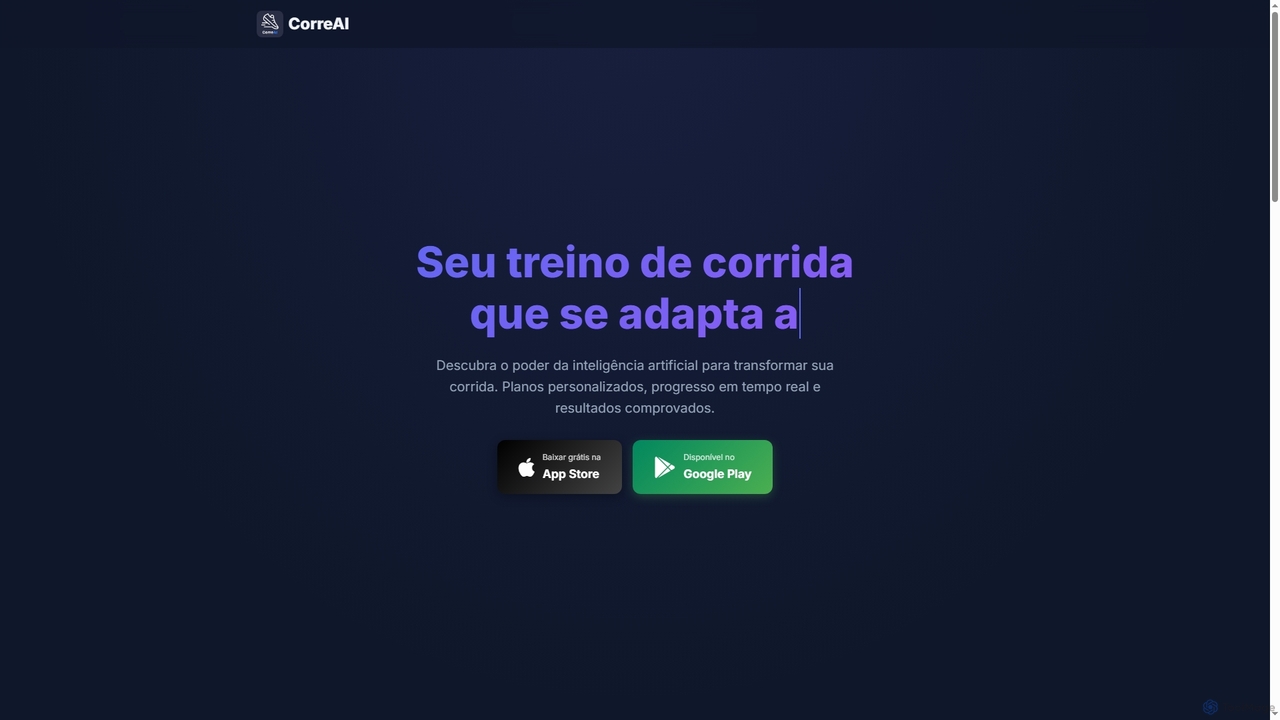
CorreAI is an AI-powered platform that creates personalized running training plans tailored to your profile, experience, and personal goals. It helps you track progress, prevent injuries, and achieve specific running distances like 5K, 10K, half marathon, or full marathon, with adaptive plans that evolve with you.

Running
Visits 5.7KFavorites 127Likes 133

About Personalized Training

Personalized Training tools are AI-driven platforms that create and adapt fitness, nutrition, and wellness plans based on individual user data. These tools analyze inputs like fitness levels, goals, biometrics, and performance feedback to generate dynamic routines that evolve with you. Unlike static workout libraries, they offer a truly tailored experience, adjusting intensity, volume, and exercise selection to optimize progress and prevent plateaus. This data-centric approach ensures that every workout and meal plan is specifically designed to help you reach your health objectives efficiently and safely.

Core Features

  • Adaptive Plan Generation: Creates customized workout and nutrition schedules that automatically adjust based on your performance and feedback.
  • Real-time Form Analysis: Uses computer vision via your device's camera to provide instant feedback on exercise form, reducing injury risk.
  • Biometric Data Integration: Syncs with wearables (like smartwatches and heart rate monitors) to incorporate real-time physiological data into training adjustments.
  • Performance Analytics: Tracks progress over time, visualizes trends, and offers insights into your strengths and areas for improvement.
  • Personalized Nutritional Guidance: Recommends meals and macronutrient targets that align with your training goals and dietary preferences.

Use Cases

These tools are ideal for individuals seeking structured, data-driven guidance without a human coach. Athletes use them to fine-tune performance for specific events, while beginners get a safe and effective introduction to fitness. They are also valuable for anyone with specific goals like weight management, muscle gain, or rehabilitation, providing a clear, progressive path to follow.

How to Choose

When selecting a Personalized Training tool, consider its specialization—does it focus on running, strength training, yoga, or general wellness? Evaluate its data integration capabilities with your existing wearables and health apps. Assess the quality and method of its feedback mechanism (e.g., audio cues, visual overlays). Finally, consider the subscription model and whether it aligns with your long-term commitment to your health goals.

Personalized Training use cases

1

Create a Dynamic Marathon Training Plan

An amateur runner preparing for their first marathon inputs their goal finish time, current weekly mileage, and connects their GPS watch. The AI generates a 16-week training schedule with specific daily workouts, including long runs, tempo runs, and recovery days. After each run, the app analyzes pace, heart rate, and perceived effort. If the runner consistently exceeds targets, the AI might increase the intensity of the next week's workouts. Conversely, if it detects signs of overtraining, it will suggest an extra rest day, ensuring an optimized and injury-free preparation.

2

AI-Powered Strength Training Form Correction

A user working out at home wants to perfect their squat form. They set up their phone's camera and start the exercise. The AI tool uses computer vision to track 18 key points on their body in real-time. As they perform the squat, it provides immediate audio feedback like, "Keep your chest up" or "Go a little deeper." After the set, it provides a summary score and highlights areas for improvement, such as knee alignment or depth, helping the user build strength safely and effectively without a personal trainer present.

3

Personalized Nutrition Plan for Weight Management

A user aiming for weight loss inputs their age, weight, height, activity level, and dietary preferences (e.g., vegetarian, gluten-free). The AI tool calculates their daily caloric needs and macronutrient split. It then generates a weekly meal plan complete with recipes that fit these targets. The plan integrates with their fitness tracker; on days with intense workouts, it automatically suggests a post-workout snack with higher protein. As the user logs their weight, the AI adjusts the caloric targets to avoid plateaus and ensure steady progress towards their goal.

4

Adaptive Yoga and Flexibility Routines

A user new to yoga wants to improve their flexibility. The AI app starts with a baseline assessment to gauge their current range of motion. Based on this, it creates a gentle 20-minute introductory routine. After each session, the user provides feedback on the difficulty of each pose. The AI learns which poses are challenging and which are easy. The following session is then subtly modified—perhaps holding an easy pose for longer or introducing a slightly more advanced variation of a mastered pose, ensuring a path of gradual and safe improvement.

5

Manage Corporate Wellness Challenges

An HR manager launches a company-wide 'steps challenge'. Instead of a single goal for everyone, the AI platform sets personalized daily step goals for each employee based on their historical activity data from their phone or wearable. This makes the challenge fair and engaging for both highly active and sedentary employees. The platform tracks a leaderboard based on percentage of personal goal achieved, not just total steps, fostering a more inclusive and motivating environment. The AI can also send personalized encouragement and tips to users who are falling behind.

6

Guided Rehabilitation and Physical Therapy

A patient recovering from knee surgery uses an AI app prescribed by their physical therapist. The app provides a daily set of exercises with clear video demonstrations. Using the phone's camera, the AI monitors the patient's range of motion during exercises like leg extensions, ensuring they don't push beyond safe limits. It counts reps, measures hold times, and logs the session data. This data is automatically shared with the therapist, who can remotely monitor progress and adjust the rehabilitation plan in the app without requiring frequent in-person visits.

Personalized Training FAQ

What are AI Personalized Training tools?

AI Personalized Training tools are digital platforms that use artificial intelligence to create dynamic, individualized fitness and wellness plans. Unlike traditional fitness apps with static workout libraries, these tools collect and analyze your personal data—such as goals, performance, biometrics from wearables, and even exercise form via camera—to continuously adapt your training program. The core value is their ability to evolve with you, making adjustments to optimize results, prevent injury, and keep you engaged on your health journey.

How do AI personal trainers work?

AI personal trainers operate on a data-driven feedback loop. Here's a simplified breakdown:

  • Data Collection: They gather information you provide (goals, experience level, preferences) and data from connected devices (heart rate, steps, sleep from a smartwatch) or your phone's camera (for form analysis).
  • Plan Generation: Machine learning algorithms analyze this data to create an initial, optimized training and/or nutrition plan tailored to you.
  • Performance Tracking: As you complete workouts, the AI logs your performance—reps, weight, speed, heart rate response, and your subjective feedback.
  • Adaptive Adjustment: The AI compares your performance against the plan's expectations. Based on this analysis, it modifies future workouts to make them easier or harder, ensuring you are always appropriately challenged.
What's the difference between a Personalized Training app and a standard fitness app?

The key difference is dynamism versus static content. A standard fitness app typically offers a fixed library of workouts or pre-made plans. You choose what to do, and the plan doesn't change unless you manually select a different one. A Personalized Training app acts more like a human coach. It creates a unique plan for you and, more importantly, automatically adjusts that plan week by week, or even day by day, based on your actual performance and feedback. It's the difference between a book of recipes (standard app) and a chef who adjusts the meal based on your tastes and what's fresh that day (personalized app).

Who can benefit from Personalized Training tools?

A wide range of individuals can benefit from these tools, as they cater to various needs and goals:

  • Beginners: They provide structured guidance and form correction, creating a safe and effective entry point into fitness.
  • Experienced Athletes: They help break through performance plateaus by using data to identify weaknesses and optimize training variables.
  • Busy Professionals: They offer the flexibility of a personal trainer on your own schedule, making it easier to stay consistent.
  • Individuals with Specific Goals: Whether it's weight loss, muscle gain, or training for an event, these tools create a focused, progressive plan to reach a target.
  • People in Rehabilitation: Under professional supervision, these tools can help track adherence and progress for physical therapy exercises.
How do I choose the right AI Personalized Training tool?

Choosing the right tool depends on your specific needs. Consider these factors:

  • Primary Goal: Are you focused on running, strength training, yoga, nutrition, or general health? Choose a tool that specializes in your area of interest.
  • Device Compatibility: Ensure the app integrates seamlessly with your existing hardware, such as your smartwatch (e.g., Apple Watch, Garmin) or other fitness trackers, to make data collection automatic.
  • Feedback Mechanism: Do you prefer real-time audio cues, visual overlays on video, or detailed post-workout reports? Evaluate how the tool delivers its coaching.
  • Cost and Subscription Model: Assess the pricing structure. Is it a one-time purchase, a monthly subscription, or a freemium model? Choose one that fits your budget and commitment level.