Health Best in category 3 results Pet Care AI Tool

Popular AI tools in the Pet Care field of Health include Petalife、pawmenow、TTcare, etc., helping you quickly improve efficiency.

Petalife

Petalife

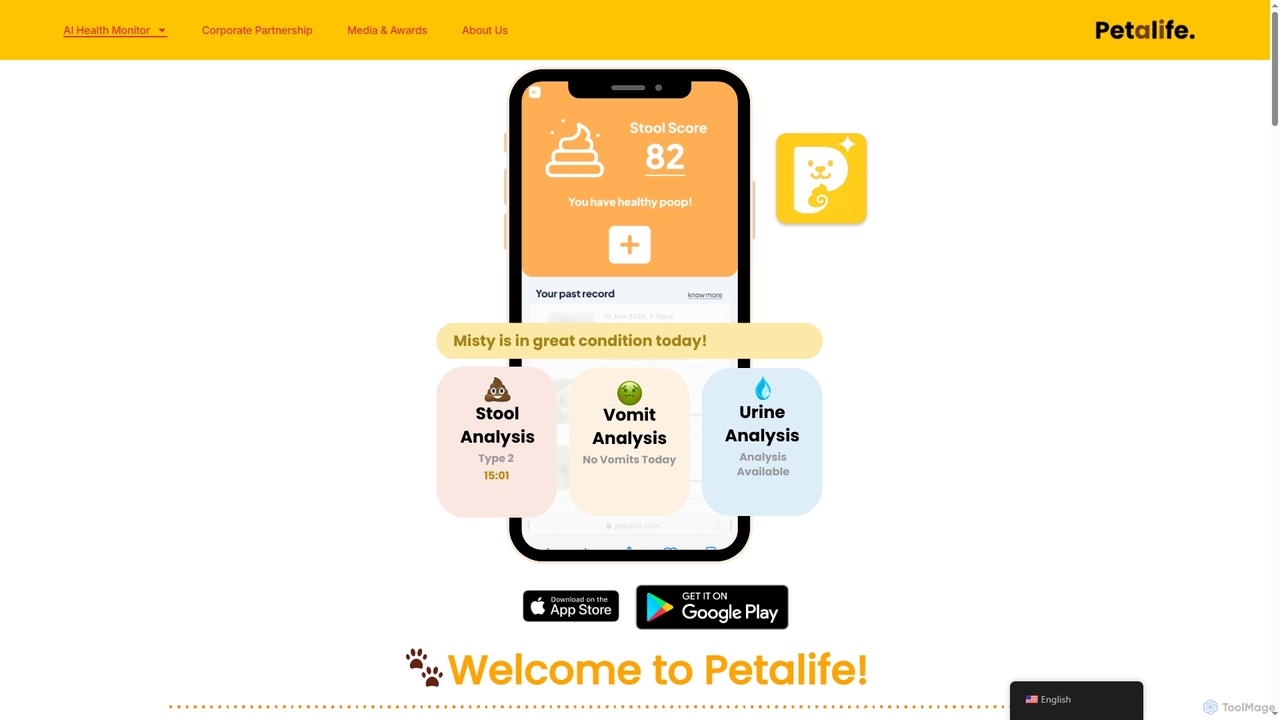
An AI-powered pet health monitoring system that uses your phone's camera to analyze stool, urine, and vomit. It …

3.5K
pawmenow

pawmenow

pawmenow is an AI-powered pet care assistant designed for modern pet owners. It provides an instant symptom checker …

3.2K
TTcare

TTcare

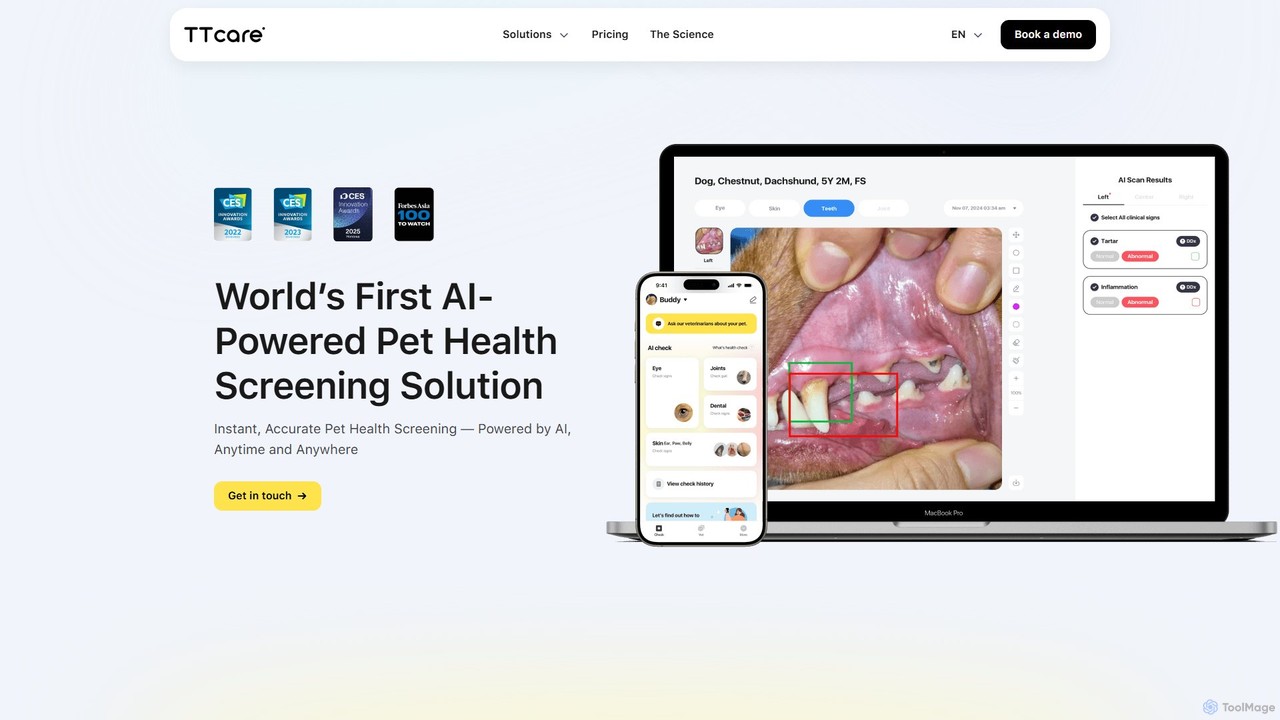
TTcare is an AI-powered pet health screening solution that allows pet owners and veterinarians to detect early signs …

3.2K

About Pet Care

Pet Care AI tools are a specialized subset within the broader Health AI category, leveraging artificial intelligence to enhance the well-being and management of companion animals. These tools utilize advanced algorithms, machine learning, and data analytics to monitor pet health, analyze behavior, optimize nutrition, and provide personalized care recommendations. They empower pet owners, veterinarians, and animal care professionals with data-driven insights, enabling proactive health management, early detection of issues, and improved quality of life for pets.

Core Features

  • Health Monitoring: Real-time tracking of vital signs, activity levels, sleep patterns, and weight using smart devices.
  • Behavioral Analysis: AI-powered interpretation of pet sounds, movements, and interactions to identify stress, anxiety, or unusual patterns.
  • Personalized Nutrition Planning: Tailoring diet recommendations based on breed, age, weight, activity level, and specific health conditions.
  • Predictive Diagnostics: Analyzing collected data to identify potential health issues or risks before symptoms become severe.
  • Remote Veterinary Support: Facilitating virtual consultations, symptom assessment, and communication with veterinary professionals.

Use Cases

Pet Care AI tools are invaluable for pet owners seeking to provide optimal care, veterinarians aiming for more precise diagnostics, and pet service providers enhancing their offerings. They are used for continuous health surveillance of aging pets, managing chronic conditions with data-backed insights, and understanding complex behavioral cues to improve training and welfare.

How to Choose

When selecting an AI Pet Care tool, consider the accuracy and reliability of its data collection and analysis, the range of features relevant to your pet's needs (e.g., specific health monitoring vs. behavioral insights), ease of integration with existing pet devices or veterinary systems, and the clarity of its privacy policy regarding sensitive pet data. Evaluate user-friendliness, customer support, and the scientific backing of its recommendations.

Pet CareUse Cases

1

Proactive Health Monitoring for Senior Pets

Pet owners with aging dogs or cats can utilize AI-powered collars or smart home cameras to continuously monitor their pet's activity levels, sleep patterns, and subtle changes in behavior. The AI analyzes this data to detect early signs of common age-related conditions like arthritis, cognitive dysfunction, or heart issues, alerting owners to consult a vet before symptoms escalate, ensuring timely intervention and better outcomes.

2

Personalized Diet and Nutrition Planning

For pets with specific dietary needs, allergies, or weight management goals, AI tools can analyze their breed, age, weight, activity level, and existing health conditions. Based on this comprehensive profile, the AI generates personalized meal plans, recommends appropriate food types, and calculates precise portion sizes, helping owners maintain their pet's ideal weight and address nutritional deficiencies effectively.

3

Identifying and Managing Pet Behavioral Issues

Pet owners struggling with behavioral challenges such as separation anxiety, excessive barking, or aggression can use AI-enabled cameras and audio analysis. The AI monitors and interprets pet vocalizations and body language, identifying triggers and patterns. This data provides objective insights, helping owners and professional trainers develop targeted strategies to modify unwanted behaviors and improve the pet's emotional well-being.

4

Supporting Remote Veterinary Diagnostics

Veterinarians can leverage AI Pet Care tools to enhance remote consultations and preliminary diagnostics. Owners can upload data from smart devices (e.g., temperature, heart rate, activity logs) or videos of symptoms. The AI can help analyze this information, flag potential concerns, and provide a structured overview, allowing vets to make more informed decisions for follow-up care, whether in-person or virtual.

5

Optimizing Smart Pet Feeder and Litter Box Usage

AI integrated with smart pet feeders can learn a pet's eating habits, adjust feeding schedules, and monitor food intake, preventing overfeeding or underfeeding. Similarly, AI-powered litter boxes can track waste output, frequency, and consistency. Any deviations from normal patterns are flagged by the AI, providing early warnings for potential urinary tract infections, digestive issues, or other health concerns.

6

Assisting in Lost Pet Recovery

In the unfortunate event of a lost pet, AI tools can assist in recovery efforts. Some systems use AI-powered facial recognition to scan databases of found animals or social media posts, matching them with registered pet profiles. GPS trackers combined with AI can analyze movement patterns and common routes, helping owners narrow down search areas and increase the chances of a safe reunion.

Pet CareFrequently Asked Questions