nuraaihealthscreening
Nura provides advanced AI-powered health screening services in India. Utilizing ultra-low-dose CT scans and AI-enhanced image analysis, Nura …
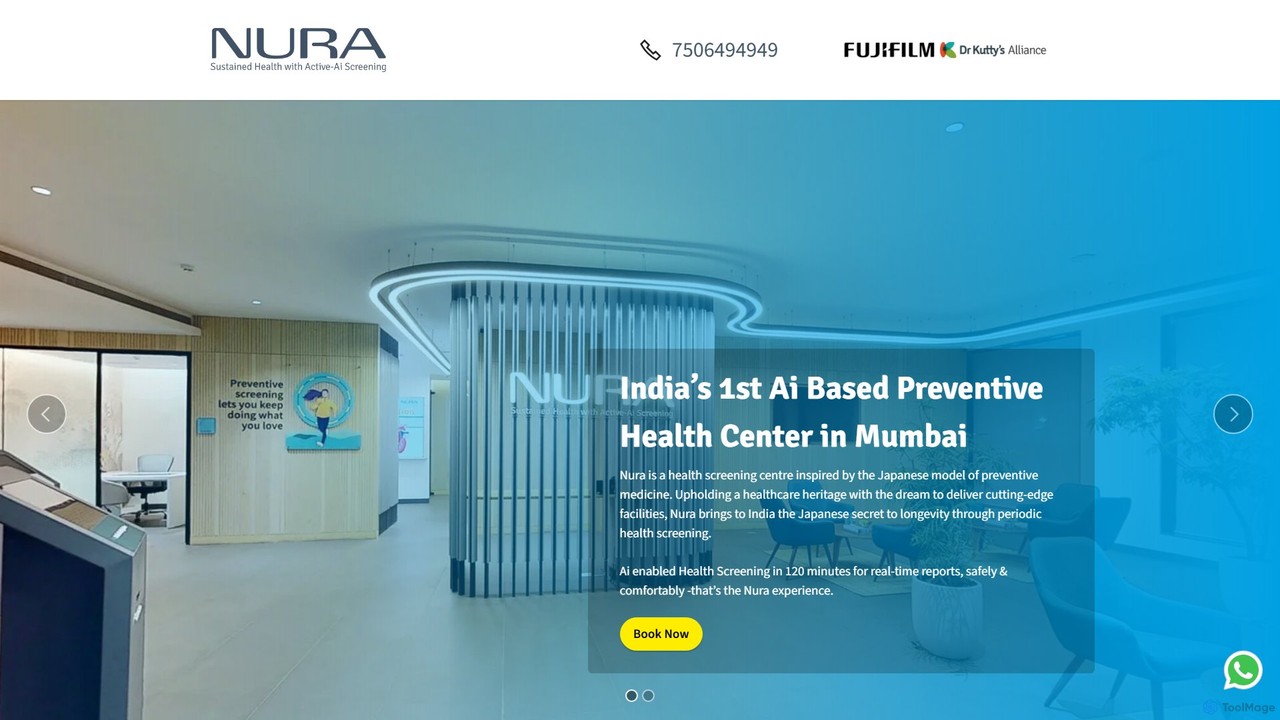
Nura provides advanced AI-powered health screening services in India. Utilizing ultra-low-dose CT scans and AI-enhanced image analysis, Nura offers comprehensive, rapid, and safe detection of early-stage cancers, heart conditions, and lifestyle diseases. The entire process, from screening to a doctor's consultation, is completed within 120 minutes, focusing on preventive care and early diagnosis with minimal radiation exposure.
About Preventive Care
Preventive Care AI tools are a category of artificial intelligence applications designed to proactively monitor health, predict disease risks, and recommend personalized interventions to prevent illness or manage chronic conditions. Leveraging advanced machine learning and predictive analytics, these tools analyze diverse health data, including biometrics, lifestyle choices, and medical history. They empower individuals and healthcare providers to make informed decisions, fostering a proactive approach to well-being and significantly contributing to overall health management.
Core Features
- Risk Assessment & Prediction: Identifies individual predispositions to diseases like diabetes or cardiovascular issues based on comprehensive data analysis.
- Personalized Health Coaching: Offers tailored recommendations for diet, exercise, sleep, and stress management to optimize health outcomes.
- Early Disease Detection: Analyzes symptoms, biometric data from wearables, or medical records for subtle signs of emerging health problems.
- Chronic Condition Monitoring: Tracks vital signs, medication adherence, and provides alerts for managing existing chronic conditions effectively.
- Screening & Vaccination Reminders: Automates personalized schedules for essential preventive screenings and immunizations.
Applicable Scenarios
These tools are invaluable for individuals seeking to take charge of their health, healthcare professionals aiming to enhance patient care, and organizations implementing wellness programs. They are used in personal health management, clinical risk stratification, corporate wellness initiatives, and public health campaigns to improve population health outcomes.
How to Choose
When selecting a Preventive Care AI tool, prioritize data privacy and security, ensuring compliance with health regulations. Evaluate the accuracy and clinical validation of its predictive models, and consider its integration capabilities with existing health devices or electronic health records. Finally, assess the level of personalization and the clarity of its health recommendations for effective user engagement.

Preventive CareUse Cases
Personalized Chronic Disease Risk Assessment
Individuals concerned about their long-term health can utilize AI tools to analyze their genetic predispositions, family medical history, and current lifestyle data. The AI generates a comprehensive risk profile for conditions such as type 2 diabetes or heart disease, providing personalized insights and actionable recommendations for early prevention, empowering users to modify habits before issues arise.
AI-Powered Daily Lifestyle Coaching
Users wearing smart devices can connect to AI preventive care platforms that continuously monitor their activity levels, sleep patterns, and heart rate. The AI processes this real-time biometric data to offer dynamic, personalized coaching on nutrition, exercise routines, and stress reduction techniques, helping to cultivate healthier habits and prevent lifestyle-related illnesses effectively.
Early Detection of Mental Well-being Changes
AI tools can analyze subtle shifts in user-generated data, such as communication patterns, sleep quality, or mood tracking entries, to identify early indicators of stress, anxiety, or potential mental health deterioration. This proactive monitoring allows for timely alerts and suggestions for self-care strategies or prompts users to seek professional support, preventing escalation of mental health issues.
Optimizing Corporate Employee Wellness Programs
Companies implement AI-driven platforms to manage and personalize their employee wellness initiatives. The AI assesses individual employee health profiles and preferences to recommend tailored fitness challenges, nutritional guidance, and stress management resources. This leads to higher employee engagement in wellness activities, improved overall health, and potentially reduced healthcare costs for the organization.
Predictive Analytics for Hospital Readmission Prevention
Healthcare providers leverage AI to analyze patient data post-discharge, including medical history, social determinants of health, and adherence to treatment plans. The AI identifies patients at high risk of hospital readmission, allowing care teams to implement targeted follow-up interventions, such as home visits, medication reminders, or telehealth consultations, significantly improving patient recovery and reducing readmission rates.
Automated Personalized Vaccination & Screening Reminders
Public health systems or individual clinics use AI to manage patient immunization and screening schedules. Based on age, medical history, and local health guidelines, the AI automatically sends personalized reminders for essential vaccinations (e.g., flu shots, HPV) and preventive screenings (e.g., mammograms, colonoscopies), ensuring patients stay up-to-date and improving public health compliance.