Health Best in category 3 results Veterinary AI Tool

Popular AI tools in the Veterinary field of Health include Petcube、Dr.Tail、Ruru, etc., helping you quickly improve efficiency.

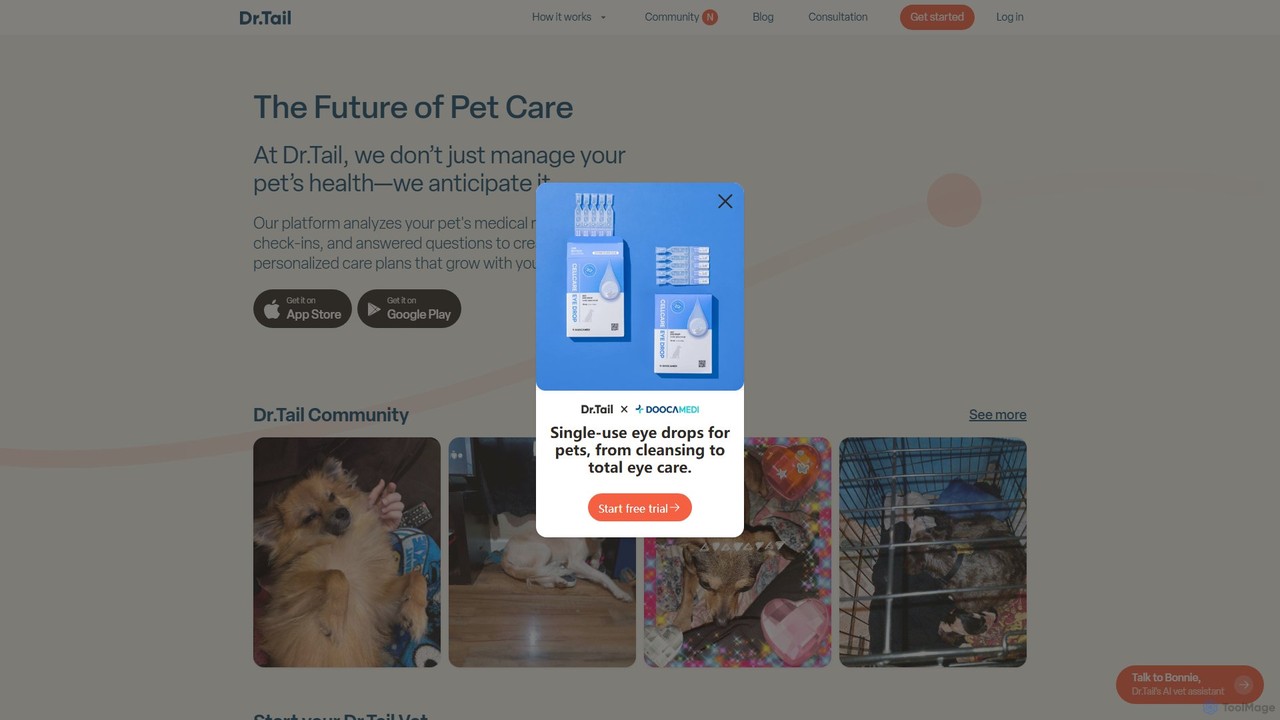
Dr.Tail

Dr.Tail

Dr.Tail is an AI-powered pet care app providing 24/7 veterinary assistance and personalized health management. It analyzes your …

16.3K
Ruru

Ruru

Ruru is an AI-powered chat assistant designed for pet owners. Get instant, 24/7 answers to all your questions …

3.0K
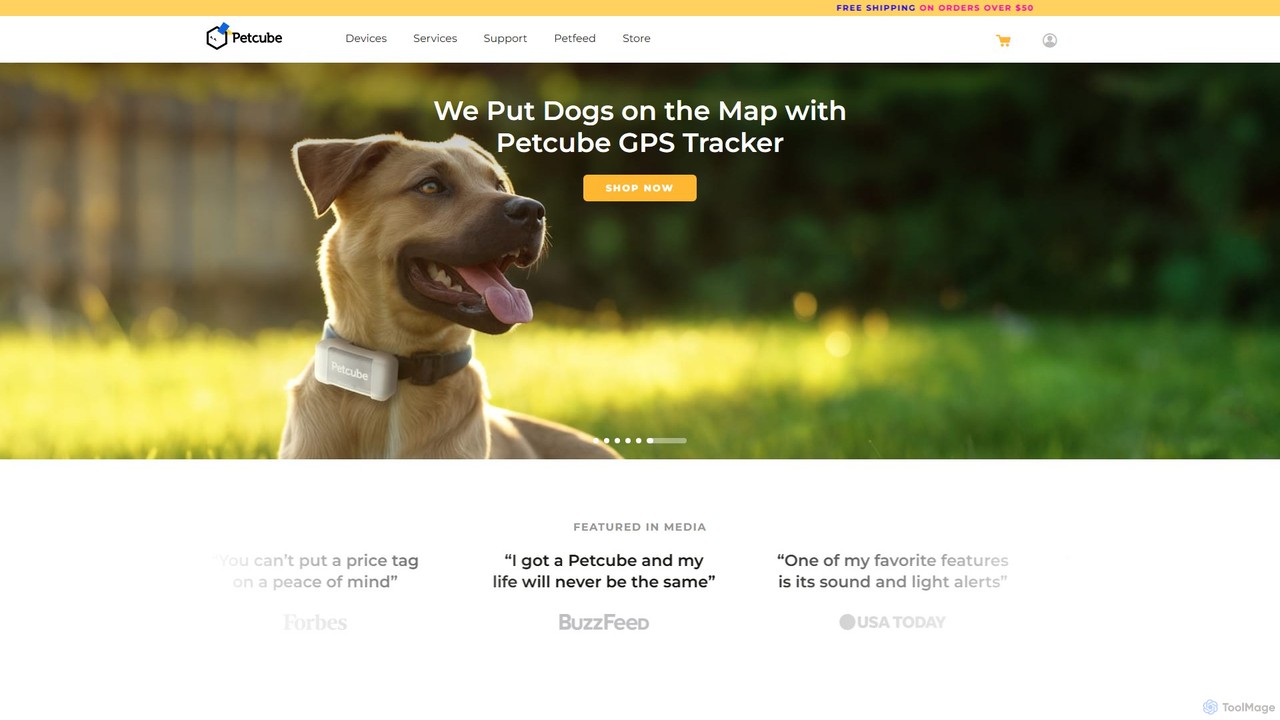
Petcube

Petcube

Petcube offers a suite of smart pet products, including AI-powered interactive cameras, GPS trackers, and smart fountains. It …

122.8K

About Veterinary

AI Veterinary tools are specialized software that apply artificial intelligence to animal healthcare, diagnostics, and practice management. Leveraging machine learning models trained on vast datasets of veterinary medical information, these tools analyze complex data such as medical images, lab results, and patient records. Their primary value lies in enhancing diagnostic accuracy, personalizing treatment plans, and automating administrative tasks, ultimately improving the quality of care for animals. This technology acts as a powerful assistant to veterinarians, providing data-driven insights for more informed decision-making.

Core Features

  • Diagnostic Imaging Analysis: Automatically detects anomalies in X-rays, ultrasounds, and CT scans to assist in diagnosing conditions like fractures or tumors.
  • Predictive Health Analytics: Analyzes health records and real-time data from wearables to forecast disease risks in individual animals or entire herds.
  • Practice Management Automation: Streamlines appointment scheduling, client communication, and medical record-keeping within a veterinary clinic.
  • Treatment Recommendation Support: Suggests potential treatment protocols based on diagnostic data, species, medical history, and established guidelines.

Use Cases

These tools are used across various veterinary settings, from small companion animal clinics and large livestock farms to specialized pathology labs and research institutions. For instance, a general practitioner can use AI for faster radiograph interpretation, while a farm manager can monitor herd health to prevent disease outbreaks, improving both animal welfare and economic outcomes.

How to Choose

When selecting an AI Veterinary tool, consider its specific application (e.g., diagnostics, management), its integration capabilities with your existing Practice Information Management System (PIMS), the clinical validation and accuracy of its algorithms, and its compliance with data privacy regulations for client and patient information. Also, evaluate the user interface for ease of use within a busy clinical workflow.

VeterinaryUse Cases

1

Accelerate Radiograph Analysis in Clinics

A veterinarian at a small animal clinic is faced with a high volume of X-ray cases daily. By using an AI Veterinary tool, they can upload a canine chest radiograph and receive an initial analysis within minutes. The AI highlights potential areas of concern, such as signs of cardiomegaly or pulmonary nodules, and provides measurements. This doesn't replace the veterinarian's final diagnosis but acts as a second opinion, significantly speeding up the review process and allowing them to focus on complex cases and client communication, improving overall clinic efficiency.

2

Proactive Herd Health Monitoring on Farms

A dairy farm manager needs to maintain the health of hundreds of cattle to ensure productivity and animal welfare. An AI Veterinary system, connected to sensors on the animals, continuously monitors data like body temperature, movement patterns, and rumination time. The AI algorithm identifies subtle changes that are early indicators of diseases like mastitis or lameness, often before visible symptoms appear. The manager receives an alert on their device, allowing for early intervention and isolation of the affected animal, which reduces treatment costs and prevents the spread of disease throughout the herd.

3

Automate Client Communication and Reminders

A busy veterinary reception desk struggles with managing appointments and ensuring clients adhere to vaccination schedules and follow-up visits. An AI-powered practice management tool automates this process. It sends personalized SMS or email reminders for upcoming appointments, vaccination due dates, and medication refills. It can also handle basic queries through a chatbot on the clinic's website, answering questions about opening hours or pre-visit instructions. This frees up reception staff to handle in-person clients and emergencies, reducing phone call volume and minimizing no-shows.

4

Assist in Veterinary Pathology Slide Analysis

A veterinary pathologist examines hundreds of tissue slides under a microscope, a time-consuming and repetitive task prone to fatigue. An AI pathology tool can pre-screen digitized slides of tissue biopsies. The AI algorithm, trained on thousands of annotated images, identifies and flags suspicious regions, such as clusters of neoplastic cells. The pathologist can then focus their expert review on these highlighted areas, improving diagnostic workflow efficiency and potentially increasing the detection rate of subtle abnormalities. This allows for faster turnaround times for biopsy results, which is critical for timely treatment planning.

5

Create Personalized Pet Nutrition Plans

A pet owner wants to provide the best possible diet for their dog, which has specific health needs like allergies and a tendency to gain weight. Instead of generic advice, a veterinarian uses an AI nutrition tool. They input the dog's breed, age, weight, activity level, and known health conditions. The AI analyzes this data against a vast database of nutritional science and pet food ingredients to generate a customized daily feeding plan. The plan includes specific food recommendations, portion sizes, and even suggests supplements, helping the owner manage their pet's health proactively through diet.

6

Streamline Veterinary Drug Discovery Research

Researchers in a veterinary pharmaceutical company are searching for a new compound to treat a common parasitic infection in livestock. Using an AI drug discovery platform, they can analyze massive genomic and proteomic datasets of the parasite. The AI model predicts which molecular compounds are most likely to be effective against the parasite's key proteins while having minimal side effects on the host animal. This significantly narrows down the number of candidates for physical lab testing, saving millions in research costs and accelerating the development timeline for new, more effective veterinary medicines.

VeterinaryFrequently Asked Questions