ToolMage
Sign in

Best 2 Dental Practice Management AI tools for Healthcare

Popular Dental Practice Management AI tools in Healthcare include DentalAI Assist and Inventooth, helping you work more efficiently.

Inventooth
Paid

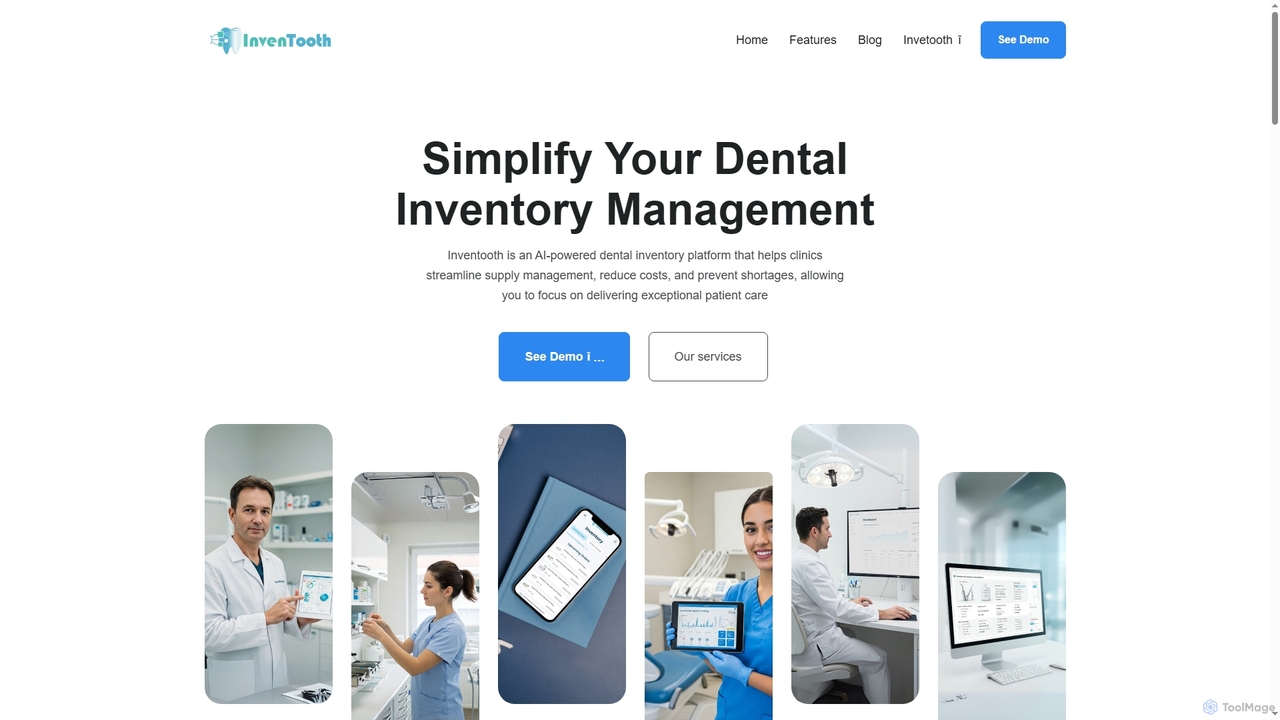
Inventooth

Inventooth is an AI-powered dental inventory platform designed to streamline supply management for dental clinics. It helps reduce costs, prevent shortages, and automate ordering processes, allowing practitioners to focus on patient care. The platform offers intelligent tracking, predictive analytics, and real-time supplier comparisons to optimize inventory operations.

Dental Practice Management
Visits 5.9KFavorites 125Likes 125
DentalAI Assist
Paid

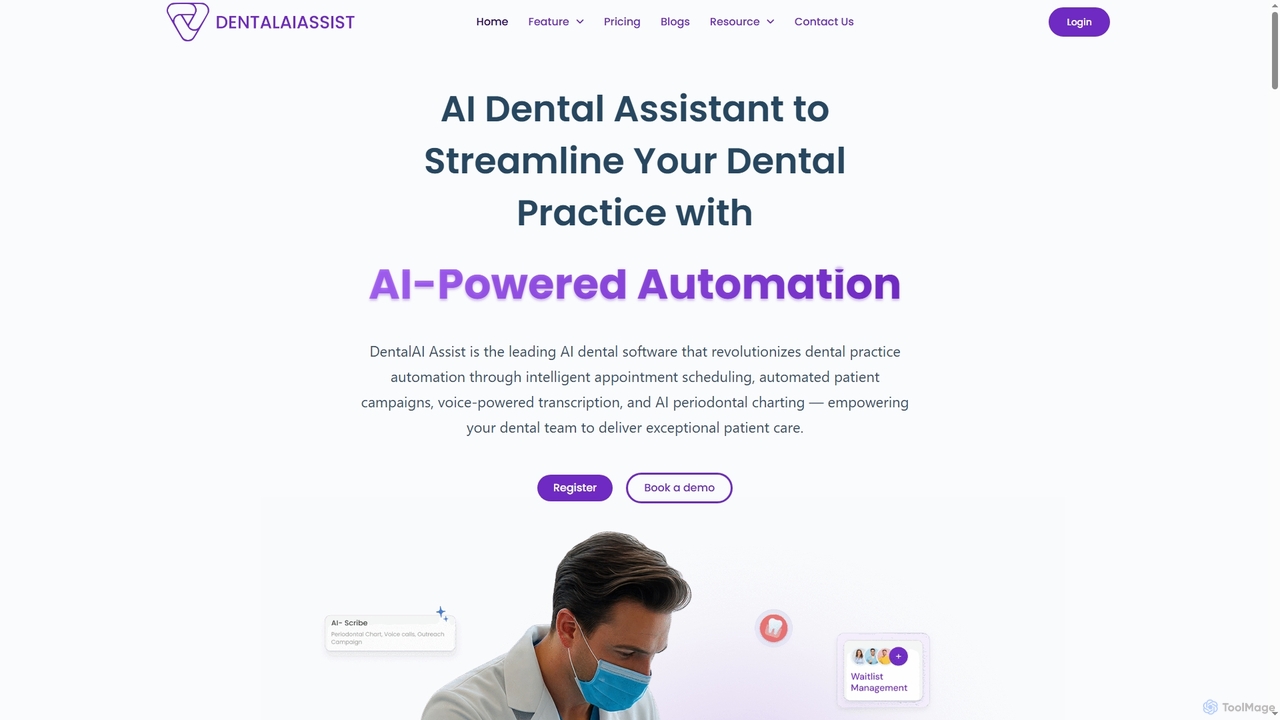
DentalAI Assist

DentalAI Assist is an AI-powered dental software designed to automate and streamline dental practice operations. It offers intelligent appointment scheduling, automated patient outreach campaigns, voice-activated clinical documentation including periodontal charting, and seamless integration with Practice Management Software, empowering dental teams to enhance patient care and reduce administrative burdens.

Appointment Scheduling
Visits 8.4KFavorites 126Likes 110

About Dental Practice Management

Dental Practice Management AI tools are specialized software solutions designed to streamline and optimize the administrative, operational, and clinical workflows within dental clinics. Leveraging artificial intelligence, these tools automate routine tasks, enhance patient engagement, and provide data-driven insights to improve overall clinic efficiency and patient care. They integrate various aspects of practice operations, from scheduling and billing to patient communication and treatment planning support, enabling dental professionals to focus more on clinical excellence.

Core Features

  • Automated Scheduling & Reminders: AI-powered systems manage appointments, reduce no-shows with smart reminders, and optimize clinic schedules.
  • Patient Record Management: Securely store and organize patient data, including medical history, treatment plans, and imaging, with easy access and AI-assisted data entry.
  • Billing & Insurance Processing: Automate claims submission, payment processing, and insurance verification, minimizing errors and accelerating revenue cycles.
  • Treatment Planning Support: AI algorithms assist dentists in analyzing patient data, suggesting personalized treatment options, and predicting outcomes.
  • Inventory & Supply Management: Track dental supplies, automate reordering, and manage stock levels to prevent shortages and reduce waste.

Applicable Scenarios

These tools are indispensable for dental clinics of all sizes, from solo practices to multi-location groups, aiming to modernize their operations. They are used by front desk staff for efficient patient intake and scheduling, by office managers for financial oversight and compliance, and by dentists for enhanced clinical decision-making and patient communication. The integration of AI helps in creating a seamless patient journey and a more productive work environment.

How to Choose

When selecting a Dental Practice Management AI tool, consider its integration capabilities with existing EMR/EHR systems, compliance with healthcare regulations (e.g., HIPAA), the breadth of its features (e.g., patient portal, marketing tools), scalability for future growth, and user-friendliness for all staff. Evaluate the level of AI assistance offered, such as predictive analytics for patient flow or AI-driven insights for treatment efficacy, and ensure robust data security measures are in place.

Dental Practice Management use cases

1

Automating Patient Appointment Scheduling and Reminders

A dental office manager utilizes AI-powered scheduling to automatically book appointments based on dentist availability and patient preferences. The system sends personalized SMS and email reminders, significantly reducing no-show rates by up to 30%. This frees up receptionists' time, allowing them to focus on in-person patient care and other administrative tasks, leading to smoother daily operations and improved patient satisfaction.

2

Streamlining Patient Intake and Digital Form Completion

New patients receive digital intake forms via a secure portal before their visit. AI tools guide them through the process, pre-filling known information and flagging incomplete sections. This reduces wait times at the clinic, minimizes manual data entry errors for front desk staff, and ensures all necessary medical history and consent forms are accurately captured and integrated directly into the patient's digital record.

3

Optimizing Billing, Claims Submission, and Insurance Verification

A billing specialist uses AI to automate the complex process of submitting insurance claims and verifying patient eligibility. The system identifies potential coding errors before submission, accelerating claim approvals and reducing rejections. This leads to a faster revenue cycle, fewer administrative burdens, and improved financial health for the dental practice, ensuring accurate and timely payments.

4

AI-Assisted Treatment Planning and Patient Education

A dentist leverages AI algorithms to analyze a patient's diagnostic images, medical history, and oral health data to suggest optimal treatment plans. The AI can also generate visual aids and simplified explanations for patients, helping them better understand their conditions and proposed treatments. This enhances patient engagement, improves informed consent, and supports dentists in making precise, evidence-based clinical decisions.

5

Proactive Inventory Management for Dental Supplies

A dental assistant uses an AI-driven inventory system to monitor stock levels of consumables like gloves, masks, and dental materials in real-time. The AI predicts future usage based on appointment schedules and historical data, automatically generating reorder alerts or even placing orders with preferred suppliers. This prevents stockouts, reduces waste from expired products, and ensures the clinic always has necessary supplies on hand.

6

Personalized Patient Communication and Follow-up Campaigns

A marketing coordinator employs AI tools to segment patient lists based on treatment history, demographics, and last visit date. The AI then crafts and sends personalized follow-up messages, post-treatment care instructions, or recall reminders. This targeted communication strengthens patient relationships, encourages repeat visits, and promotes specific services, all while maintaining a professional and caring tone.

Dental Practice Management FAQ

What are Dental Practice Management AI tools?

Dental Practice Management AI tools are software solutions that integrate artificial intelligence to automate and optimize various administrative, operational, and clinical tasks within a dental clinic. They aim to enhance efficiency, improve patient experience, and provide data-driven insights for better decision-making, covering areas from scheduling to billing and patient communication.

How can AI improve efficiency in a dental clinic?

AI significantly boosts efficiency by automating repetitive tasks like appointment scheduling, reminders, and insurance verification, reducing manual workload. It also provides predictive analytics for patient flow, optimizes inventory, and assists in treatment planning, allowing staff to focus on patient care and complex tasks, ultimately streamlining operations and reducing costs.

What key features should I look for in dental practice management software?

Essential features include automated scheduling and reminders, comprehensive patient record management (EHR/EMR), efficient billing and insurance processing, and secure patient communication portals. Look for AI-driven insights for treatment planning, inventory management, and robust reporting capabilities. Integration with existing dental equipment and compliance with healthcare regulations are also crucial.

What's the difference between traditional dental software and AI-powered solutions?

Traditional dental software primarily digitizes existing manual processes, offering basic record-keeping, scheduling, and billing. AI-powered solutions go further by using machine learning to automate, predict, and optimize. They can learn from data to suggest treatment plans, predict no-shows, personalize patient communication, and provide deeper operational insights, offering proactive rather than reactive management.

Can AI tools help with patient engagement in dentistry?

Yes, AI tools greatly enhance patient engagement. They enable personalized communication through automated reminders, follow-up messages, and targeted educational content. AI can analyze patient preferences to tailor outreach, provide virtual assistants for common queries, and even assist in creating clear, understandable treatment explanations, fostering better patient understanding and loyalty.